Product Description
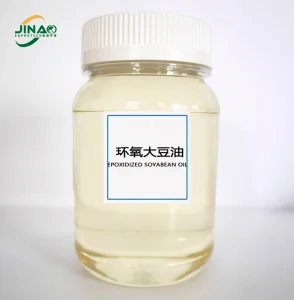
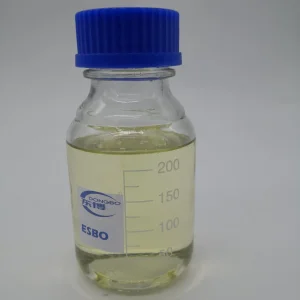
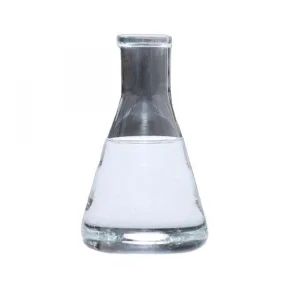
High-quality Various Viscosity Silicone Oil
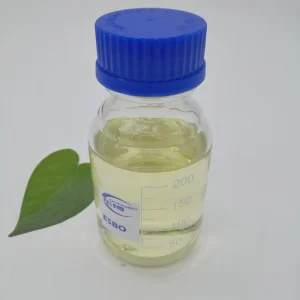
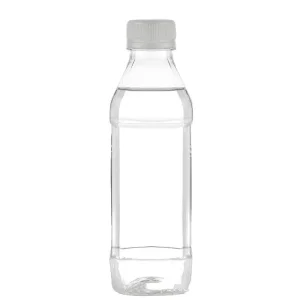
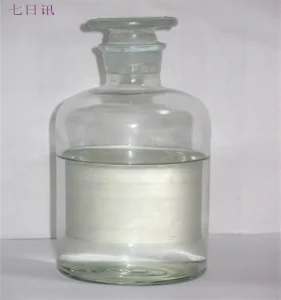
Silicone Oils are generally colorless transparent liquids. They exhibit excellent resistance to heat, cold, and moisture. There is also little viscosity change in silicone oils over a wide temperature range, and they have outstanding electrical properties. In addition, they are notable for their characteristics of mold-releasability, water repellency, lubricity, and defoaming properties.
🛡️
Stable & Resistant
Silicones are particularly stable and exceptionally resistant to influences such as heat and electromagnetic radiation.
🔥
Heat Resistance
Silicone fluids have outstanding stability against thermal oxidation.
⚗️
Chemical Stability
Almost totally chemically inactive. Show almost no effects from alkali or acidic solutions at room temperature.
❄️
Cold Resistance
Withstand low temperatures well. Methylphenyl silicone fluid is formulated for low temperature applications.
⚙️
Non-corrosive
Silicone fluids have almost no adverse effects on metals and many other materials.
💧
Low Surface Tension
Much lower surface tension than water and other common synthetic oils.
Applications & Product Types
Silicone oils have a wide range of applications across the national economy: aviation, construction, electronics, textiles, automobiles, machinery, leather and paper, chemical light industry, metal and paint, medicine and medical treatment, etc.
| Category |
Type |
Specific Products |
| SILICONE OILS |
Straight Silicone Oil |
Dimethyl silicone oil |
| Methylphenyl silicone oil |
| Methylhydrogen silicone oil |
| SILICONE OILS |
Modified Silicone Oil |
Reactive silicone oil |
| Nonreactive silicone oil |
Frequently Asked Questions
1. What are the key properties of silicone oil?
Silicone oils are colorless transparent liquids known for their excellent resistance to heat, cold, and moisture. They feature low surface tension, outstanding electrical properties, and consistent viscosity across a wide temperature range.
2. Does the viscosity of silicone oil change with temperature?
Silicone oils are characterized by high viscosity stability, meaning there is very little change in viscosity even when subjected to extreme temperature fluctuations.
3. Is silicone oil chemically reactive?
Silicone fluids are almost totally chemically inactive. At room temperature, they are resistant to alkali solutions and acidic solutions, showing high chemical stability.
4. Can silicone oil be used on metal surfaces?
Yes, silicone fluids are non-corrosive and have almost no adverse effects on metals or most other industrial materials.
5. What industries typically use silicone oils?
They are widely used in aviation, construction, electronics, textiles, automotive, machinery, leather, paper, paint, and medical sectors.
6. What are the common packaging sizes available?
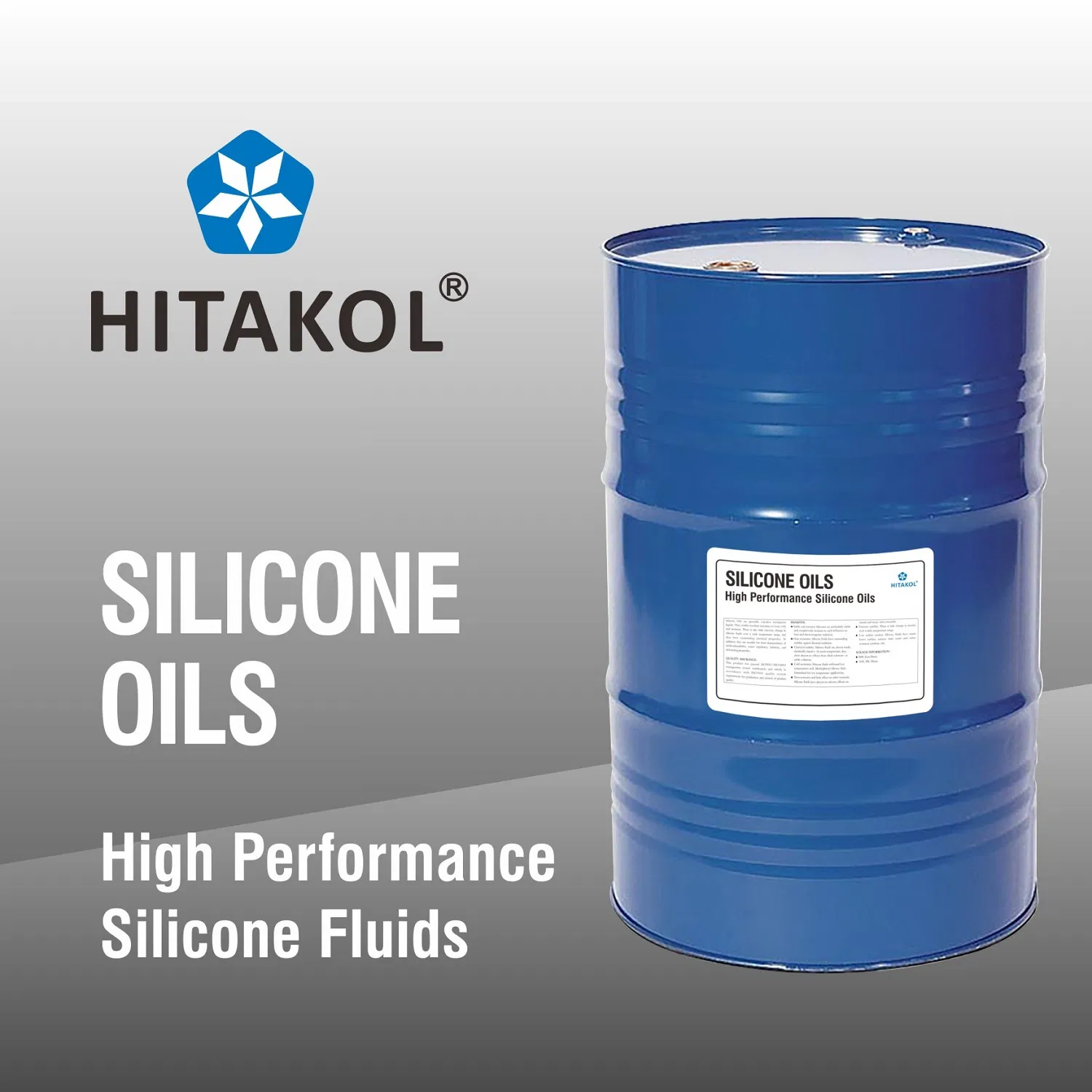
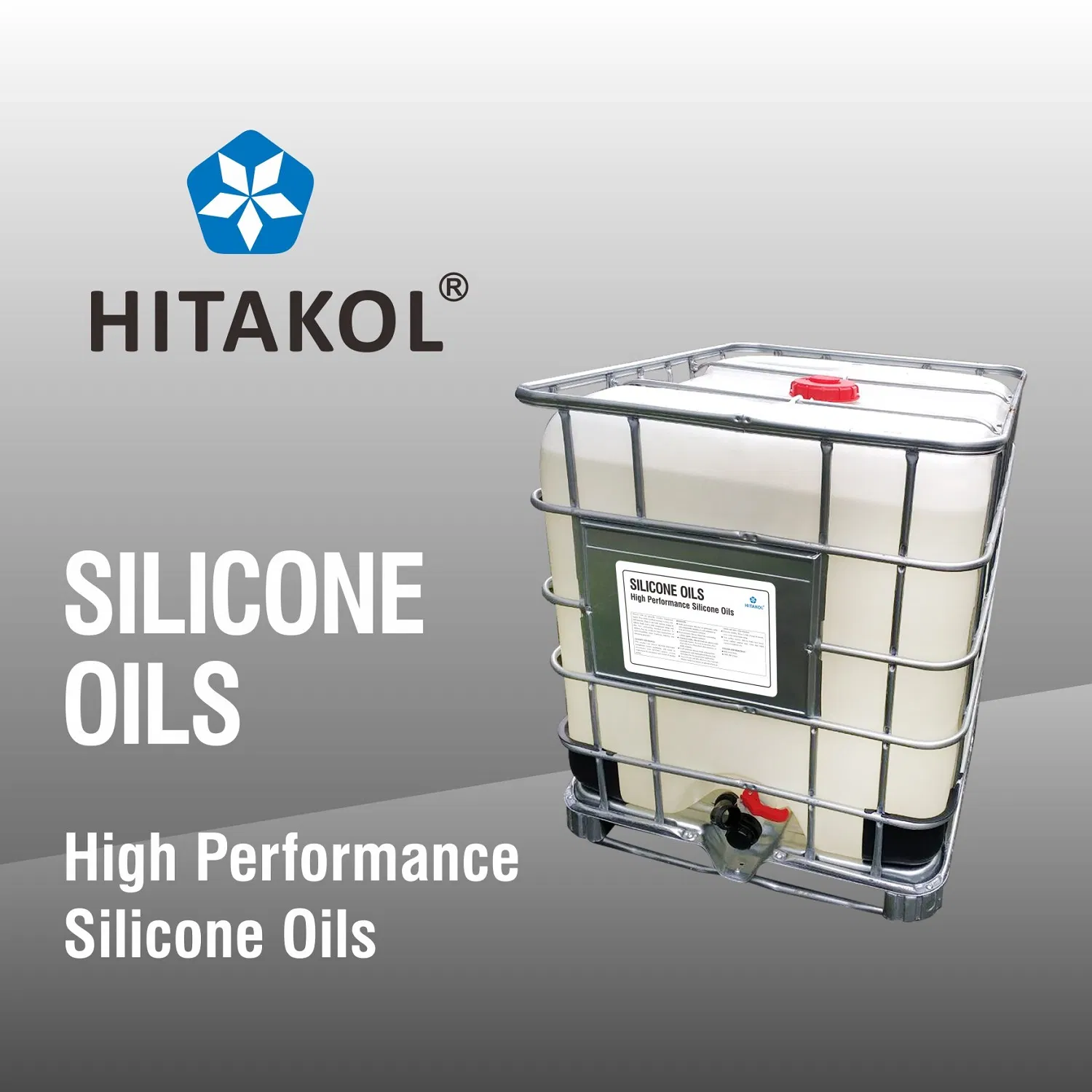
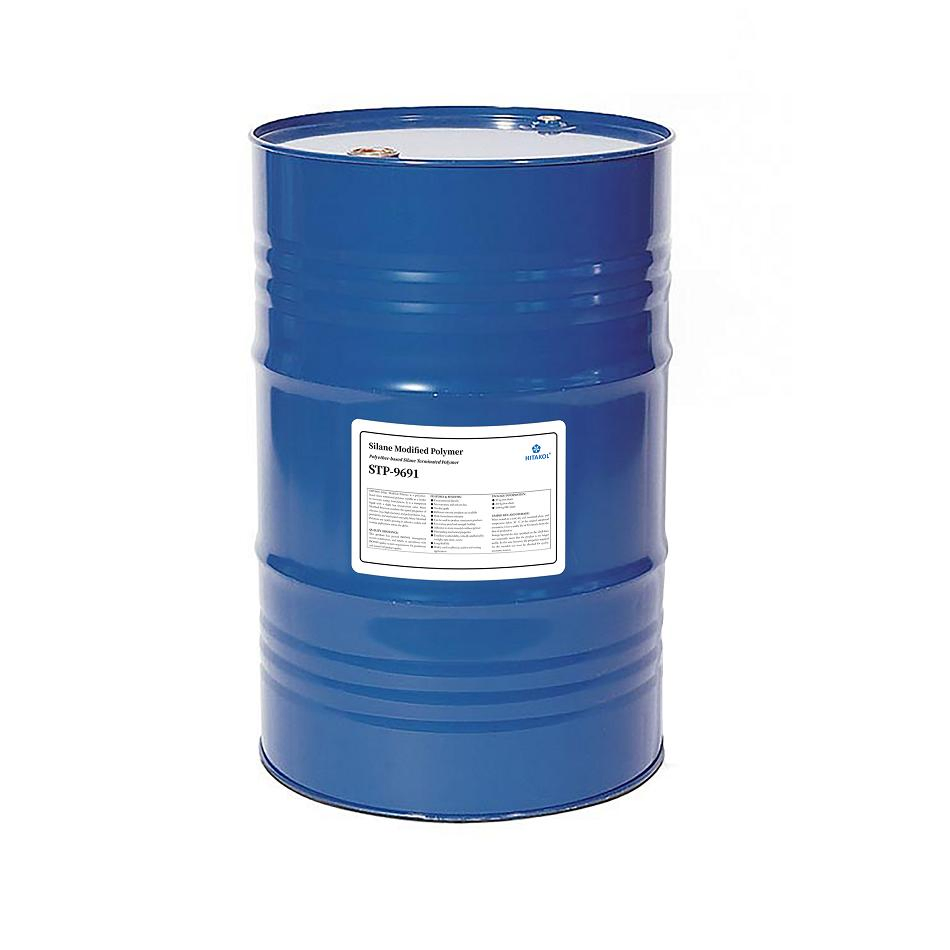
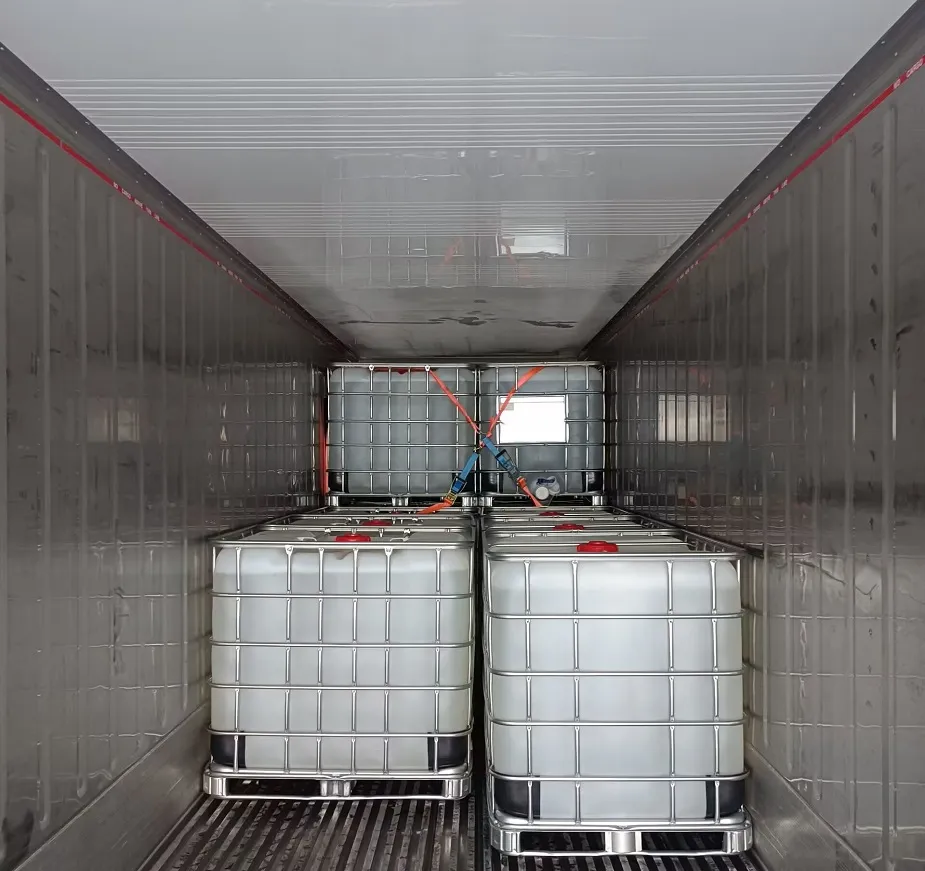
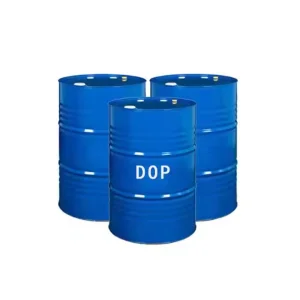
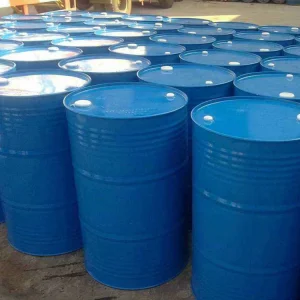
Standard packaging includes 190kg/200L Iron Drums and 950kg/1000L IBC Drums to accommodate different volume requirements.
 Rocket Packaging