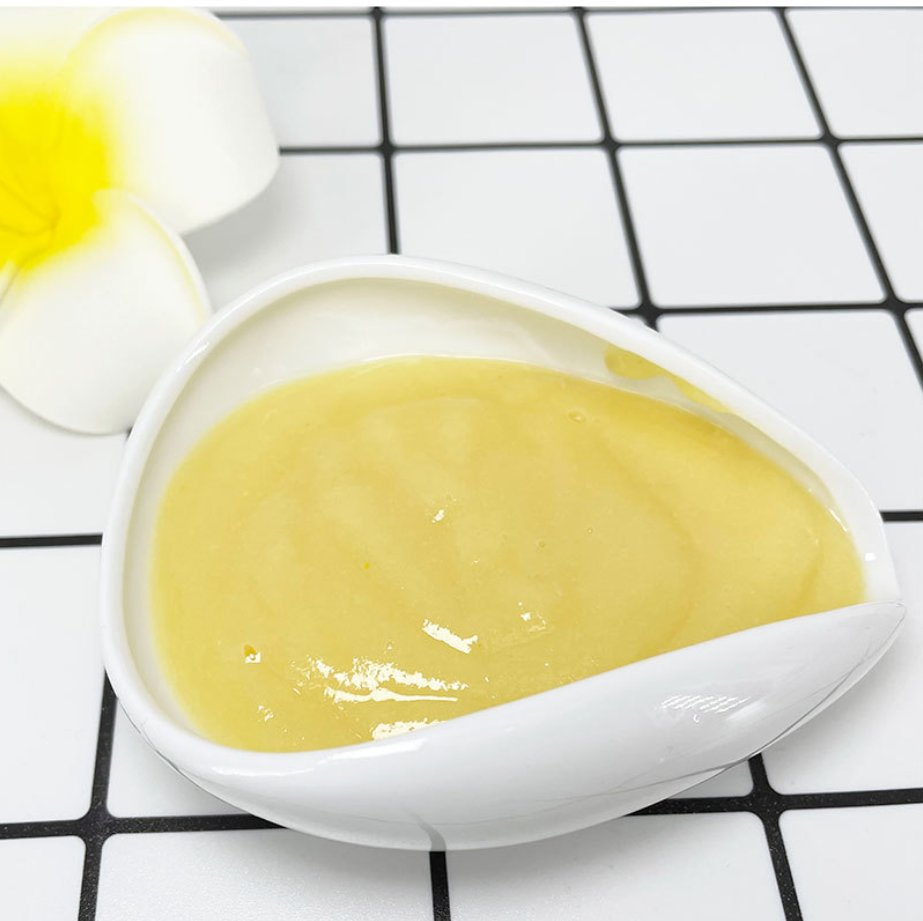
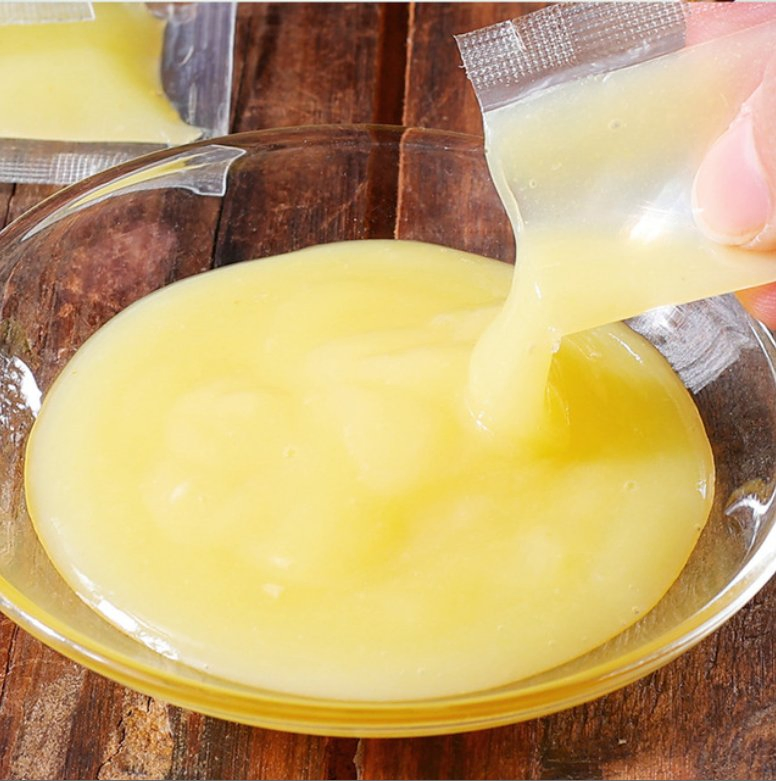
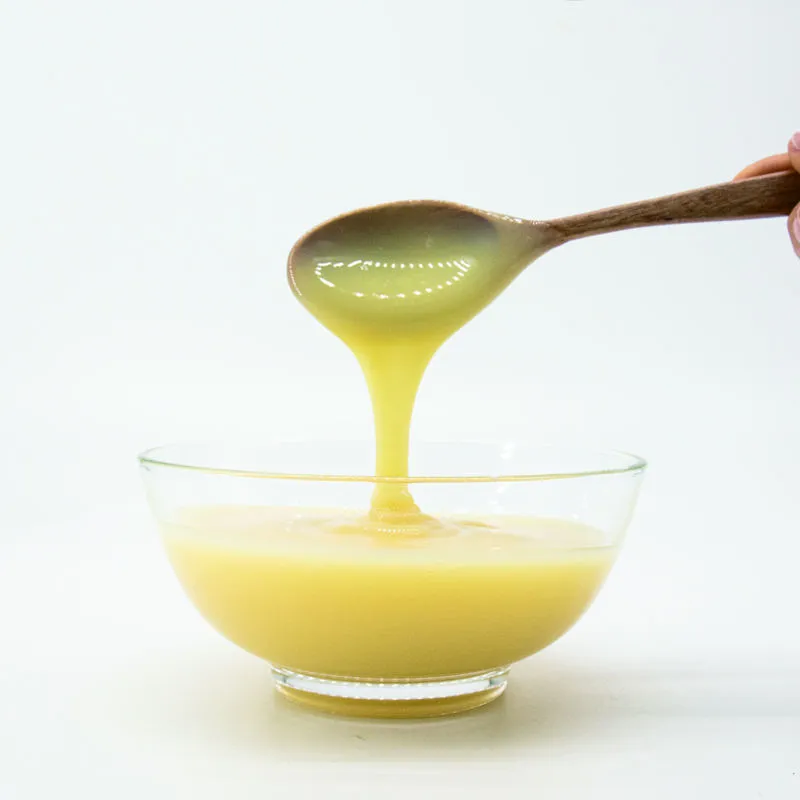
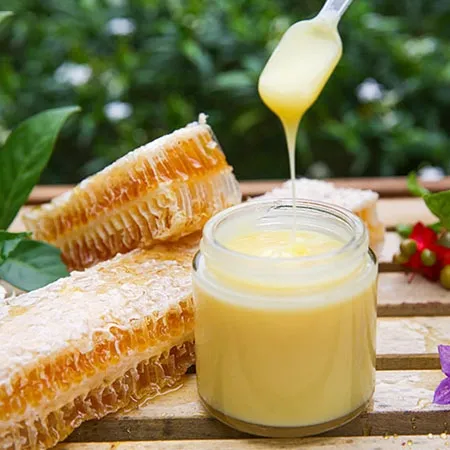
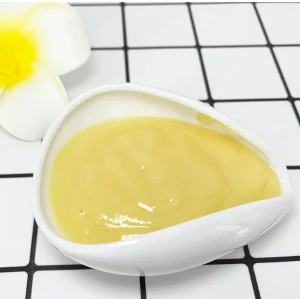
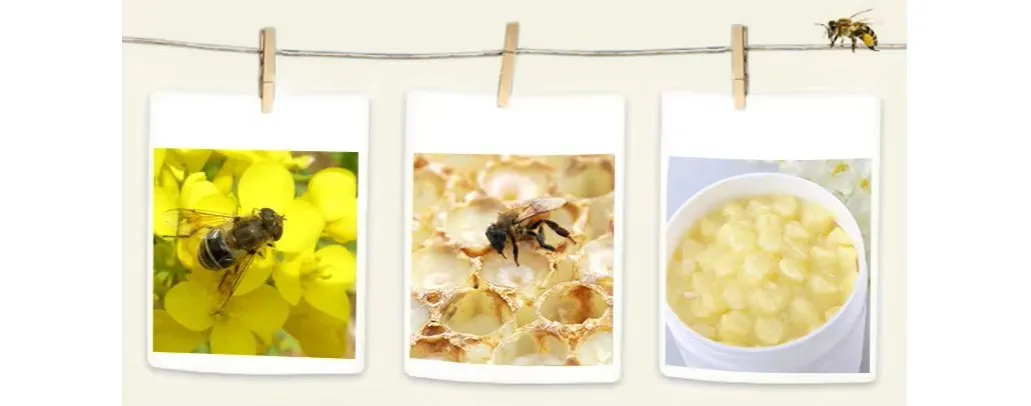
Royal Jelly is a complicated ingredient bee products. It contains protein, fatty acid, saccharides, vitamin A, vitamin B1, vitamin B2, folic acid, pantothenic acid and inositol. It contains a material that is like acetyl choline.
Royal Jelly chemical component is different because of different bees, age, seasons and staminate plant. Generally speaking, royal jelly contains water, raw protein, carbohydrate, lipid, minerals and some unsure materials.
?
Frequently Asked Questions
What is the primary benefit of 10-HDA in Royal Jelly?
10-HDA (10-Hydroxy-2-decenoic acid) is a unique fatty acid found only in royal jelly. it is often used as a marker for the freshness and quality of the product, supporting immune health.
How should fresh Royal Jelly be stored?
It should be stored in a cool, dry place. For long-term preservation of its bioactive compounds, keeping it in a refrigerator or freezer is highly recommended.
What is the shelf life of your Royal Jelly?
When stored properly under sealed conditions, our pure natural royal jelly has a shelf life of more than 12 months.
Does the composition of Royal Jelly vary by season?
Yes, the chemical components of royal jelly can fluctuate based on the bee species, age, harvesting season, and the specific plants the bees frequent.
What types of packaging are available for bulk orders?
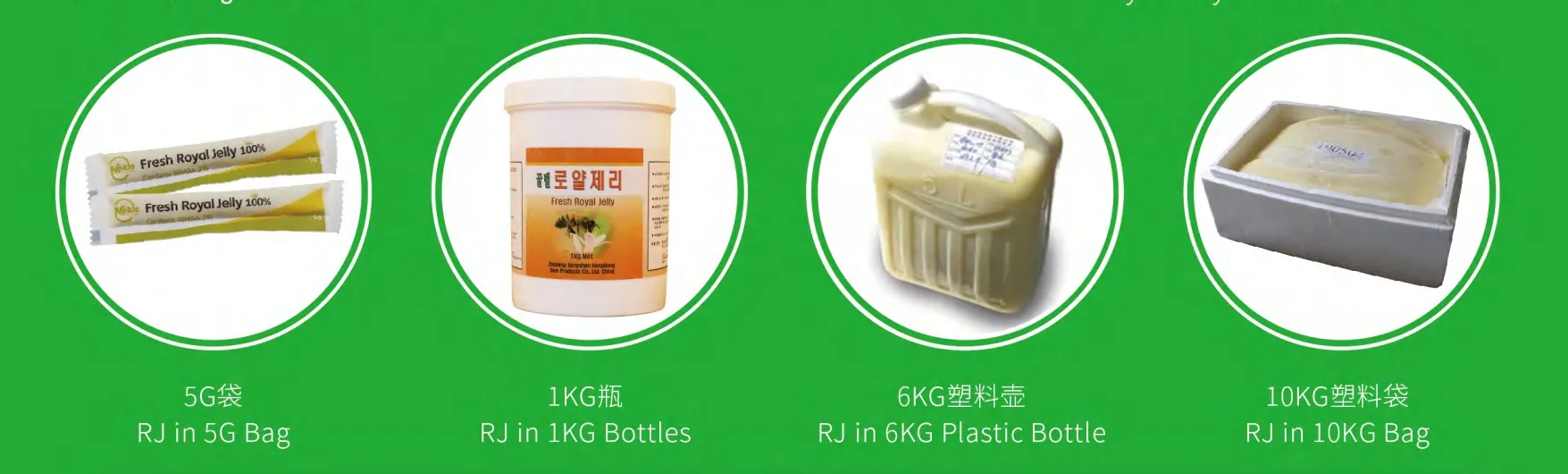
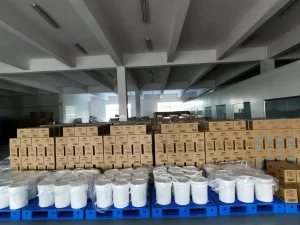
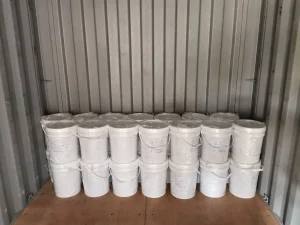
We offer various food-grade options including glass jars, food-grade plastic jars, and plastic pails to meet different shipping and storage requirements.
What is the moisture content of this product?
The moisture content of our fresh royal jelly typically ranges between 62.5% and 68%, ensuring a natural pasty consistency.
 Rocket Packaging