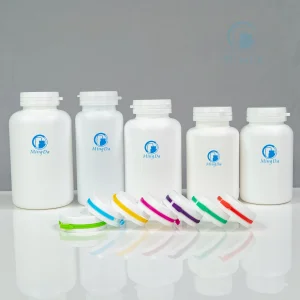
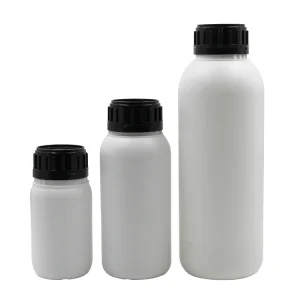
Engineered packaging units optimized for UV shielding, mechanical structural integrity, and aesthetic excellence.
In the global commercial packaging arena, choice of material isn't merely aesthetic—it is a functional chemical barrier. For highly sensitive compounds, active pharmaceutical ingredients (APIs), vitamins, cold-pressed oils, and premium cosmetics, light exposure triggers photodegradation. The introduction of opaque plastic bottles solves this critical challenge by filtering out destructive wavelengths in the UV spectrum (200nm to 400nm) and visible light band.
Opacity is achieved through the integration of pigment masterbatches—such as Titanium Dioxide (TiO2) for bright whites or Carbon Black for dense dark colors—directly into the polymer melt phase. These additives scatter or absorb photons, preventing them from interacting with photo-sensitive molecules within the bottle. Let's analyze how the primary polymer families compare in terms of barrier properties, density, and industrial target applications:
| Polymer Type | Common Acronym | UV Light Blockage Efficiency | Moisture/Oxygen Barrier Performance | Primary Industrial Use Case |
|---|---|---|---|---|
| High-Density Polyethylene | HDPE | Excellent (Highly crystalline, naturally translucent-to-opaque) | High Moisture Barrier / Medium Oxygen Barrier | Chemicals, agrochemicals, milk products, supplements |
| Polyethylene Terephthalate | PET | Outstanding (when combined with TiO₂ / amber dye) | Medium Moisture / High Oxygen Barrier | Beverages, personal care, pharmacy oils, cosmetic creams |
| Polypropylene | PP | Good (when colored) | Very High Moisture / Low-Medium Oxygen Barrier | Caps, closures, medical packaging, hot-fill food items |
| Recycled PET | rPET | Variable (Dependent on post-consumer feedstocks) | Corresponds to Virgin PET standards | Sustainable B2C packaging initiatives, ecofriendly cosmetics |
UV rays cause photo-oxidation, degrading essential vitamins and active ingredients. Opaque barriers act as total light shields, guaranteeing an extended shelf-life without the need for synthetic chemical preservatives.
By adjusting the density profile of materials like HDPE and adding barrier coatings or multi-layer co-extrusions, manufacturers minimize gas exchange, keeping oxygen out and freshness locked inside.
Industrial-grade opaque HDPE and thick-walled PET variants provide excellent structural rigidity, rendering them highly drop-resistant, puncture-proof, and suitable for harsh global transit.
Procurement teams are transitioning from purely cost-driven models to risk-mitigated, highly resilient, and circular packaging solutions.
The international market for rigid packaging is experiencing massive regulatory shifts. The European Union's PPWR (Packaging and Packaging Waste Regulation) and FDA regulations regarding food contact substances are forcing FMCG and pharmaceutical companies to re-evaluate their supply chains. Specifically, procurement strategies are now anchored in:
Opaque plastics are uniquely suited for high inclusion rates of Post-Consumer Recycled (PCR) polymers. Because PCR materials often display slight aesthetic discoloration or minor imperfections, clear bottles struggle to maintain quality visual standards. High-density opaque pigments cover these variations completely, letting brands use up to 100% rPET or rHDPE without sacrificing retail appeal.
Rising fuel costs and volatile ocean freight rates have turned "lightweighting" into a necessity. High-precision injection blow molding allows manufacturers to redistribute wall thickness, cutting overall plastic volume by 10% to 20% while preserving load-bearing strength. This translates directly to a lower carbon footprint and reduced per-unit shipping costs.
For agricultural pesticides, industrial solvents, and household cleaners, opaque co-extruded HDPE bottles are standard. Multi-layer structures featuring polyamide (PA) or ethylene vinyl alcohol (EVOH) barrier layers are integrated to prevent gas permeation, keeping container walls from collapsing or cracking under pressure.
Unlocking unparalleled manufacturing efficiency, high-volume consistency, and rapid production cycles through Taizhou's modern polymer ecosystem.
The core advantage of Chinese manufacturing has evolved from basic low labor costs to highly advanced, fully integrated packaging ecosystems. Zhejiang Province, specifically Taizhou City, has emerged as the global epicenter for precision mold-making, high-output extrusion machinery, and automated material handling.
With immediate proximity to major chemical refineries and massive logistics gateways like the Ningbo-Zhoushan Port, modern facilities eliminate domestic supply bottlenecks. Advanced automated feeding systems distribute raw resin directly to specialized injection blow molding lines, minimizing human intervention, maintaining pristine cleanliness, and preventing airborne contamination.
Furthermore, the localized density of downstream finishing capabilities—including high-speed UV silkscreen printing, precision hot stamping, and cleanroom assembly—enables a seamless transition from raw resin pellets to fully finished, shelf-ready containers under a single manufacturing license.

Established in 2018, Zhejiang Rocket Packaging Technology Co., Ltd. is a premier manufacturer specializing in the engineering, design, and mass production of premium PET and HDPE plastic bottles and jars. Located in the high-tech industrial manufacturing hub of Taizhou City, Zhejiang Province, our facility covers a built-up area of over 16,000 square meters.
Driven by a core commitment to "innovation, win-win relationships, integrity, and client-centric service," we provide global businesses with cost-effective, premium, and sustainable packaging solutions. We utilize two domestically leading, fully automatic feeding systems that power our advanced blow molding and injection machines. By implementing tight, ISO-standard quality controls, we ensure that every batch of containers meets strict global standards. Whether you require custom color matching, specialized sizes, or custom molds, our experienced engineering team is ready to assist you.
Learn More About UsHow industry-specific demands shape our manufacturing processes and custom polymer choices.

PET is a non-toxic plastic, which meets the safety requirements of food packaging. It will not react chemically with food to produce harmful substances, which can ensure the safety of food.

The mouth of PET plastic bottles can be closely matched with the bottle cap to ensure that the seasoning will not leak. For example, soy sauce, vinegar and other liquid seasonings, good sealing can prevent spillage during storage and transportation.

PET is a safe plastic material, which is non-toxic and harmless to the human body and meets the hygiene requirements of beverage packaging. In the process of contact with the drink, no harmful chemicals will be released.

High transparency: PET plastic bottles have good transparency, which can show the color and texture of cosmetics well. For essences and lotions, consumers can directly evaluate the product color, enhancing trust.
Crucial technical answers compiled by our packaging engineers to guide industrial purchasing managers.
Opacity is achieved by blending inorganic pigments like Titanium Dioxide (TiO₂) or carbon black into base resins like PET or HDPE. These pigments act as physical barriers that absorb and scatter photons across both UV and visible light spectra (specifically from 200nm to 400nm wavelengths). This blocks photodegradation, preserving the potency of vitamins, active pharmaceutical ingredients (APIs), essential oils, and organic food compounds.
Yes, opaque white and colored PET bottles are fully recyclable. However, sorting facilities separate them from clear PET to prevent contamination of clear recycled streams. Colored and opaque PET is typically processed into colored rPET flakes, which are used to manufacture strapping, fibers, or new opaque containers.
IBM is ideal for smaller, highly precise containers (like dropper bottles or cosmetic jars) requiring exact neck and thread finishes with zero flashing. EBM is better suited for larger, hollow containers (such as gallon jugs and agricultural pesticide cans) and supports complex geometries, handle integration, and multilayer co-extrusion for active gas barriers.
Absolutely. All our raw materials—PET, PP, and HDPE—are naturally BPA-free and certified food-contact safe by regulatory bodies like the FDA and EFSA. We generate batch-specific compliance certificates (COA) to guarantee chemical safety and trace raw materials back to their source.
Adding PCR plastic to clear containers can lead to yellow or grey shifts. However, opaque colored masterbatches completely mask these variations. By using advanced pigments, we can incorporate up to 100% rPET or rHDPE while maintaining color consistency (within narrow Delta E color space metrics).
Our standard mold engineering process takes 20 to 30 days, covering 3D design approvals, metal machining, and prototype sampling. Once samples are approved, mass production begins. Depending on order volume, production runs are typically completed within 15 to 25 days.
Every production batch undergoes vacuum decay testing to confirm seal integrity. We monitor thread dimensions using digital profile projectors. This ensures a secure, leak-proof fit with high-speed automated torque capping machines.
We recommend co-extruded HDPE bottles featuring a built-in barrier layer like Polyamide (PA) or Fluorinated polymers. This barrier resists solvent permeation, preventing product loss and keeping container walls from collapsing over time.
We maintain direct partnerships with leading polymer manufacturers and run a highly automated facility in Taizhou with an annual capacity exceeding 100 million units. This high-volume output lets us mitigate price fluctuations in raw resins and guarantee consistent delivery schedules.
We provide a wide range of decorative services, including multi-color silkscreen printing, precision hot stamping, pressure-sensitive labeling, matte/gloss surface coatings, and metallization. These allow you to turn high-performance barrier bottles into premium, retail-ready packaging.
Precision-engineered packaging components designed for pharmaceutical, domestic chemical, and high-end personal care markets.

 Rocket Packaging