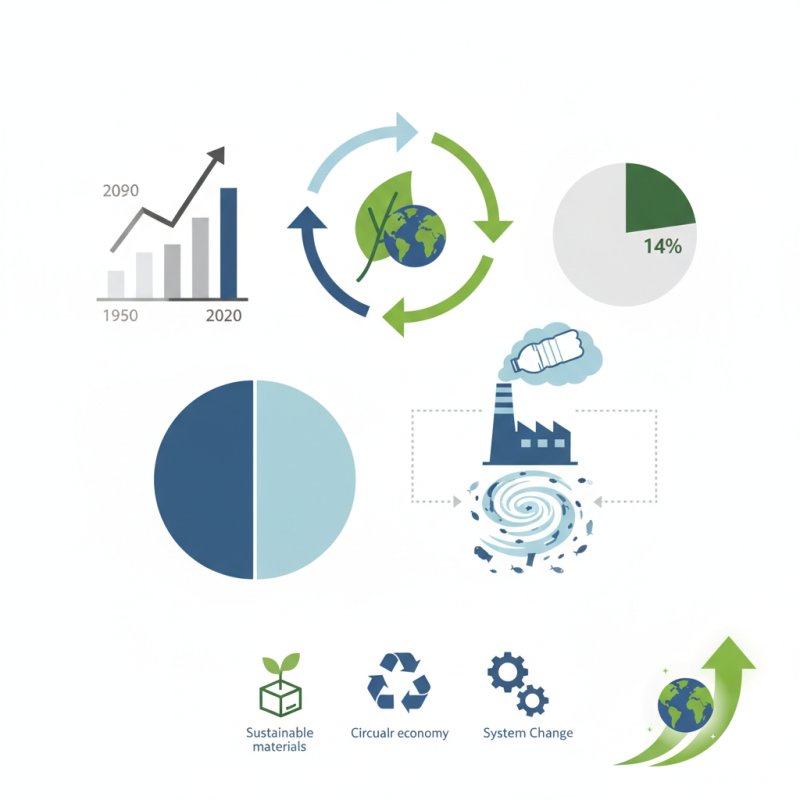
Plastic packaging has become a pervasive part of our daily lives. According to the Organization for Economic Cooperation and Development (OECD), global plastic production has increased from 2 million tons in 1950 to over 380 million tons in 2020. This dramatic growth has led to significant environmental challenges. To combat these issues, it is essential to explore strategies to reduce environmental impact of plastic packaging production.
Recent studies indicate that plastic packaging contributes approximately 40% of the total plastic waste. In addition, the Ellen MacArthur Foundation reports that only 14% of plastic packaging is collected for recycling. This stark statistic highlights the need for immediate action. By implementing effective practices, companies and consumers can make a meaningful difference. It is crucial to understand both the current reality and the potential solutions to mitigate this growing problem.
The quest to reduce reliance on plastic packaging is ongoing. Innovations in sustainable materials and circular economy approaches can help address the waste crisis. However, these solutions often require systemic changes and consumer adaptation. The journey towards significant improvement will not be perfect, but every action counts in the effort to reduce the environmental impact of plastic packaging production.
Understanding the Environmental Impact of Plastic Packaging
Plastic packaging has become a significant contributor to environmental degradation. Its production process involves the use of fossil fuels, which release greenhouse gases. When discarded, plastic can take centuries to decompose. The accumulation of plastic waste in landfills and oceans poses serious threats to wildlife and ecosystems. Marine animals often mistake plastic for food, leading to fatal consequences.
Using plastic packaging has notable environmental impacts. The production cycle starts with oil extraction, leading to habitat destruction. Manufacturing requires energy, which often comes from non-renewable sources. Once used, many plastic products are not recycled. Instead, they contribute to growing pollution levels. This crisis calls for urgent reflection and action on our consumption habits.
Recognizing these issues is vital for anyone concerned about the planet. While switching to alternatives is a challenge, it is worth pursuing. Reducing reliance on plastic packaging can start with small changes. For instance, choosing reusable bags and containers can significantly cut down plastic use. Every choice matters in the fight against this pressing environmental issue. It's crucial to think critically about the products we use every day.
Exploring Alternatives to Conventional Plastic Materials
Plastic packaging is prevalent in our daily lives, but its environmental impact is alarming. Exploring alternatives to conventional plastics is crucial for a more sustainable future. Biodegradable materials, for instance, offer a promising solution. These materials break down naturally, reducing landfill waste. Options like plant-based packaging are gaining traction. They not only serve a functional purpose but also lessen our dependence on fossil fuels.
Another alternative is using recycled materials in packaging. This reduces the need for virgin plastic production. However, challenges remain in sourcing sufficient quality recycled materials. Innovations in packaging design can also contribute to sustainability. Minimalist designs reduce waste during production. They are easier to recycle and often use fewer resources.
While the switch to alternative materials is beneficial, it is not without challenges. Costs may be higher initially, and not all alternatives perform equally well. Consumer acceptance is also a hurdle; many are accustomed to conventional packaging. Addressing these issues requires collaboration between manufacturers, consumers, and governments. The path toward reducing plastic impact is complex and needs ongoing reflection. Sustainability is a journey, not a destination.
Innovative Strategies for Reducing Plastic Usage in Packaging
Innovative strategies for reducing plastic usage in packaging are essential for tackling the global plastic crisis. According to a recent report by the Ellen MacArthur Foundation, about 80% of plastic packaging ends up in landfills or the ocean. This alarming statistic highlights the urgency for change. One effective approach is the adoption of biodegradable packaging materials, which are designed to break down more easily than traditional plastics.
Another promising strategy is the use of reusable packaging systems. This concept has gained traction, particularly in regions with high environmental awareness. A study by Packaging Europe indicated that switching to reusable packaging can reduce plastic consumption by up to 45% in certain industries. However, there are challenges to consider, such as consumer acceptance and the logistics of implementing these systems on a large scale.
It's also important to remember that not all innovations are foolproof. For instance, while plant-based plastics seem like a good alternative, they require significant resources to produce. Reports suggest that some of these materials might still contribute to environmental issues if not properly managed. Addressing these complexities is crucial in the journey toward sustainable packaging solutions.
10 Tips to Reduce Environmental Impact of Plastic Packaging
This chart illustrates innovative strategies for reducing plastic usage in packaging, showcasing the percentage impact of each recommended tip in minimizing plastic waste.
Best Practices for Recycling and Reusing Plastic Packaging
Plastic packaging is a significant source of waste, but we can make a difference by adopting best practices for recycling and reusing. Start by rinsing and cleaning plastic containers before recycling. Residual food can contaminate recycling streams. Many local authorities have specific guidelines on what can be recycled, so it's essential to follow those to enhance efficiency.
Reusing plastic packaging is a creative and effective way to reduce waste. Use plastic containers for storage or garden use. They can hold tools, seeds, or even serve as planters. Consider using sturdy plastic bags multiple times before discarding them.
Remember to separate your waste properly. Check your local recycling program's requirements. Labeling and sorting can become tedious. Yet, it's a crucial practice for effective recycling. Always be mindful of the plastic items you choose. Explore alternatives to single-use plastics and educate others about responsible practices.
10 Tips to Reduce Environmental Impact of Plastic Packaging
| Tip Number |
Practice |
Description |
Potential Impact |
| 1 |
Use Reusable Bags |
Opt for cloth or jute bags instead of single-use plastic bags. |
Reduces plastic waste and conserves resources. |
| 2 |
Select Products with Minimal Packaging |
Choose items that use less packaging to reduce waste. |
Decreases overall plastic production and landfill waste. |
| 3 |
Recycling Awareness |
Educate yourself on local recycling programs and guidelines. |
Improves recycling rates and reduces contamination. |
| 4 |
Compostable Alternatives |
Use biodegradable packing materials instead of plastics. |
Reduces plastic footprint in landfills. |
| 5 |
Proper Disposal |
Ensure plastics are disposed of correctly according to local regulations. |
Minimizes environmental contamination. |
| 6 |
Purchase in Bulk |
Buy products in bulk to reduce packaging waste. |
Lowers plastic consumption overall. |
| 7 |
Repair Rather Than Replace |
Fix broken items instead of discarding them. |
Decreases the demand for new plastic products. |
| 8 |
Educate Others |
Spread awareness about the importance of reducing plastic use. |
Encourages community initiatives and sustainable habits. |
| 9 |
Choose Refillable Products |
Opt for containers you can refill instead of single-use ones. |
Reduces overall plastic waste generated. |
| 10 |
Support Legislation |
Advocate for policies that limit plastic production. |
Promotes a larger systemic change towards sustainability. |
Promoting Consumer Awareness to Minimize Plastic Waste
Plastic packaging is everywhere. It’s in our homes, our stores, and even our oceans. To tackle this issue, increasing consumer awareness is crucial. Many people don’t realize the environmental impact of their choices. Simple actions can make a difference.
Education is key. Informing consumers about plastic waste can inspire change. Workshops or community events can serve as platforms. Sharing information about recycling and sustainable alternatives helps create engaged communities. Visual aids and relatable statistics can capture attention effectively.
Thoughtful choices at the store can help reduce plastic use. Consumers should consider products with minimal or recyclable packaging. They can also opt for refill stations or bulk buying. Small changes can accumulate into significant impacts. Encouraging open discussions about plastic can promote accountability. Everyone must reflect on their habits and seek better solutions together.
Conclusion
Plastic packaging significantly contributes to environmental degradation, making it crucial to take steps to reduce environmental impact of plastic packaging production. Understanding the various environmental ramifications, including pollution and wildlife harm, is the first step. Exploring alternatives to conventional plastic materials such as bioplastics and paper can greatly lessen this impact.
Implementing innovative strategies, like optimizing packaging designs to use less plastic and enhancing supply chain efficiencies, can significantly cut down usage. Furthermore, adopting best practices for recycling and reusing plastic materials helps divert waste from landfills. Finally, promoting consumer awareness is essential; educating the public on responsible consumption and disposal can empower individuals to minimize plastic waste and support sustainable packaging alternatives. Together, these efforts create a pathway toward a greener future.

 Rocket Packaging