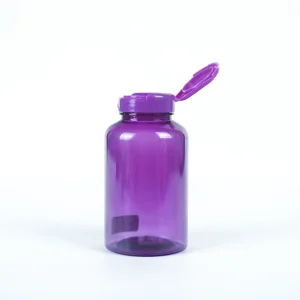
Select high-performance plasticware designed for chemical stability, temperature tolerance, and reliable containment.
Why elite laboratories are transitioning from conventional silicate glassware to high-performance fluoropolymers and engineering thermoplastics.
The global scientific and diagnostic community demands absolute precision. Historically, borosilicate glass was the industry standard. However, the rise of high-throughput screening, molecular diagnostics, and cryo-preservation has shifted the paradigm toward specialized plastic vessels. These modern polymer formulations offer unprecedented impact resistance, zero metal-ion contamination risk, and tailored gas barrier properties.
As a leading laboratory plastic bottles manufacturer, we utilize high-density polyethylene (HDPE), low-density polyethylene (LDPE), polypropylene (PP), and polyethylene terephthalate (PET) to synthesize vessels that satisfy the most stringent biosafety levels. Our cleanroom facilities minimize particulate and biological contamination, ensuring that each vessel is sterile, RNase/DNase-free, and pyrogen-free right off the production line.
By leveraging computational fluid dynamics (CFD) in our mold designs, we ensure drip-free pouring rings, airtight thread engagements, and structural integrity that resists deformation during high-speed centrifugation or extreme temperature transitions.
Our laboratory plasticware undergoes rigorous stress-crack testing, chemical exposure matrices, and dimensional tolerance validation. This technical oversight guarantees leak-proof performance even under severe vacuum or pressure drops in transport and sterilization cycles.
Understanding the chemical compatibility, temperature thresholds, and application zones of our core manufacturing materials.
| Polymer Material | Autoclavability | Temperature Range | Chemical Resistance Profile | Primary Laboratory Applications |
|---|---|---|---|---|
| HDPE (High-Density Polyethylene) | No | -100°C to +120°C | Excellent resistance to acids, bases, and alcohols. High impact strength. | Diagnostics, reagent storage, bulk chemical shipping. |
| LDPE (Low-Density Polyethylene) | No | -50°C to +80°C | Highly flexible. Excellent resistance to dilute acids and polar solvents. | Dropper bottles, wash bottles, flexible squeeze dispensers. |
| PP (Polypropylene) | Yes (121°C) | -10°C to +135°C | High heat tolerance. Excellent resistance to organic solvents and ketones. | Autoclavable media bottles, centrifuge tubes, micro-tubes. |
| PET (Polyethylene Terephthalate) | No | -40°C to +60°C | Optically clear. Superior gas barrier properties (CO2/O2 transmission limits). | Cell culture media storage, serum bottles, environmental sampling. |
Zhejiang Rocket Packaging Technology Co., Ltd. — A Leader in Precision Packaging Engineering
Zhejiang Rocket Packaging Technology CO.,Ltd. was established in 2018 with an annual output of over 100 million sets and a construction area of 16,000 square meters. We are located in Taizhou City, Zhejiang Province, China. We are a food packaging manufacturer specializing in the production of PET plastic bottles.
We are committed to the construction of professional brand of “fashion, beauty and cleanliness”, always adhering to the concept of “innovation, win-win, integrity and service”, and strive to provide our customers with high-quality and more cost-effective plastic products service.
By blending advanced material science with scalable automated manufacturing pipelines, we satisfy both commercial packaging and specialized scientific containment requirements. Our close proximity to the Ningbo and Shanghai deepwater ports optimizes global logistics, offering rapid transit options for high-volume enterprise purchasers across North America, Europe, and the APAC region.
Learn More About Us
Factory Footprint
Annual Set Output
Injection Blow Molding Lines
Injection Molding Equipment
Meeting the strict validation criteria of international pharmacopoeias and cleanroom standards.
Our medical-grade raw materials undergo in-vivo biological reactivity testing to ensure safe interaction with critical biological reagents, cell cultures, and diagnostic assays.
We execute exhaustive GC-MS, LC-MS, and ICP-MS testing profiles to map potential migrant chemicals. This safeguards the integrity of analytical reagents and prevents cross-contamination.
Operating under strict Quality Management Systems (QMS) ensures batch-to-batch traceability. We provide complete Certificate of Analysis (CoA) documentation for every shipment.
Why Taizhou's industrial clusters drive efficiency, cost reduction, and rapid prototyping.
Combining automatic raw material feeding with continuous blow molding platforms achieves sub-millimeter tolerances on all bottle necks and seal points.
Our facility is based in Taizhou, Zhejiang—the mold manufacturing capital of China. This unique location provides a major structural advantage: direct access to high-precision engineering hubs, specialized mold-makers, and optimized polymer logistics networks.
Our containers are engineered to satisfy both strict cleanroom requirements and high-efficiency packaging lines.
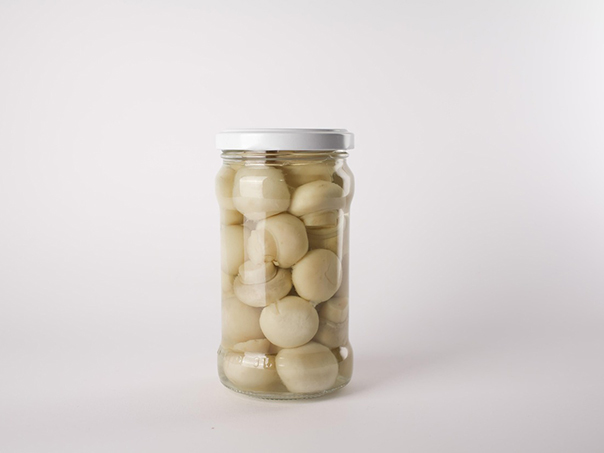
PET is a non-toxic plastic, which meets the safety requirements of food packaging. It will not react chemically with food to produce harmful substances, which can ensure the safety of food.
Learn More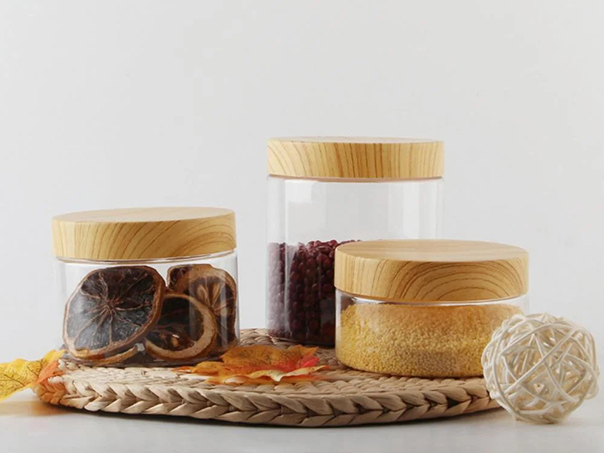
The mouth of PET plastic bottles can be closely matched with the bottle cap to ensure that the seasoning will not leak. For example, soy sauce, vinegar and other liquid seasonings, good sealing can prevent spillage during storage and transportation.
Learn More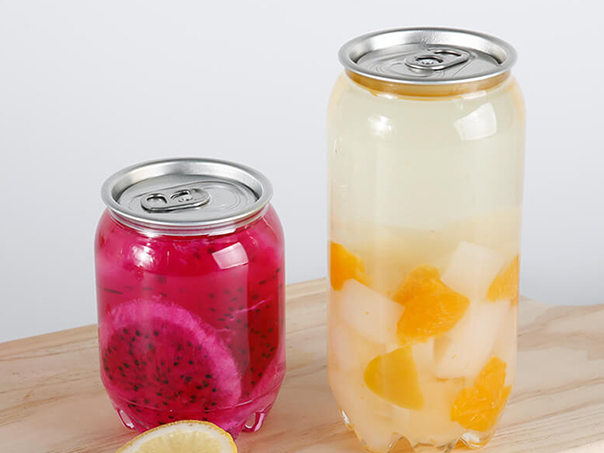
PET is a safe plastic material, which is non-toxic and harmless to the human body and meets the hygiene requirements of beverage packaging. In the process of contact with the drink, no harmful chemicals will be released, which can ensure the safety of the drink.
Learn More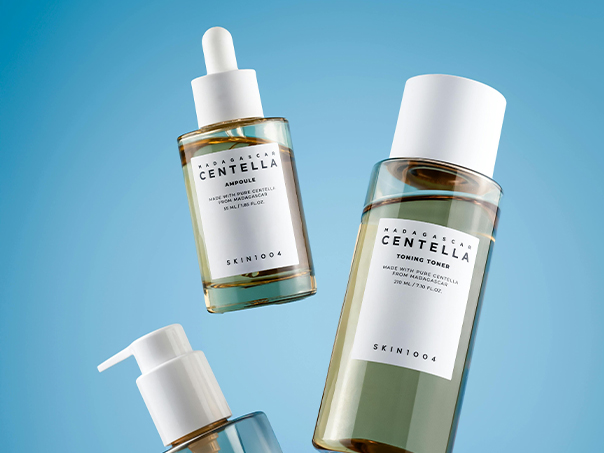
High transparency: PET plastic bottles have good transparency, which can show the color and texture of cosmetics well. For example, for lipstick, lip gloss and other products, consumers can directly see the color of the product through the transparent bottle, which is convenient to choose their favorite color number; for essence, lotion, etc.,
Learn MoreCritical considerations for chemical compatibility, leak-proof testing, and shipping logistics.
For scientific research, raw polymer purity is critical. Make sure your supplier uses virgin resins free of recycled materials, plasticizers, and heavy metal colorants, which can leach into reagents and ruin experimental data.
Leaking bottles can destroy samples, ruin cargo shipments, and expose personnel to hazardous reagents. Our double-start threads and linerless cap designs form a hermetic seal without using silicon liners that could contaminate the contents.
Different materials require specific sterilization setups. Polypropylene (PP) handles autoclaving at 121°C, while HDPE and PET are better suited for Gamma Irradiation or Ethylene Oxide (EtO) treatments. Our engineering team helps you match the right material to your sterilization protocols.
Technical answers to key questions about performance, validation, and custom manufacturing processes.
Browse our selection of heavy-duty, chemical-resistant packaging solutions for commercial and laboratory applications.
 Rocket Packaging