Premium translucent formulations providing balanced UV filtration, optical transparency, and strict containment integrity.



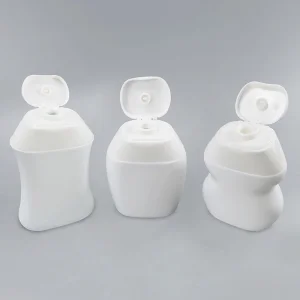
In modern industrial design and FMCG supply chains, translucent plastic bottles provide a vital compromise between absolute optical clarity (transparency) and complete opacity. Translucency allows light to pass through diffusely, offering visual confirmation of fill levels, product textures, and internal color metrics while mitigating structural degradation from ultraviolet light. This optical property is key for products containing active enzymes, vitamins, and light-sensitive cosmetic ingredients.
From a molecular perspective, translucency is determined by the crystalline morphology of the polymer. Polymers such as Polypropylene (PP), High-Density Polyethylene (HDPE), and specific formulations of Polyethylene Terephthalate (PET) display varying degrees of crystallinity. Amorphous structures yield high clarity, whereas semi-crystalline domains scatter light, resulting in a matte or translucent finish. Engineers selectively optimize these attributes by tuning cooling rates, shear stresses, and nucleating agent concentrations during stretch blow molding operations.

Our state-of-the-art facility integrates raw material purification, high-precision tooling, and lean manufacturing processes.
Comparing production strategies to balance cost, performance, and durability in translucent container manufacturing.
Ideal for PET and rPET. Biaxially stretching the material improves tensile strength, gas barrier properties, and clarity, enabling lightweight, thin-walled structures.
The standard process for HDPE and LDPE translucent squeeze bottles. EBM allows complex handles and variable wall distributions to match product viscosity and dispensing requirements.
Used for cap assemblies, flip tops, and preforms. Utilizes advanced hot runner molds to produce consistent thread diameters and leak-proof finishes.
How Taizhou, Zhejiang serves as the logistics hub for international packaging distribution.
Establishing production in Taizhou City, Zhejiang Province, China offers key competitive advantages for global supply chains. Often called the "Kingdom of Plastics," this region contains a highly integrated cluster of polymer chemical suppliers, specialized mold engineering firms, and high-efficiency packaging factories. By reducing internal logistics overheads and sourcing raw materials from local petrochemical hubs, manufacturers can optimize production cycles and control unit costs.
Proximity to the deep-water ports of Ningbo-Zhoushan and Shanghai enables rapid international shipping. In addition, localized supply chains allow for rapid design adjustments. Custom mold fabrication and pilot production runs that typically require months elsewhere can be executed in weeks. Zhejiang Rocket Packaging Technology CO.,Ltd. leverages these local resource ecosystems to run 2 domestically leading fully automatic feeding systems alongside 26 blow molding lines, ensuring reliable lead times for high-volume orders.
Established in 2018, operating under the brand values of fashion, beauty, cleanliness, innovation, win-win, integrity, and service.
We are a food packaging manufacturer specializing in the production of PET plastic bottles, operating a 16,000 square meter facility in Taizhou. We provide cost-effective plastic packaging services for global brands, ensuring high-purity, food-grade manufacturing standards.
Learn More About Us


Navigating structural and safety regulations across regional target markets.
Industrial packaging requirements vary significantly across different global markets. Sourcing translucent plastic bottles requires careful alignment with regional safety standards and recycling regulations.
In North America, material selection is heavily influenced by FDA food contact regulations. Under Title 21 CFR, materials like Virgin PET and HDPE must undergo migration testing before being used for food and beverages. In addition, California's Proposition 65 requires strict limits on heavy metals and plasticizers (phthalates), making BPA-free certifications a baseline market requirement.
European environmental regulations focus heavily on circular economy principles. The EU Plastics Strategy and UK Plastic Packaging Tax mandate the incorporation of at least 30% recycled content (rPET or rPP) in single-use plastic packaging. Additionally, container designs must support recycling collection systems, favoring mono-material constructions and tethered cap configurations.
The Asia-Pacific region is experiencing rapid growth in functional health beverages, cosmetics, and agricultural chemicals. Manufacturers in these markets require cost-effective, high-barrier bottles that can withstand high-humidity warehousing and long logistics routes. This has driven adoption of multi-layer co-extrusion technology to improve gas barrier performance.
Technical, regulatory, and supply chain insights for global procurement managers.
Explore our range of precision-molded squeeze bottles, airless packaging systems, and functional caps.




 Rocket Packaging