The increasing concern over plastic waste has prompted many to consider reusing plastic bottles. However, a crucial question arises: "How long can you safely reuse plastic bottles?" Dr. James Cartwright, a leading expert in environmental health, once stated, "Reusing plastic bottles can be convenient, but there are limits to safety."
The safety of reusing plastic bottles is not as straightforward as it seems. Bacteria can thrive in warm, dark environments inside these containers. Over time, the material of the bottle may degrade, introducing harmful chemicals into the contents. It's essential to recognize that reusing them indefinitely poses potential health risks. Many people believe that simply rinsing a bottle before reuse is sufficient, but that's not always the case.
Experts recommend caps and spouts be cleaned thoroughly, as germs collect there too. Depending on the type of plastic, some bottles can only be safely reused a few times. Regular inspection for cracks or cloudiness is vital. Each person's usage pattern may differ, so reflecting on how long you keep and use these bottles is necessary. Remember, safety is paramount when considering "how long can you safely reuse plastic bottles.
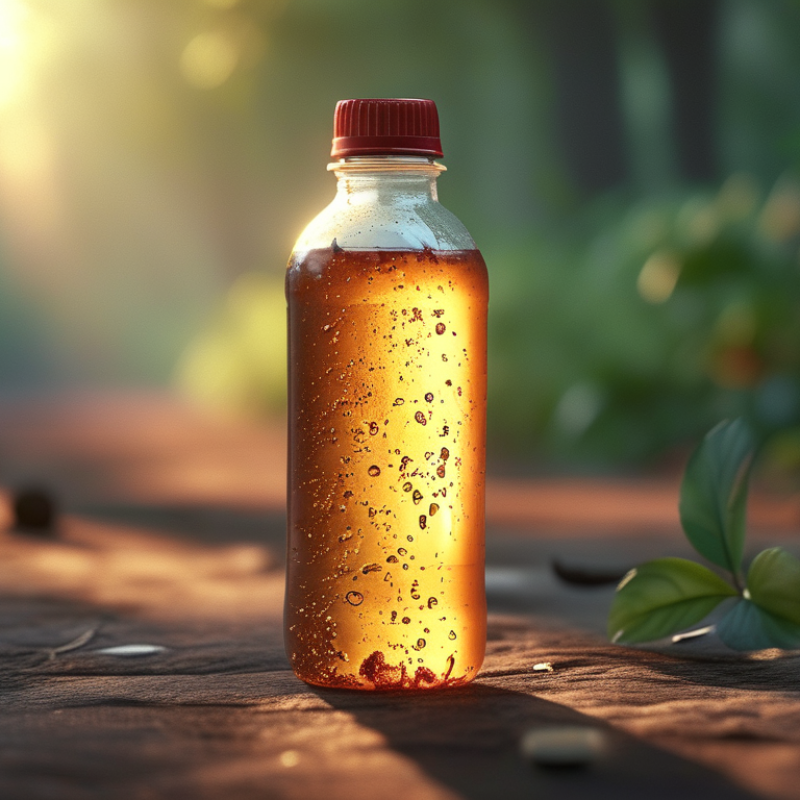
Reusing plastic bottles can seem eco-friendly, but it comes with safety concerns. Microscopic scratches on the bottle's surface can harbor bacteria. When you refill a bottle, these bacteria can multiply, posing health risks. Research shows that even though washing can reduce bacteria, it doesn't eliminate all risks. The type of plastic matters too. Not all plastics are designed for repeated use.
Chemical leaching is another significant issue. Over time, certain plastics can release harmful chemicals into liquids, especially when exposed to heat. This is particularly concerning if the bottles contain acidic beverages. Some people may not realize the safe limits on how many times a bottle can be reused. Ideally, you should avoid reusing single-use plastics more than a couple of times.
It's essential to stay aware of these risks. Consider using alternatives like stainless steel or glass bottles. They are safer and often more durable. Reflecting on our choices can lead to better habits. If opting for plastic, familiarize yourself with the types of plastics that are safer for reuse. Not all plastic bottles are created equal, and understanding this can help safeguard your health.
Choosing the right type of plastic bottle for reuse is vital for safety and health. Not all plastics are suitable. Look for bottles made from high-density polyethylene (HDPE) or polypropylene (PP). These materials are more durable and less likely to leach harmful chemicals. Reusing polyethylene terephthalate (PET) bottles poses more risks, as they can break down over time.
Inspect the bottle before reuse. Check for cracks or haziness, which can indicate weakened material. Clean the bottle properly. Use hot, soapy water, and let it dry completely. A lingering moisture can promote bacterial growth. Be mindful of the age of the bottle; older bottles may not hold up well against repeated washing.
Reflect on your usage habits. Are you reusing bottles frequently, or just occasionally? Frequent reuse can raise concerns about safety. A bottle may develop scratches that harbor bacteria. It’s crucial to remain aware of these issues when deciding to reuse plastic bottles. It's essential to stay informed and make educated decisions.
When reusing plastic bottles, cleaning and sanitizing them properly is crucial. Many bottles harbor bacteria, which can lead to health risks. A study from the Environmental Protection Agency shows that 75% of reusable bottles test positive for harmful bacteria after initial use. Thorough cleaning can significantly reduce these risks.
Start by rinsing the bottle with hot water. Use a bottle brush to scrub hard-to-reach areas. A solution of warm water and vinegar is effective for deeper cleaning. According to a recent report by the Food and Drug Administration, vinegar can eliminate up to 99% of bacteria when used properly. Let the solution sit for about ten minutes before rinsing thoroughly.
Sanitizing goes beyond cleaning. After washing, use a solution of 1 tablespoon of bleach in a gallon of water. Soak the bottle for a few minutes, then rinse with clean water. Maintain a routine of cleaning after each use to prevent the buildup of harmful microorganisms. Remember, storing bottles in warm, damp environments can encourage bacterial growth. Regular inspection of your bottles for damage is essential too. If you notice cracks or excessive wear, consider recycling them instead.
When it comes to reusing plastic bottles, the question of longevity is crucial. Generally, plastic bottles can be safely reused about five to ten times, but this varies significantly based on the type of plastic and how they are handled. Bottles made from polyethylene terephthalate, or PET, are common but may degrade after multiple uses. Over time, they can harbor bacteria, especially if not cleaned properly.
The potential hazards increase with age. Scratches and wear on the bottle's surface can trap bacteria and other harmful substances. This is why thorough cleaning is essential. Many people overlook the need to sanitize reusable bottles. It’s also worth noting that storing certain liquids, like acidic juices, can accelerate degradation. Some plastics release chemicals that might leach into beverages, especially when exposed to heat or sunlight. It’s a balancing act between convenience and safety.
We must reflect on our habits. How often do we inspect our bottles for signs of wear? Are we mindful of what we store in them? Reusing plastic bottles can have environmental benefits, but awareness of their limitations is vital. Keeping track of their condition ensures that we prioritize our health while contributing to sustainability.
When considering the reuse of plastic bottles, it's crucial to pay attention to signs indicating they should not be reused. One key sign is any visible damage, such as cracks or warps. These imperfections can harbor bacteria and compromise the integrity of the bottle. A worn-out cap or lid can also be a problem. If it doesn’t seal properly, it could lead to leaks and contamination.
Another indicator is lingering odors or stains. If a plastic bottle retains strong smells despite washing, it may be time to let it go. Chemical leaching from the material can occur with older bottles, especially if they have been exposed to heat or sunlight. If a bottle has been left in a hot car, think twice before reusing it. A seemingly harmless bottle might pose health risks due to breakdown from harsh conditions.
Finally, always check for expiration dates. Some bottles have them, indicating safe use periods. Discoloration or fading can also signal degradation. These signs can be easy to overlook, but it’s important to be vigilant. Reusing bottles incorrectly can bring unintended health risks. Trust your instincts and err on the side of caution when deciding to reuse a plastic bottle.
| Tip | Description | Signs to Stop Reusing | Recommended Alternatives |
|---|---|---|---|
| 1. Clean Thoroughly | Rinse and wash bottles with hot soapy water to remove residues. | Persistent odors or residues. | Use glass or stainless steel containers instead. |
| 2. Use Bottles for Cold Drinks | Only reuse bottles for non-hot liquids. | Brittleness or cracks. | Opt for BPA-free water bottles. |
| 3. Check Expiry Dates | Be aware that some plastics have a limited lifespan. | Label fading or missing. | Use reusable bottles with clear expiration dates. |
| 4. For Cold Storage Only | Store only in cool environments, avoid heat exposure. | Deformed shape or discoloration. | Use vacuum-flask containers for hot liquids. |
| 5. Avoid Strong Chemicals | Do not store chemical products in plastic bottles. | Seeps or leaks. | Store chemicals in designated containers. |
| 6. Inspect Regularly | Regularly check for wear and tear. | Visible cracks or signs of degradation. | Switch to durable options like glass. |
| 7. Avoid Reusing Certain Types | Do not reuse bottles labeled with Recycling Code 3 (PVC) or 7 (Other). | Codes are peeling off. | Select bottles made from PETE or HDPE. |
| 8. Label Bottles | Use labels to track usage and contents. | Unlabeled or unclear contents. | Use distinct-colored containers. |
| 9. No Hot Drinks | Avoid placing hot liquids in plastic bottles. | Warps or melts. | Consider insulated travel mugs. |
| 10. Consider Recycling | If signs of wear appear, recycle instead of reuse. | Too many scratches or dents. | Look for local recycling programs. |
: Reusing plastic bottles has safety concerns, mainly due to bacteria in scratches and chemical leaching.
Microscopic scratches can harbor bacteria. Even washing doesn’t eliminate all bacteria, posing health risks.
Yes, certain plastics can release harmful chemicals, especially with heat and acidic beverages over time.
Ideally, avoid reusing single-use plastics more than a couple of times for safety.
Look for cracks, warps, strong odors, or stains. These can harbor bacteria or indicate degradation.
Avoid leaving bottles in hot cars. Heat can break down the plastic and increase health risks.
Yes, consider using stainless steel or glass bottles. They are safer and more durable for reuse.
If a bottle retains strong odors after washing, it’s best to stop reusing it.
Always check for visible damage, expiration dates, or discoloration before deciding to reuse.
Reflecting can lead to better habits and safer practices regarding bottle reuse and health.
Reusing plastic bottles can be an environmentally friendly practice, but it's crucial to understand the associated safety risks. Different types of plastic bottles come with varying levels of safety when reused, and selecting the right one is essential. Proper cleaning and sanitizing techniques also play a significant role in ensuring that reused bottles remain safe for use.
A common question is, "How long can you safely reuse plastic bottles?" While this can depend on the type of plastic and usage conditions, it's important to monitor for signs of wear and tear, such as cracks or changes in odor. Regularly evaluate the condition of your bottles to determine their safety for continued use. By following these best practices, you can minimize risks and make informed decisions about reusing plastic bottles.

Rocket Packaging