Choosing a reliable China plastic bottle manufacturer begins with more than comparing factory prices. Brand owners need consistent molding, accurate color matching, and logos that remain clear after filling, shipping, and handling. From cosmetic containers to household packaging, bottle shape, resin selection, cap fit, and surface finish influence customer trust. A practical supplier should explain tooling costs, minimum order quantities, sampling stages, production tolerances, and quality inspection records. These details help buyers judge manufacturing capability, not just attractive photographs. Details matter. Samples should be checked under real lighting, against the intended product, and after basic handling tests. Small errors spread.
Many buyers ask, “How to customize plastic bottles with logo and design,” but the answer depends on product use, quantity, budget, and brand expectations. A reliable customization process usually starts with a bottle drawing, logo file, color reference, and clear decoration requirements. Screen printing, hot stamping, labeling, and molded embossing each create different visual results. They also require different equipment and surface conditions. The first sample may not look perfect. That is normal, but every correction should be recorded and approved before mass production. Food, cosmetic, and personal-care packaging may require material declarations, migration testing, or market-specific documentation. Requirements vary by destination. Responsible manufacturers should provide traceable samples, production photos, inspection records, and transparent communication. Color samples can shift slightly between screens and physical bottles, so final approval should use a real printed sample. Good customization balances appearance, durability, production efficiency, and responsible material choices. It is easy to overlook one detail. That detail may later affect the entire order.
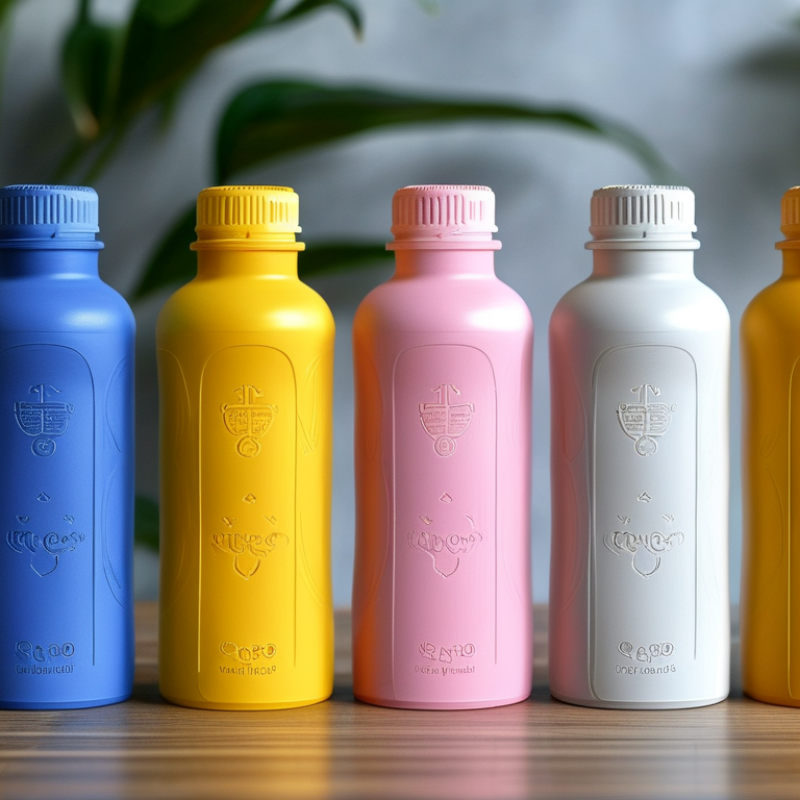
China Top Plastic Bottle Manufacturers Custom Logo Design
A top plastic bottle manufacturer does more than produce attractive containers. It controls each stage, from resin selection to final packing. In practical projects, I look for clear material specifications, stable molding equipment, and trained quality inspectors. Small details matter. A clean neck finish prevents cap leakage. Even wall thickness helps bottles survive filling, transport, and storage.
Custom logo design should begin with the bottle’s structure, not only artwork. Engineers need to check label space, printing limits, embossing depth, and color consistency. Reliable manufacturers provide drawings, samples, and mold-trial records before mass production. They also explain whether screen printing, hot stamping, labeling, or raised logos suits the material. Good communication reduces expensive changes later.
Experience is visible in records, not promises. A dependable factory can share batch traceability, inspection standards, and realistic production schedules. It should test dimensions, weight, closure fit, and drop resistance. Relevant food-contact or cosmetic packaging requirements must also be reviewed for the target market. However, no manufacturer is perfect. A sample can pass inspection and still reveal a handling issue during filling. That is why pilot runs and customer feedback remain necessary. Careful suppliers accept these findings and adjust the process.
This buyer-weighted evaluation framework highlights the main criteria commonly used when selecting a custom plastic bottle manufacturer: product quality, mold and design capability, customization flexibility, regulatory compliance, production reliability, and sustainability. The percentages represent evaluation priorities rather than data from any individual company or brand.
China Top Plastic Bottle Manufacturers Custom Logo Design
Plastic bottles are selected by product, filling process, and handling conditions. PET bottles suit water, juice, cooking oil, and personal-care liquids because they are light, clear, and impact resistant. HDPE bottles offer stronger chemical resistance. They commonly hold milk, detergents, shampoos, and household liquids. PP bottles tolerate higher temperatures and repeated squeezing, making them useful for sauces, medical-care packaging, and hot-fill applications.
Small details matter. A narrow neck controls pouring and reduces spills. A wide mouth supports powders, creams, and easy cleaning. Trigger or pump closures improve dosing for cleaning products and toiletries. According to the OECD Global Plastics Outlook, packaging created about 40% of global plastic waste in 2019. This figure makes material reduction and practical bottle design important, not decorative. Lightweighting can reduce resin use, but overly thin walls may collapse during transport.
Custom logo design should follow the bottle’s shape, label area, and printing method. Direct printing can create a clean appearance, while labels allow faster artwork changes. In factory trials, curved surfaces may distort small text or fine symbols. Simple graphics usually perform better. No bottle is perfect. A clear PET container may improve product visibility, yet light-sensitive contents need protection. Industry testing should check drop strength, seal performance, filling speed, and compatibility with the liquid. The Plastics Industry Association also identifies packaging as a major plastics application, reminding manufacturers that performance and end-of-life planning must be considered together.
Custom logo design for a plastic bottle starts with the bottle itself. Its shoulder, curves, neck, and label area all affect visual balance. An experienced design team studies these details before drawing the artwork. A logo that looks sharp on paper may appear stretched on a round bottle. That happens often.
The process usually begins with a clear design brief. It defines the target users, logo size, colors, and printing method. Designers then create several simple concepts with readable lines and controlled spacing. Fine details need caution. They can disappear during screen printing, embossing, or label production. Material choice also matters. Glossy plastic reflects light, while matte surfaces soften contrast.
A prototype provides practical evidence. The artwork is applied to a sample bottle and checked from different angles. Designers inspect alignment near the cap, label edges, and curved surfaces. They also review color consistency under factory lighting and daylight. Experienced manufacturers compare the sample with approved artwork before mass production. One small adjustment can improve recognition significantly. Still, the first version is rarely perfect. I have seen attractive logos become crowded after production scaling. A useful review leaves room for correction, not pride.
Keep it clear. Test it physically.
China’s top plastic bottle manufacturers combine custom logo design with controlled production. They begin by selecting resin suited to the product and filling process. PET works well for clear beverage bottles, while HDPE offers useful impact resistance. Preforms, molds, and closures must match precisely. Small neck errors can cause leakage.
Experienced factories inspect bottle weight, wall thickness, color, and dimensions during production. Operators may check every batch for leaks, deformation, and weak seams. Torque testing confirms that caps close correctly without damaging the threads. Drop tests reveal problems that visual inspection may miss.
Logo quality also matters. A printed mark should remain sharp after handling, washing, or transport. Molded logos need clean edges and consistent depth.
Reliable manufacturers maintain batch records, approved samples, and traceable raw materials. They should provide test reports for food-contact safety, migration limits, and other requirements in the destination market. Compliance is not identical everywhere. A certificate alone is not proof of full conformity. The buyer should verify its scope, date, laboratory, and tested material.
No factory is flawless. Production teams can still overlook a color shift or a loose cap. Clear inspection plans and independent testing reduce that risk. Before mass production, buyers should approve a signed sample with logo position, color, dimensions, and packaging details.
China Top Plastic Bottle Manufacturers Custom Logo Design
Selecting the right Chinese bottle manufacturer requires more than comparing unit prices. Start with material verification, production capability, and documented quality controls. According to the OECD Global Plastics Outlook, only 9% of global plastic waste was recycled in 2019. This makes recycled-content claims worth checking through batch records and independent testing.
Request production samples before approving custom logo design. Inspect the neck finish, wall thickness, cap fit, print alignment, and odor after filling. A reliable factory should explain its resin source, mold tolerance, inspection frequency, and corrective-action process. ISO 9001 certification can support consistency, but it does not replace factory audits. Ask for recent test reports covering food-contact safety, migration limits, compression strength, and drop resistance. Requirements vary by destination market.
Discuss minimum order quantities, mold ownership, storage, and replacement terms in writing. Confirm whether the factory can repeat the same color after three production runs. Small details matter. The PlasticsEurope Plastics—The Fast Facts 2023 report recorded 400.3 million tonnes of global plastics production in 2022, showing the scale of a highly competitive supply chain. A low quotation may hide weak inspection or unstable resin quality. I would also allow extra time for pilot production; rushing approval is a mistake I have seen create expensive rework. Ask for traceability from raw material intake to final carton, and keep an approved reference sample for every future order.
: It controls resin selection, molding, inspection, and final packing. Clear material records and trained inspectors are important. Small details matter.
A clean neck finish helps prevent cap leakage. Even wall thickness improves resistance during filling, transport, and storage. Weak points can appear later.
It should begin with the bottle’s shape and usable printing area. Designers should study the shoulder, curves, neck, and label space. Paper artwork can look different on curved plastic.
Screen printing, hot stamping, labeling, or raised logos may work. The best option depends on the material, surface, and design details. Fine lines need caution.
They should provide technical drawings, samples, and mold-trial records. They should also explain printing limits and color expectations. A sample reveals practical problems.
Apply the artwork to a prototype bottle. Check alignment near the cap, label edges, and curved surfaces. Review it under daylight and factory lighting. Keep it clear.
Check dimensions, bottle weight, closure fit, and drop resistance. Batch traceability and inspection standards should be available. A realistic production schedule also matters.
Not always. A sample may pass inspection but create handling problems during filling. Pilot runs and customer feedback can reveal hidden issues. Small changes matter.
Clear communication reduces costly design changes later. Teams should confirm colors, printing methods, measurements, and approval samples. The first version is rarely perfect.
China’s top plastic bottle manufacturers combine advanced production capabilities, flexible customization, consistent quality, and reliable communication. They typically offer various bottle types, including PET, HDPE, and other application-focused formats for beverages, personal care, household products, and general packaging. Their expertise helps customers choose the appropriate material, capacity, shape, closure, and surface finish according to product requirements, market positioning, and transportation needs.
How to customize plastic bottles with logo and design involves several stages, including artwork preparation, structural review, mold or printing method selection, color confirmation, sampling, and final approval. A professional manufacturer should maintain strict quality control throughout material inspection, molding, printing, assembly, and packaging. Compliance documentation, production capacity, lead times, minimum order quantities, and communication efficiency should also be evaluated. By comparing these factors carefully, buyers can select a Chinese bottle manufacturer capable of delivering attractive, functional, and consistently produced packaging for long-term cooperation.
Rocket Packaging