10 Tips for Ensuring Plastic Bottles are Food Grade Safe?

Time:2026-08-01 Author:Aria
0%

Plastic bottles are ubiquitous in our daily lives, from sports drinks to bottled water. However, not all bottles are created equal. Understanding what makes plastic bottles food-grade safe is essential. Food-grade plastics are specifically designed to be free from harmful chemicals. This ensures health and safety for consumers.

Many factors contribute to the safety of plastic bottles. It's crucial to consider the type of plastic used. Some plastics can leach harmful substances, especially when exposed to heat. The identification of food-grade plastics often includes codes like #1 (PET) and #2 (HDPE). These materials are generally recognized as safe for food contact.

Yet, even food-grade plastics can pose risks. Poor storage conditions can lead to contamination or degradation over time. It's vital for consumers to be cautious and informed. Regularly inspect bottles for wear and tear. Ultimately, while food-grade plastics offer safety, vigilant practices are necessary to ensure they remain safe for use.
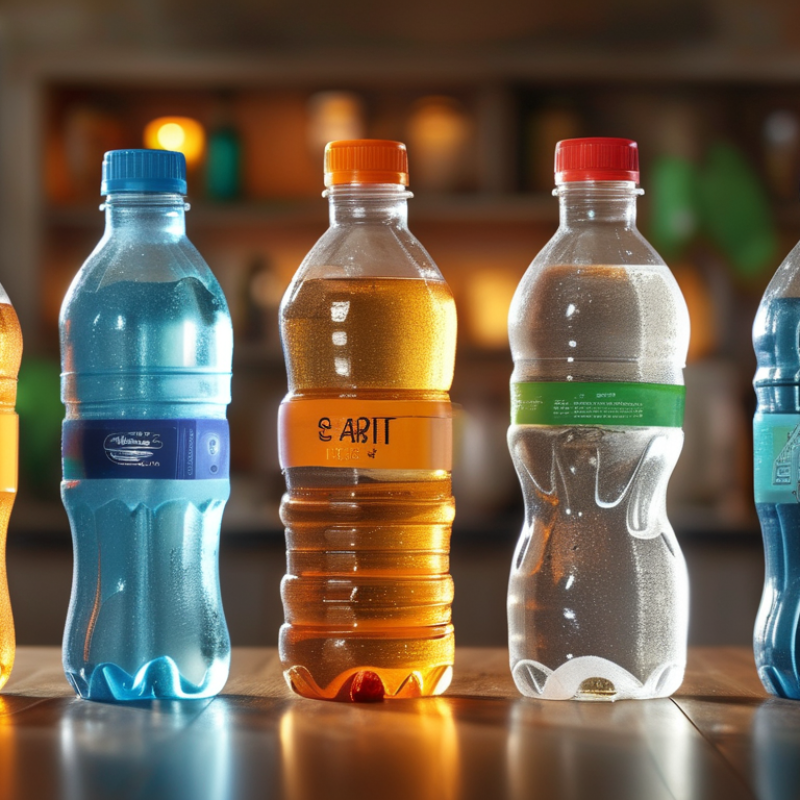
10 Tips for Ensuring Plastic Bottles are Food Grade Safe?

Understanding Food Grade Safety Standards for Plastics

Understanding food grade safety standards for plastics is crucial. Many consumers are unaware that not all plastics are created equal. Food grade plastics meet strict regulations to ensure safety. They are designed to minimize harmful chemical leaching into food and beverages. But how can you be sure?

Look for the recycling symbol. Some plastics, like PET and HDPE, are commonly used for food storage. Their safety is supported by studies. However, some less known plastics may not be suitable. Even food grade plastics can degrade over time. Exposing them to high temperatures or sunlight can affect their integrity.

It's worthwhile to consider the source of materials. Not all manufacturers adhere to the same safety standards. Transparency in production is essential. Consumers should research and be cautious. When in doubt, ask questions about how and where the plastic was made. Always trust your instincts. If a bottle has any unusual odor or discoloration, it’s better to discard it.

Identifying Food Safe Plastic Labels and Codes

When choosing plastic bottles for food use, understanding labels is crucial. Not all plastics are safe. Look for recycling symbols on the bottom of bottles. The numbers inside the triangle indicate the type of plastic used. For food-grade safety, focus on #1 (PET), #2 (HDPE), and #5 (PP). These are generally recognized as safe for food storage.

Visual inspection matters too. Check for clarity, as any cloudiness can suggest impurities. Additionally, ensure there are no scratches or cracks, as these can harbor bacteria. While many bottles claim to be safe, not all are created equal. Trust your instincts and research further if a bottle seems suspicious.

Consider your usage habits. Reusing single-use plastics can be risky, as they may degrade over time. Always wash bottles thoroughly before reuse. Be cautious with heat; some plastics release chemicals when exposed to high temperatures. If in doubt, opt for glass or stainless steel alternatives for food storage.

Choosing the Right Type of Plastic for Bottle Manufacturing

Choosing the right type of plastic for bottle manufacturing is crucial for food safety. Different plastics have unique properties that can affect their suitability for food contact. For instance, PET and HDPE are commonly recognized as safe options. They are resistant to leaching harmful chemicals. These materials maintain structural integrity during storage.

One significant consideration is the presence of BPA. This chemical is often found in polycarbonate plastics. It can migrate into food and beverages, raising health concerns. Manufacturers must avoid any plastic that contains BPA for food-grade applications. Additionally, it's crucial to ensure that the plastic is labeled as food-grade. This label guarantees that the material has undergone rigorous testing. Always check for certifications from reputable organizations.

Some production processes can also impact the safety of the plastic. For example, recycling can alter the properties of the material. Contamination risks rise if recycling is not managed properly. Not all recycled plastics are suitable for food use. Thus, manufacturers should educate themselves on the recycling process and its implications. The journey to creating safe plastic bottles requires diligence and a commitment to quality standards.

Best Practices for Cleaning and Sanitizing Plastic Bottles

Cleaning and sanitizing plastic bottles is crucial for food safety. According to a study by the National Sanitation Foundation, 85% of consumers misuse cleaning methods. This can lead to harmful bacteria growth. Proper cleaning ensures that the bottles remain food grade safe and contaminate-free.

Start with rinsing bottles in warm, soapy water. Use a bottle brush to reach all surfaces, ensuring you scrub any hidden areas. For sanitization, a solution of one tablespoon of bleach per gallon of water is effective. Soak the bottles for at least two minutes. Rinse thoroughly to remove any bleach, ensuring no residue remains. A common mistake is skipping the rinse, which can leave harmful chemicals behind.

Drying is equally important yet often overlooked. Allow bottles to air dry completely before reuse. Moisture can foster bacterial growth. Additionally, consider the material of the bottle. Some plastics are more porous than others, making them harder to sanitize. Frequent inspection for cracks or scratches is vital as they can harbor bacteria, compromising food safety. Regularly replacing worn bottles ensures that your containers remain safe for food use.

Plastic Bottle Cleaning Practices Effectiveness

Avoiding Contaminants: Storage and Usage Guidelines for Food Bottles

When using plastic bottles for food storage, avoiding contaminants is crucial for safety. A report by the Food Safety Authority indicates that certain plastic types, like PET and HDPE, are generally regarded as safe for food contact. However, misuse during storage can lead to hazardous chemical leaching. Always check for recycling codes which indicate safety. Bottles marked with "1," "2," or "5" are typically safe.

Temperature control is essential. High heat can cause plastics to release harmful substances. For instance, keeping water bottles in a hot car can cause degradation. The World Health Organization suggests storing bottled water in a cool, dark place to minimize risk. Additionally, ensure to wash bottles regularly. Residue from food or drinks can be a breeding ground for bacteria. Studies show that neglected reusable bottles often harbor more bacteria than toilet seats.

Mind the lifespan of your bottles. Using plastic bottles beyond their recommended period can pose risks. Over time, even food-grade plastics can develop cracks or scratches, which may harbor contaminants. It's essential to inspect bottles for damage. If suspicious, it’s wiser to replace them. Each of these guidelines emphasizes diligence and awareness in ensuring safe usage of plastic bottles for food storage.

FAQS

: How can I identify food-safe plastic?

: Look for recycling symbols. Focus on #1, #2, and #5 plastics for safety.

What should I check visually on plastic bottles?

Ensure clarity and check for scratches or cracks. These can harbor bacteria.

Is it safe to reuse single-use plastics?

It can be risky. Repeated use may degrade them and encourage bacterial growth.

How do I clean plastic bottles properly?

Rinse with warm, soapy water. Use a bottle brush for thorough cleaning.

What is an effective sanitization method for bottles?

Soak in a bleach solution (one tablespoon per gallon) for two minutes.

Why is rinsing after sanitization important?

Skipping rinsing can leave harmful bleach residue on the bottles.

Should I dry bottles after washing?

Yes, allow them to air dry completely. Moisture can lead to bacteria formation.

How often should I inspect my plastic bottles?

Regular inspections help identify cracks or scratches, which compromise safety.

What should I do if my plastic bottle looks suspicious?

Trust your instincts. Research further or consider using glass or stainless steel.

Are all plastic bottles labeled as safe truly safe?

No, not all are created equal. Investigate and be cautious with any suspicious bottles.

Conclusion

The article "10 Tips for Ensuring Plastic Bottles are Food Grade Safe" delves into the essential factors that contribute to the safety of plastic bottles for food use. It begins by explaining food grade safety standards that govern the use of plastics in food packaging, emphasizing the importance of adhering to these regulations. Identifying food-safe plastic labels and codes is crucial for consumers and manufacturers alike, ensuring that the materials used meet the necessary safety criteria.

Furthermore, the article outlines the right types of plastics for bottle manufacturing, highlighting some of the commonly used food-grade plastics. Best practices for cleaning and sanitizing plastic bottles are discussed to prevent contamination, along with storage and usage guidelines that help maintain the integrity of food products. Ultimately, understanding "what makes plastic bottles food-grade safe" encompasses a combination of proper material selection, compliance with safety standards, and diligent handling practices to protect consumer health.

Aria

Aria

Aria is a dedicated marketing professional with a deep passion for innovative strategies and a keen understanding of our company's product offerings. With a wealth of experience in the industry, Aria excels at crafting engaging content that highlights the unique features and benefits of our......