When it comes to food storage, choosing the right plastic bottles is crucial. Many people overlook the safety of the materials they use. With the rising concerns about plastic contaminants, understanding how to choose safe plastic bottles for food storage is essential. Not all plastic is created equal, and some can release harmful chemicals over time.
Look for plastic bottles marked with recycling codes #1 (PETE) or #2 (HDPE). These types are usually considered safe for food. It’s also important to avoid bottles that are scratched or damaged. They can create places for bacteria to breed. Many consumers make the mistake of assuming all plastics are safe. This misconception can lead to health risks.
Additionally, consider how bottles are made. Premium brands often follow stricter safety standards. Always check for certifications from authoritative bodies. This ensures the plastic has undergone rigorous testing. Reflecting on your choices is vital. Are you truly aware of what’s safe for your family? Make informed decisions to protect your health while enjoying the convenience of plastic storage solutions.
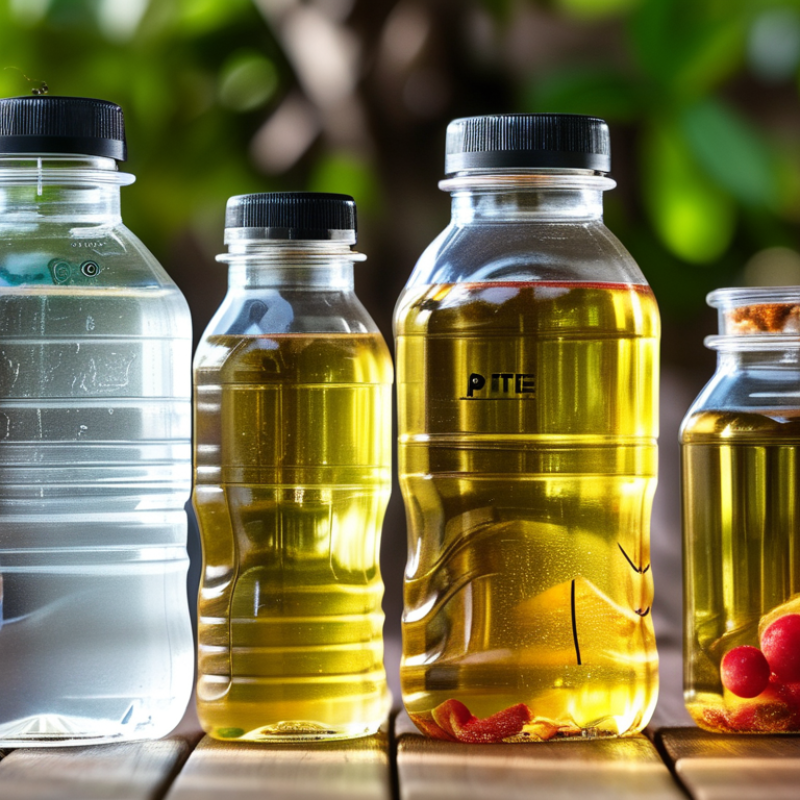
When selecting plastic bottles for food storage, understanding plastic resin codes is crucial. These codes indicate the type of plastic used and its safety rating. Commonly found on the bottom of bottles, these codes range from 1 to 7. Knowing them helps you make informed choices.
For example, is widely regarded as safe for single use but may degrade over time. High-density polyethylene (HDPE, code 2) is often used for milk jugs and is considered safe. Avoid polyvinyl chloride (PVC, code 3) and polystyrene (PS, code 6); they may leach harmful chemicals into food. Moreover, code 7, which encompasses other types of plastics, can be a mixed bag. Always check additional resources for safety ratings.
It's easy to overlook these details while shopping. Many assume all plastics are the same without considering potential risks. Remember, no plastic is completely free of concerns. Regularly using certain types for food storage might lead to cumulative effects over time. It's worth reflecting on the choices you make. Even minor adjustments can enhance safety in your kitchen.
When it comes to food storage, choosing the right plastic bottle is crucial. One of the main concerns is the presence of harmful chemicals, particularly BPA. Bisphenol A (BPA) is known to disrupt endocrine functions. Look for bottles labeled “BPA-free.” This indication helps ease some worries about chemical leaching.
However, BPA-free does not mean completely safe. Other chemicals, like phthalates, may still be present. Phthalates can also affect hormonal balance. Always check for labels that ensure the absence of these substances. Recycling codes can offer additional insights. Codes 1, 2, and 5 are safer options, generally free from harmful chemicals.
It’s vital to be informed and vigilant. Even some products marketed as safe can have risks. Consider using alternatives like glass or stainless steel. They accommodate various food types without compromising safety. Reflect on the materials surrounding your food. Taking these steps helps protect both your health and that of your family.
When selecting plastic bottles for food storage, temperature resistance plays a crucial role in maintaining food safety. Research indicates that many plastics can release harmful chemicals when exposed to high temperatures. For instance, a study published in the Journal of Consumer Protection found that certain plastics may leach substances like BPA when subjected to temperatures above 70°C (158°F). This leaching can occur after just a short period, potentially affecting the quality and safety of stored food.
Understanding the temperature range of the chosen plastic is essential. High-density polyethylene (HDPE) is known for its durability and resistance to high temperatures. However, it is not immune to degradation. If HDPE bottles are frequently exposed to heat, their integrity may diminish over time. Polypropylene, on the other hand, has a higher melting point, making it suitable for hot liquids. Yet, improper storage conditions can still compromise its safety. Monitoring storage temperatures is vital to ensure that the containers remain safe over their lifespan.
Consumers should not overlook the importance of proper labeling and guidance. Many bottles come with manufacturer recommendations. Following these guidelines can prevent potential hazards. However, it’s essential to remember that even the best containers may not perform well under extreme conditions. Awareness of these factors can lead to safer food storage practices and improved food quality.
| Material Type | Temperature Resistance (°C) | BPA Free | Best Use |
|---|---|---|---|
| Polyethylene (PET) | -40 to 60 | Yes | Cold drinks, water |
| Polypropylene (PP) | -20 to 121 | Yes | Hot liquids, food storage |
| Polycarbonate | -20 to 120 | No | Reusable bottles |
| High-Density Polyethylene (HDPE) | -40 to 120 | Yes | Various food items |
| Low-Density Polyethylene (LDPE) | -60 to 80 | Yes | Wraps, bags |
When considering food storage, the material of your plastic bottle is crucial. Polypropylene and polyethylene are two common options. Each has its unique properties and suitability for storing food. Polypropylene is generally more durable, while polyethylene offers flexibility. Understanding these differences can help you make informed choices.
Tips for choosing the right bottle include checking for recycling codes. Look for "1" or "5," as they are generally considered safer. Avoid bottles labeled with "3" or "6," which can leach harmful chemicals. Additionally, consider the bottle's temperature tolerance. Some bottles can warp in heat, affecting both safety and usability.
It's also important to keep in mind that not all plastics are created equal. Some may break down over time, especially when exposed to sunlight. Regularly inspect your bottles for wear and tear. A small crack can lead to contamination. Remember to wash bottles thoroughly to avoid bacteria growth. Choosing the right material and maintaining it well will ensure safe food storage.
Maintaining the cleanliness of plastic food containers is crucial for safe food storage. Over time, residues can build up, leading to potential contamination. Regular cleaning prevents this. Use warm, soapy water to clean your containers after each use. Ensure you scrub the corners, where food particles often hide. Rinsing thoroughly is essential to remove all soap.
Consider the material when selecting cleaning agents. Some harsher chemicals can degrade certain types of plastic. Vinegar is a great natural option. It's effective against odors and bacteria. Additionally, using baking soda can help eliminate stubborn stains. Just make a paste with water, apply it, and let it sit before rinsing.
Inspect your containers regularly for signs of wear. Scratches or cloudiness can harbor bacteria. If a container feels warped, it’s best to replace it. Remember, not all containers are microwave-safe. Always check if you plan to use them for heating. By keeping these practices in mind, you can create a safer food storage system.
: Plastic resin codes indicate the type of plastic and its safety ratings. They help you make informed choices.
Temperature resistance is crucial because some plastics release harmful chemicals when exposed to high heat.
Codes "1" (PET) and "5" (PP) are generally considered safe for food storage. Avoid codes "3" (PVC) and "6" (PS).
Yes, many plastics, like HDPE, can weaken and degrade with frequent exposure to heat and sunlight.
Regularly inspect your bottles for cracks and wear. Wash them thoroughly to prevent bacteria growth.
Reusing plastic bottles can be risky. They may leach chemicals over time, especially if not properly maintained.
High temperatures can cause plastics to leach chemicals, affecting both food quality and safety.
Yes, following manufacturer recommendations can help prevent potential hazards when using plastic containers.
When it comes to how to choose safe plastic bottles for food storage, understanding plastic resin codes is crucial, as they indicate safety ratings and potential chemical risks. It is essential to identify BPA-free options and be aware of other harmful substances that may be present in certain plastics. Additionally, evaluating temperature resistance will help ensure that the containers maintain food safety during storage.
Choosing the right material, such as polypropylene or polyethylene, can also impact the longevity and safety of food storage solutions. To maximize the effectiveness and safety of these containers, it is important to follow best practices for cleaning and maintenance. By considering these factors, consumers can make informed choices and ensure their food storage methods are both safe and effective.

Rocket Packaging