Plastic packaging plays a crucial role in modern manufacturing. However, its environmental impact is a growing concern. To address this issue, companies must find ways to reduce waste in plastic packaging manufacturing. Simple changes can lead to significant improvements in sustainability.
Implementing innovative materials and designs is essential. For instance, using biodegradable plastics can greatly lessen waste. Companies should also focus on optimizing production processes. This can reduce scrap material and enhance efficiency. Furthermore, investing in employee training is vital. Workers skilled in waste reduction techniques can make a notable difference.
Despite the challenges, the quest to reduce waste in plastic packaging manufacturing is imperative. Industry leaders must prioritize eco-friendly practices. The journey is ongoing, with room for reflection and improvement. By embracing change, companies can contribute positively to the environment.
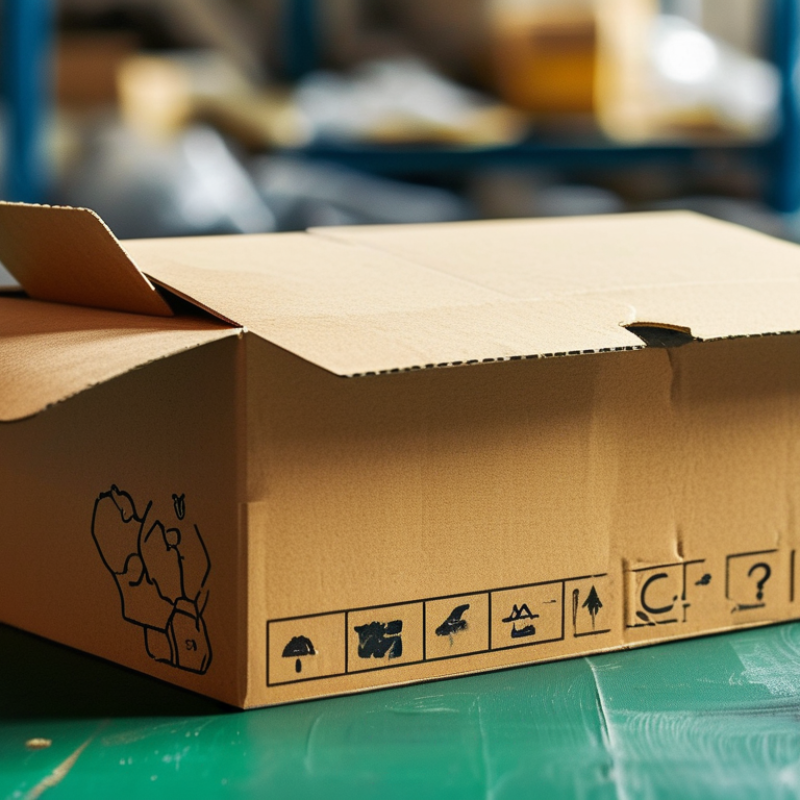
Plastic packaging manufacturing has a significant environmental impact. The process often involves energy-intensive methods and generates substantial waste. Assessing this impact can lead to better strategies for waste reduction. Companies must evaluate their materials and production methods to minimize environmental harm.
Tips: Consider switching to biodegradable materials. These can reduce plastic waste significantly. A smaller carbon footprint is possible with renewable energy sources in manufacturing processes. Regular audits of production practices can reveal areas needing improvement.
Identifying wasteful practices is crucial. Many manufacturers generate scrap during production. Implementing recycling programs can reclaim some of this material. It’s essential to analyze the entire lifecycle of plastic products. Without a comprehensive approach, efforts may fall short.
Continuous learning and adaptation are necessary to refine these processes.
When it comes to reducing waste in plastic packaging manufacturing, identifying key areas in production processes is crucial. One significant area is the raw materials stage. Many manufacturers rely on traditional plastics that generate excessive scrap during processing. Switching to alternative materials or optimizing material use can minimize waste generation. Techniques like extrusion and molding can also be fine-tuned to reduce off-cuts and surplus.
Another area ripe for improvement is energy consumption during the manufacturing phase. Inefficient machinery often leads to higher waste outputs. Investing in more efficient equipment or retrofitting existing machinery can help reduce energy waste while improving overall performance. Regular maintenance and updates are essential, yet often overlooked.
Employee training and awareness also play a vital role. Workers should understand the importance of reducing waste during every step. However, achieving full engagement is challenging, as not every team member grasps the long-term impact. This gap in understanding can hinder overall waste reduction efforts. Addressing these concerns is necessary for a more sustainable manufacturing process.
The shift towards sustainable materials in plastic packaging is crucial. According to a report by Smithers, the global market for sustainable packaging is projected to reach $600 billion by 2024. This growing demand urges manufacturers to explore alternatives that reduce environmental impact.
One notable alternative is bio-based plastics. These materials, derived from renewable resources, can significantly lower carbon footprints. A study showed that using bioplastics can reduce greenhouse gas emissions by up to 60% compared to conventional plastics. However, challenges remain. The scalability of bioplastics for large-scale production is still under discussion. Additionally, end-of-life disposal methods need further development.
Recycled materials also present a viable option. The recycling rate for plastics is only 9% globally, as reported by the World Economic Forum. While incorporating recycled content improves sustainability, sourcing quality recycled materials proves difficult. Companies must invest in technology to enhance the recycling process. Exploring innovative partnerships could help tackle these hurdles.
In today's eco-conscious market, optimizing supply chain logistics is vital to reducing waste in plastic packaging manufacturing. Companies can start by examining their transportation methods to identify inefficiencies. Using smarter routing and more efficient vehicles can minimize emissions and reduce the amount of plastic needed for packaging. Each detail counts, from load optimization to route management, significantly impacting the overall waste generated.
Another area to focus on is collaboration with suppliers. Building strong partnerships can lead to more effective use of materials. Shared data on usage and demand can prevent overproduction, which often results in excess packaging waste. Transparent communication between all parties helps in finding alternative materials that may be more sustainable or even reusable.
However, these changes do not come without challenges. Transitioning to a more efficient supply chain requires investment and training. Not all companies may have the resources or experience to implement these changes smoothly. Reflecting on current practices and inviting feedback can pave the way for continuous improvement. Understanding that progress can be uneven is vital to the journey towards waste reduction in plastic packaging.
The concept of a circular economy is vital in reducing waste within plastic packaging manufacturing. This approach emphasizes designing products with their entire lifecycle in mind. By using recyclable materials, manufacturers can minimize plastic waste and promote a sustainable cycle. For example, a shift toward biodegradable plastics can help reduce landfill overflow.
Implementing circular economy practices involves collaboration across sectors. Designers, manufacturers, and recyclers need to work together. They can create systems that support the reuse and recycling of materials. When packaging is easy to disassemble, it encourages recycling. However, many companies still use complex materials that complicate these efforts.
A practical solution is to focus on innovative designs. This can mean reducing the amount of plastic used in packaging. Simple changes, like minimizing layers or creating refillable containers, show promise. But, challenges remain. The shift to a circular economy requires time and investment. It’s not just about reducing materials; it’s about rethinking the entire approach to packaging design. Each step taken is a move toward a more sustainable future, even if the path is not yet perfect.
: Bio-based plastics can significantly lower carbon footprints and reduce greenhouse gas emissions by up to 60%.
Scalability for large-scale production and the need for improved disposal methods are still under discussion.
The global recycling rate for plastics is only 9%, which demonstrates a significant area for improvement.
Investing in technology and exploring innovative partnerships can help source quality recycled materials effectively.
Optimizing logistics can minimize waste and emissions in the plastic packaging manufacturing process.
Companies should focus on smarter routing, efficient vehicles, and load optimization to minimize material use.
Strong partnerships allow for better material usage and help prevent overproduction, reducing excess waste.
Transitioning may require significant investment, training, and resources that not all companies possess.
Reflecting on current practices and inviting feedback can lead to better waste reduction strategies.
Progress can be uneven, and understanding this is crucial to the journey toward waste reduction.
Reducing waste in plastic packaging manufacturing is crucial for minimizing environmental impact and promoting sustainability. To achieve this, companies can begin by assessing the environmental effects of their production processes, specifically identifying key areas where waste is generated. By understanding these factors, manufacturers can implement strategies to reduce waste in plastic packaging manufacturing more effectively.
Moreover, adopting sustainable material alternatives and optimizing supply chain logistics are essential steps in this journey. Transitioning to eco-friendly materials can significantly lower waste levels, while efficient logistics can minimize excess packaging and waste generation. Finally, embracing circular economy practices in plastic packaging design ensures that materials are reused and recycled, closing the loop and further contributing to waste reduction efforts. This holistic approach will not only benefit the environment but also enhance the overall sustainability of the packaging industry.

Rocket Packaging