In today's fast-paced logistics landscape, businesses face significant challenges in bulk storage. Efficient stacking is crucial to maximize space and ensure safety. To succeed, companies must prioritize how to optimize stacking stability for bulk storage and logistics. Such optimization reduces risks of collapse and damage, ultimately saving costs.
The complexity of bulk storage requires strategic planning and innovative solutions. Businesses must assess the types of materials stored and their weight distribution. Suboptimal stacking methods can lead to serious issues. A stable stack not only improves storage capacity but also facilitates easier handling during logistics operations.
Moreover, understanding the dynamics of stacked goods is vital. Simple adjustments can enhance stability. This involves proper use of materials and equipment. Companies often overlook this aspect, which can lead to inefficiencies. To navigate these challenges effectively, organizations need to invest in training and technology. The goal should be to create a reliable and efficient stacking system.
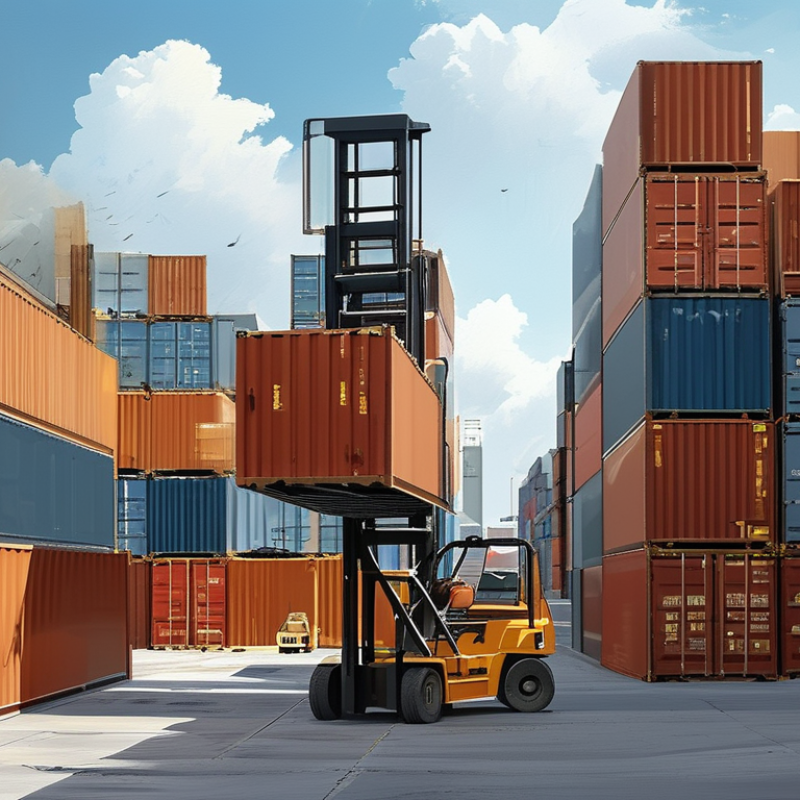
In the realm of bulk storage systems, stacking stability plays a pivotal role. A recent report by the Material Handling Industry (MHI) highlighted that improper stacking can lead to up to 30% of inventory loss. This statistic emphasizes the need for effective stacking solutions. A well-designed system enhances safety and efficiency, reducing incidents of accidents or product damage.
Stacking stability depends on various factors, including load distribution and proper equipment use. Studies indicate that 70% of storage-related accidents occur due to unstable stacks. For instance, pallets that are not properly aligned can cause costly disruptions in supply chains. Implementing training for workers can mitigate these risks, ensuring that they understand proper stacking techniques.
Furthermore, the impact of stacking stability extends beyond immediate safety. It influences the overall operational efficiency of logistics solutions. Research shows that companies with optimized stacking stability can reduce storage costs by up to 15%. However, many organizations overlook the importance of routine evaluations. Regular assessments can identify weaknesses, leading to improved practices. Stable stacking is not just a safety measure; it's a critical component of successful bulk storage management.
| Storage Type | Stacking Height (meters) | Load Capacity (kg) | Material Type | Stability Rating (1-5) |
|---|---|---|---|---|
| Pallet Storage | 3 | 1500 | Wood | 4 |
| Bin Storage | 2 | 1000 | Plastic | 5 |
| Drum Storage | 1.5 | 200 | Metal | 3 |
| Shelf Storage | 2.5 | 600 | Steel | 4 |
: Stacking stability refers to how securely items are stacked during storage and logistics, impacting safety and efficiency.
Weight distribution significantly impacts stacking stability. Uneven weight can lead to collapses and damage in stacks.
High-quality, durable materials resist shifting during handling, enhancing stacking stability in logistics operations.
Temperature and humidity can degrade materials, leading to increased product damage if not managed properly.
Proper training helps reduce risks associated with mismanaged stacks. Many companies fail in this area.
Using wider bases and placing heavier items at the bottom can effectively improve load capacity and stability.
Regular inspections can catch shifts or imbalances. Also, avoid overcrowding to maintain proper weight distribution.
Following regulatory standards ensures safety and prevents accidents, addressing common mistakes in stacking practices.
Encourage employees to report stacking issues and review procedures regularly to maintain safety awareness.
Inspect the stacks immediately and make necessary adjustments to prevent potential failures or accidents.
Optimizing stacking stability for bulk storage and logistics is crucial for enhancing safety and efficiency in supply chain operations. This article assesses the importance of stacking stability, highlighting key factors that influence stability in logistics operations, such as load distribution and environmental conditions. Effective design strategies can significantly improve load capacity and stability, ensuring that bulk storage systems are resilient against potential hazards.
Furthermore, adherence to regulatory standards and best practices is essential for maintaining safety in bulk storage environments. The incorporation of technological innovations for monitoring and managing stacking stability can proactively address stability challenges, allowing for real-time assessments and adjustments. By implementing these strategies and leveraging advanced technologies, organizations can optimize stacking stability, ultimately leading to improved operational performance and risk mitigation in bulk storage and logistics.

 Rocket Packaging