Why Optimize Barrier Performance Against Oxygen and Moisture?

Time:2026-06-13 Author:Ethan
0%

The quest to "optimize barrier performance against oxygen and moisture" is crucial in various industries, particularly packaging and food preservation. Experts, like Dr. Emily Chen of the Barrier Technologies Institute, emphasize the significance of this optimization. She states, "Improving barrier films can drastically extend product life." This insight reflects the growing need to mitigate the effects of oxygen and moisture on product quality.

In today's competitive market, companies face pressure to enhance product longevity and safety. Packaging that fails to protect against oxygen and moisture can lead to spoilage and waste. For instance, food products that degrade too quickly lead to financial losses and lost customer trust. Yet, as the technology evolves, not all solutions meet expectations. Flaws still exist in current materials, prompting the industry to rethink approaches.

Striking a balance between barrier performance and cost-efficiency remains a challenge. Many businesses find themselves questioning existing methods. The need for robust yet affordable solutions is clear. Therefore, the focus on optimizing barrier performance against oxygen and moisture is not just a trend—it is essential for sustainability and quality assurance in modern manufacturing.
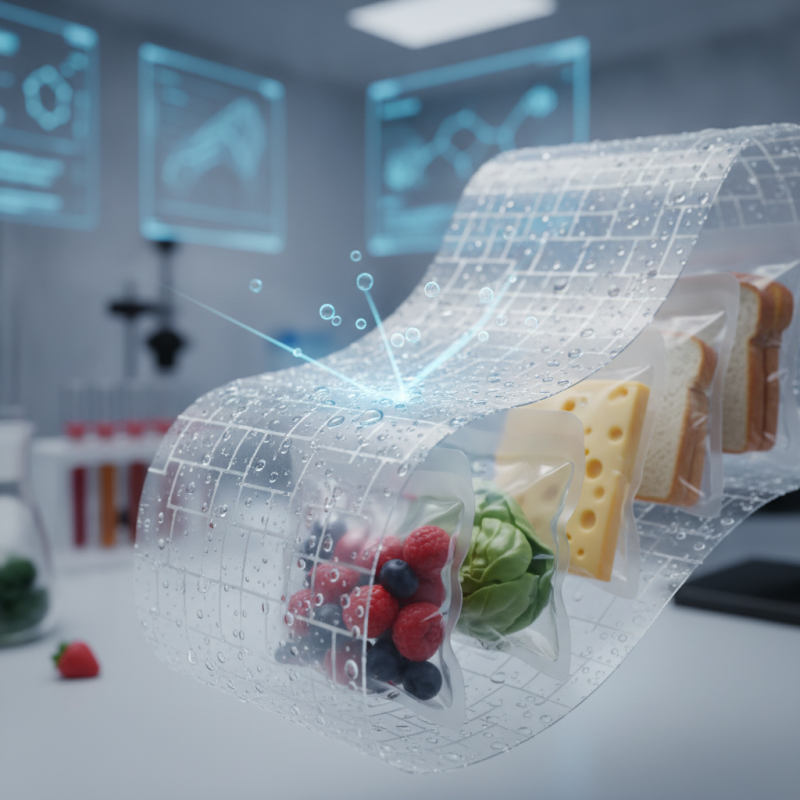
Why Optimize Barrier Performance Against Oxygen and Moisture?

Understanding the Role of Barrier Performance in Packaging

Barrier performance in packaging is crucial for preserving product integrity. It primarily protects against oxygen and moisture, which can compromise quality. Research indicates that about 50% of packaged food spoilage results from weak barrier properties. Effective packaging minimizes exposure to these elements, extending shelf life significantly.

One study shows that improving barrier performance can enhance product longevity by up to 300%. This statistic highlights the need for robust packaging solutions. However, achieving optimal barrier performance requires ongoing evaluation and refinement. Not all materials will perform equally under various conditions.

**Tip:** Regularly test packaging materials to ensure they meet required barrier standards.

Another consideration is that consumer demand for sustainable packaging is growing. Many innovative materials now balance barrier performance with eco-friendliness. Companies must continually assess the trade-off between sustainability and performance. Adopting new technologies can be challenging but necessary for staying competitive.

**Tip:** Invest in research to explore emerging materials with superior barrier properties.

Why Optimize Barrier Performance Against Oxygen and Moisture? - Understanding the Role of Barrier Performance in Packaging

Packaging Type Oxygen Barrier (cm³/m²/day) Moisture Barrier (g/m²/day) Shelf Life (Months) Applications
Flexible Plastic Films 1.5 3.0 6 Snack Foods, Vegetables
Glass Containers 0.0 0.1 24 Beverages, Sauces
Metal Cans 0.1 0.2 12 Canned Foods, Beverages
Rigid Plastic Containers 0.5 1.0 9 Dairy Products, Ready Meals
Composite Packaging 0.3 0.5 18 Frozen Foods, Vacuum Packs

The Impact of Oxygen on Product Shelf Life and Quality

Oxygen is a silent enemy for many products, particularly in the food industry. It can cause oxidation, leading to off-flavors and lost nutrients. This degradation often shortens shelf life, making it critical for manufacturers to consider barrier performance. By optimizing packaging against oxygen, companies protect product quality. Innovative materials can significantly reduce oxygen transfer rates, preserving freshness.

Moisture also plays a pivotal role in product degradation. Exposure to moisture can promote mold growth or spoilage. A delicate balance is necessary; excess moisture can ruin a product just as easily as too little. Creating a barrier that effectively controls both oxygen and moisture is a complex challenge. Testing different materials can reveal unexpected results. It’s not just about finding a perfect solution; iterative improvement is key.

Packaging must evolve alongside changing consumer behaviors and environmental conditions. The quest for the ideal barrier requires ongoing research and development. The stakes are high, as quality issues can lead to product recalls or dissatisfied customers. Businesses must reflect on current practices. It’s essential to keep questioning what works and what doesn’t. In a world of constant change, understanding the impact of oxygen and moisture is vital for maintaining product integrity.

Moisture Barrier Properties: Importance and Applications

Moisture barrier properties are crucial in various industries. These properties determine how well materials resist water vapor and liquid. Effective moisture barriers protect products from degradation and ensure longevity. They are essential in packaging, electronics, and construction. A well-designed barrier can significantly enhance shelf life and performance.

When selecting materials, consider the specific application. Different environments require different barrier strengths. For food packaging, the barrier should limit moisture to maintain freshness. In electronics, moisture can lead to malfunctions and corrosion. An inadequate barrier can cause product failure.

Tips: Test materials under real conditions. This will offer insights that theoretical data can't provide. Always remember that improving moisture barriers can be a trial-and-error process. Make adjustments based on performance evaluations. Constant iteration drives product improvement and satisfaction. Moreover, occasionally re-evaluate the barriers, as environments change.

Moisture Barrier Properties: Importance and Applications

Techniques for Enhancing Barrier Performance

Enhancing barrier performance against oxygen and moisture is crucial for many applications. These elements can degrade the quality of products, especially in packaging. When materials allow oxygen or moisture to permeate, it can lead to spoilage or loss of effectiveness. Improving these barriers can extend shelf life and maintain product integrity.

One common technique involves the use of multi-layered films. These films combine different materials, each addressing specific barrier properties. For instance, a layer designed to block moisture can work alongside another that minimizes oxygen transfer. This innovative approach can significantly enhance overall performance. While exciting, it poses challenges. Not all combinations yield the intended results. Continuous testing is necessary to find the best configurations.

Coatings are another method to improve barrier properties. Coatings can be applied to substrates to provide an additional layer of protection. They can be adjusted for humidity resistance or oxygen imperviousness. However, selecting the right coating material requires expertise. Not all coatings perform well under varying environmental conditions. Researchers and manufacturers must be vigilant in evaluating effectiveness. Trial and error might be essential in finding optimal solutions. The complexity of these techniques highlights the need for ongoing research and development.

Evaluating Barrier Materials: Standards and Testing Methods

Barrier materials are crucial in protecting products from oxygen and moisture intrusion. Evaluating these materials involves rigorous testing methods that adhere to industry standards. Specific testing standards, such as ASTM F1249 and ISO 15106, provide guidelines for measuring moisture vapor transmission rates. Such metrics help assess how well a material can prevent moisture from penetrating a package. According to a report from the Packaging Association, optimal barrier performance can extend the shelf life of sensitive products by up to 50%.


In addition, oxygen permeability plays a vital role in food preservation. Studies indicate that materials with low oxygen transmission rates can significantly reduce spoilage. A study published by the Institute of Packaging Professionals found that high-quality barrier films can reduce oxidation rates by 80%. However, not all materials meet these stringent requirements. Many products still fall short in real-world applications, leading to quality concerns.


Understanding the testing methods is essential. Facilities must adhere to specified protocols to ensure reliable results. Even small deviations can lead to misleading conclusions. Regular audits of testing procedures are recommended to avoid complacency. Consistency in testing methods reinforces the credibility of the materials used. Investing in quality evaluation processes is becoming increasingly important for manufacturers striving to meet consumer expectations.

FAQS

: What impact does oxygen have on product quality?

: Oxygen causes oxidation, leading to off-flavors and nutrient loss. This shortens product shelf life significantly.

Why is moisture control important in packaging?

Moisture can promote spoilage and mold growth. Both excess and insufficient moisture can damage a product.

How do packaging materials protect against oxygen?

Optimizing packaging materials can create effective barriers that limit oxygen transfer, preserving product freshness.

What factors should be considered when selecting barrier materials?

The specific application and environmental conditions dictate the required barrier strength for effective protection.

How can manufacturers improve moisture barrier effectiveness?

Regular testing under real conditions and iterative adjustments based on evaluations can enhance barrier performance.

Why is ongoing research and development necessary for packaging?

Evolving consumer behaviors and environmental conditions require continuous improvements in packaging technologies.

What role do testing standards play in evaluating barrier materials?

Standards provide guidelines for measuring moisture vapor transmission and oxygen permeability to ensure reliable product performance.

What challenges do manufacturers face with barrier materials?

Many materials may not meet stringent testing requirements in real-world applications, leading to quality issues.

How can businesses reflect on their packaging practices?

Regularly questioning current methods and seeking feedback can identify areas for improvement and innovation.

Why is it essential to re-evaluate barrier materials over time?

Changes in environment and consumer preferences necessitate checking and adjusting barrier properties for optimal performance.

Conclusion

Optimizing barrier performance against oxygen and moisture is crucial for extending the shelf life and maintaining the quality of packaged products. Packaging plays a significant role in protecting contents from external factors, notably oxygen and moisture, which can lead to degradation, spoilage, and reduced efficacy. Understanding the specific properties of barrier materials related to these elements is essential for selecting suitable packaging solutions.

Techniques for enhancing barrier capabilities include the advancement of material science and the use of innovative coatings. Evaluating barrier materials through established standards and testing methods ensures effective performance. By focusing on the optimization of barrier performance against oxygen and moisture, manufacturers can significantly improve product longevity and consumer satisfaction, ultimately leading to better market outcomes.

Ethan

Ethan

Ethan is a seasoned marketing professional with a deep expertise in our company's innovative product line. With a passion for sharing knowledge and insights, he takes the lead in regularly updating our corporate blog, where he explores industry trends, product features, and effective marketing......