Why Improve Refillability and Reusability of Plastic Containers?

Time:2026-06-16 Author:Charlotte
0%

In today's environmental landscape, the emphasis on sustainability is more pressing than ever. Experts agree on the urgency to "Improve refillability and reusability of plastic containers." Sarah Thompson, a renowned environmental scientist, stated, "We must rethink our plastic consumption to create a sustainable future." Her insight underscores the importance of rethinking how we use plastic.

Plastic containers dominate the market but lack effective refill and reuse systems. Everyday consumers encounter single-use plastics, contributing to pollution and waste. Addressing this challenge is essential for environmental health. Current systems often fail to incentivize users for returning or reusing containers, resulting in a linear economy rather than a circular one.

However, achieving better refillability and reusability is not an easy task. Companies face obstacles, such as cost implications and consumer acceptance. Finding a balance between convenience and sustainability is critical. The journey ahead is complicated, yet the potential rewards are immense. Improving refillability and reusability can transform our relationship with plastic, leading to a more sustainable future.
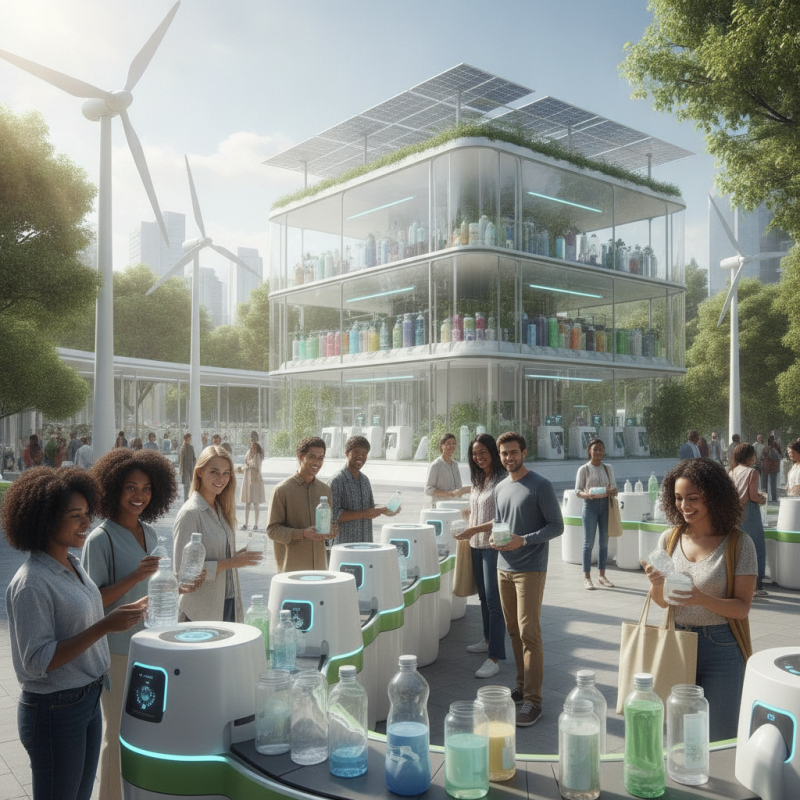
Why Improve Refillability and Reusability of Plastic Containers?

The Importance of Refillability in Reducing Plastic Waste Trends

The issue of plastic waste continues to escalate, raising urgent concerns. According to a report from the Ellen MacArthur Foundation, approximately 300 million tons of plastic are produced annually, with only 9% recycled. This stark statistic underscores the need for alternatives. One effective strategy is enhancing the refillability of plastic containers. Refillable containers can reduce single-use plastic significantly. They encourage consumers to reuse, thus minimizing waste.

Furthermore, a study by the World Economic Forum indicates that implementing refillable systems can reduce plastic production by 66 million tons by 2025. This shift not only lessens environmental impact but also promotes sustainable consumer habits. However, challenges remain. The adoption of refillable models requires infrastructure investments and consumer education. Many consumers still prefer convenience over sustainability.

There’s also a growing awareness of the need for robust systems that support refilling. Reports show that 58% of consumers are interested in refill stations near their homes, yet availability remains limited. This disconnect highlights the gap between consumer interest and real-world initiatives. Improving refillability involves creating more accessible refill stations, educating consumers, and redesigning packaging systems. Fostering this transition is crucial for a sustainable plastic future.

Why Improve Refillability and Reusability of Plastic Containers? - The Importance of Refillability in Reducing Plastic Waste Trends

Dimension Data
Annual Global Plastic Waste (million tons) 300
Percentage of Refillable Plastic Containers 30%
Reduction in Plastic Waste with Increased Refillability (%) 25%
Cost Savings from Reusable Containers (per household per year) $150
User Adoption Rate of Refillable Containers (%) 45%
Projected Growth in Refillable Container Market (next 5 years, %) 40%

Statistics on Plastic Waste Generation and Recycling Rates Globally

Plastic waste is a pressing global issue. Statistics reveal that millions of tons of plastic are generated each year. For instance, in 2020 alone, over 300 million tons of plastic were produced. The majority of this plastic ends up in landfills or the ocean, causing significant environmental harm. It is estimated that only 9% of plastic waste ever gets recycled. This alarming figure highlights the urgent need for solutions.

Improving refillability and reusability of plastic containers can transform this trend. By designing containers that can be reused, we decrease the amount of new plastic that needs to be produced. Many people are unaware of how much plastic they use daily. Simple actions like refilling a water bottle can lead to a considerable reduction in waste. This shift requires action from consumers and manufacturers alike.

Current recycling systems often struggle to keep up with plastic waste. Many materials are not recyclable, leading to frustration. Even when plastic is collected, many facilities lack the capacity to process it effectively. Encouraging refillable options could alleviate pressure on recycling systems. A collective effort is needed to change behaviors and improve waste management practices.

Global Plastic Waste Generation and Recycling Rates

This bar chart illustrates the global annual metrics related to plastic waste, including generation, recycling, landfilling, and incineration. As shown, a significant amount of plastic waste is generated each year, highlighting the urgency for improvements in refillability and reusability strategies to promote better waste management practices.

Economic Benefits of Reusable Containers for Consumers and Businesses

The economic benefits of reusable containers are significant for both consumers and businesses. According to a study by the Ellen MacArthur Foundation, switching to reusable containers can reduce packaging costs by up to 30%. This shift not only cuts expenses but also attracts eco-conscious consumers. Businesses that adopt reusable strategies can enhance their brand reputation and customer loyalty.

For individual consumers, using reusable containers can lead to savings on groceries and other essentials. The U.S. Environmental Protection Agency estimates that an average family can save $300 annually by opting for reusable containers instead of single-use options. The more we reuse, the less we spend, consolidating financial and environmental goals.

Tips: Consider starting with small steps. Begin by replacing a few plastic containers with reusable alternatives. This not only helps the environment but also builds a habit of sustainability. Assess your local services; some offer deposits for returns on reusable containers, creating added financial incentives.

Embracing refillable and reusable container systems remains a challenge. Some consumers may find it inconvenient. Others might question the hygiene of reused containers. However, education around cleaning and handling practices can mitigate these concerns, reinforcing their practicality and benefit.

Environmental Impact of Improved Refillability on Carbon Footprint

Improving the refillability and reusability of plastic containers holds significant promise for minimizing our carbon footprint. Traditional single-use plastics contribute heavily to global pollution. When we choose refillable systems, we not only reduce waste but also lower the emissions associated with producing new containers. Studies suggest that extending the life cycle of a plastic container by just a few refills can lead to a remarkable decrease in carbon output.


Transitioning to refillable systems isn't always straightforward. There are challenges like supply chains and consumer habits. Additionally, not all plastic types are suitable for frequent refilling. It's essential to engage with local communities to foster a culture of reuse. Encouraging behaviors like returning empty containers can be key. This grassroots approach can yield significant environmental benefits over time.


Tips: Start small by switching to refillable options for household products. Look for local refill stations in your area. Consider organizing community refill events to educate others. Every small effort counts towards a larger goal of sustainability. By rethinking our consumption patterns, we can pave the way for a healthier planet.

Case Studies of Successful Refill Programs in Various Industries

Refillable and reusable plastic containers are becoming crucial in various industries. Recent data shows that refill programs can significantly reduce waste. For instance, a report from the Ellen MacArthur Foundation states that switching to reuse systems could cut plastic pollution by 80% by 2040. This statistic highlights the urgency for companies to adopt sustainable practices.

In the beverage industry, companies like those leading refillable bottle initiatives have demonstrated success. A study detailed in the “Journal of Cleaner Production” illustrates that reusable bottles can save up to 58% in carbon emissions compared to single-use containers. However, these strategies often encounter logistical challenges. The infrastructure needed for effective refilling remains underdeveloped in several regions.

The personal care sector also offers insights. Some brands have launched refill stations in stores, allowing customers to bring in used containers. While this has increased engagement, not all consumers are ready to embrace the change. Awareness campaigns are essential for driving acceptance. Current industry reports suggest that achieving a 30% refill rate requires continuous education and innovation in the refill systems.

FAQS

: Why is refillability important for reducing plastic waste?

: Refillable containers significantly decrease single-use plastic, promoting reuse and minimizing waste.

What are the statistics on global plastic production and recycling?

Over 300 million tons of plastic are produced annually, with only 9% recycled.

How can refillable systems impact plastic production by 2025?

Implementing refillable systems could reduce plastic production by 66 million tons.

What challenges do refillable models face?

They require infrastructure investments and consumer education, as many prefer convenience.

Are consumers interested in refill stations?

Yes, 58% of consumers want refill stations near their homes, but availability is often limited.

What needs to be improved for better refillability?

More accessible refill stations, consumer education, and redesigned packaging systems are essential.

How does current recycling struggle with plastic waste?

Many plastics aren't recyclable, and facilities often can't process collected materials effectively.

What small actions can individuals take to reduce plastic waste?

Simple actions like refilling a water bottle can lead to significant waste reduction.

What can consumers do to help improve plastic waste management?

A collective effort to change behaviors and support refillable options is necessary.

What is a startling fact about plastic waste recycling?

An alarming 91% of plastic waste is never recycled, emphasizing the need for action.

Conclusion

Improving refillability and reusability of plastic containers is crucial in addressing the growing concerns of plastic waste. With alarming statistics showing increasing levels of plastic waste generation and low recycling rates globally, enhancing these attributes can significantly contribute to reducing environmental impact. By focusing on refillable systems, industries can not only decrease their carbon footprint but also offer economic benefits to consumers and businesses alike. Case studies from various sectors demonstrate that successful refill programs not only promote sustainability but also achieve cost savings and foster consumer loyalty.

Incorporating refillable and reusable strategies leads to a more circular economy, where products are designed to be used multiple times, thereby reducing reliance on single-use plastics. As stakeholders across different industries recognize the advantages of initiatives to improve refillability and reusability of plastic containers, the potential for significant change becomes evident, paving the way for a healthier planet and smarter economic practices.

Charlotte

Charlotte

Charlotte is a seasoned marketing professional with a deep understanding of the company's portfolio and a passion for elevating its presence in the market. With a keen eye for detail and a commitment to excellence, she ensures that our professional blog is regularly updated with insightful articles......