As the global demand for sustainable packaging grows, industries must take responsibility. One pressing issue in this effort is how to improve recyclability of food and beverage plastic bottles. These bottles contribute significantly to environmental pollution. They often end up in landfills or oceans, posing threats to wildlife and ecosystems.
Innovative practices and efficient recycling technologies can make a considerable difference. Engaging consumers is also vital. They must understand the importance of proper disposal and recycling. Current recycling rates remain disappointingly low. Many people are unaware of the recycling process or the importance of cleanliness before recycling.
The challenge lies not only in technology but in behavior. We need to rethink how these bottles are designed and used. Collaboration among manufacturers, consumers, and governments is essential. By working together, we can find effective solutions. This will ensure a sustainable future while addressing the pressing issue of plastic waste. The journey ahead requires thoughtful reflection and commitment from all stakeholders.
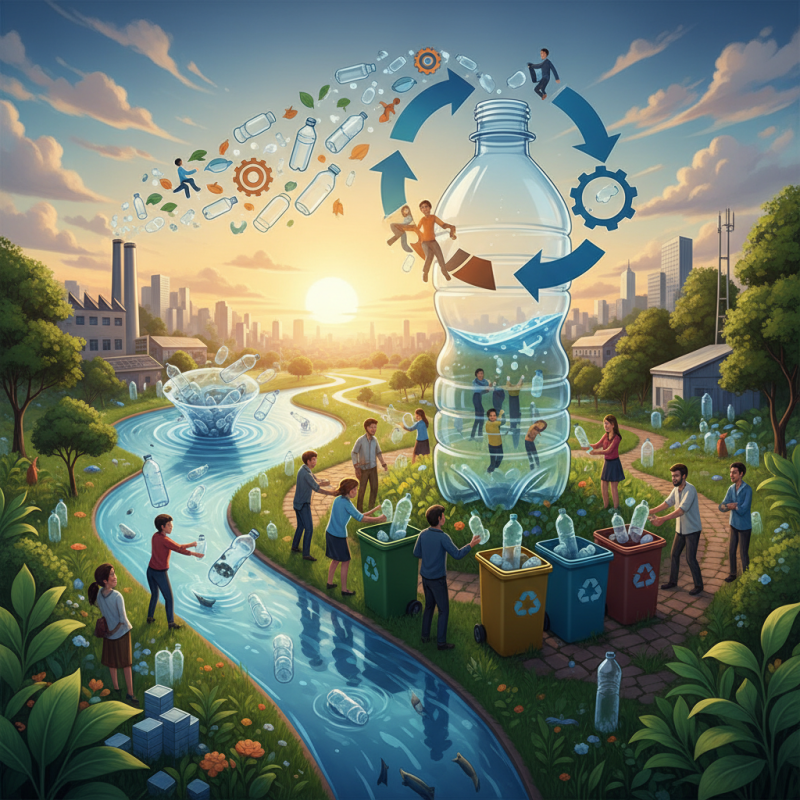
Recyclability of food and beverage plastic bottles faces significant obstacles. Many consumers are unaware of the correct recycling procedures. Some bottles are made from mixed materials, complicating the recycling process. Labels and adhesives often prevent recyclers from processing bottles efficiently. This lack of knowledge and material inconsistency leads to lower recycling rates.
Additionally, contamination is a major issue. Food residues can make bottles unfit for recycling. Even a small amount can taint an entire batch. This results in higher costs for recycling facilities. Proper education on cleaning and sorting could improve the situation.
Moreover, not all plastic types are equally recyclable. Some materials are more easily processed than others. This discrepancy creates confusion for consumers. As more products enter the market, recyclable options become fewer. A coordinated effort to standardize materials could be valuable. Without such initiatives, the recycling system may continue to falter.
Innovative materials play a crucial role in enhancing the recyclability of plastic bottles. Traditional plastics often pose challenges in recycling due to their chemical structure. New materials, such as bio-based plastics, provide a promising alternative. These materials can decompose more easily and reduce landfill waste. Researchers are increasingly exploring these options for better disposal methods.
Tips: Look for bottles made from recycled materials. This practice encourages a circular economy. Check for local recycling guidelines. Not all plastics are accepted in every region. The right information makes a significant difference.
Another area of innovation is the use of additives that improve recycling compatibility. These additives can be blended into traditional plastics. They help improve the quality of recycled materials. However, it’s essential to monitor their effects on the recycling process carefully. Some additives may complicate the recycling stream.
Tips: Rinse your bottles before recycling. Contamination can lead to issues during processing. Consider how you store plastic bottles. Stacking them correctly before recycling can save space and improve efficiency.
| Material Type | Recyclability Rating | Innovative Solution | Environmental Impact | Notes |
|---|---|---|---|---|
| Polyethylene Terephthalate (PET) | High | Recycled PET (rPET) usage | Reduces virgin plastic demand | Widely accepted in recycling programs |
| High-Density Polyethylene (HDPE) | Moderate to High | Bio-based HDPE alternatives | Lower carbon footprint | Cost-effective and durable |
| Polypropylene (PP) | Moderate | Increased sorting technology | Enhances recovery rates | Often contaminated; needs better facilities |
| Polylactic Acid (PLA) | Low to Moderate | Compostable options | Biodegradability in proper conditions | Requires industrial composting |
| Polyvinyl Chloride (PVC) | Low | Reformulation to reduce additives | Less toxic recycling potential | Limited recycling options available |
Recyclability of food and beverage plastic bottles can be significantly enhanced through thoughtful design modifications. Simplifying the materials used in bottle construction is one effective approach. For instance, limiting the number of different plastics can make sorting easier for recycling facilities. Additionally, using single-material bottles promotes a more efficient recycling process.
Consider the labels and adhesives on bottles. Many adhesives are difficult to remove during recycling, contaminating the process. Using water-soluble labels can alleviate this issue. These labels break down in the recycling stream, leaving the plastic intact and pure for reprocessing.
Tips: Opt for simple designs that prioritize functionality. Aim for clearer labeling to help consumers identify recyclable components. Always consult recycling guidelines in your locality. They provide specific details on what can be recycled and how to prepare items for collection. Seeking feedback from recycling experts can also uncover potential improvements.
Be aware that not all plastic types are recyclable. Certain blends might require specialized facilities, which may not be accessible everywhere. This discrepancy can lead to confusion, impacting overall recycling rates. Addressing these gaps in information is crucial for effective recycling initiatives. An informed community is a sustainable community.
Consumer education plays a vital role in improving the recyclability of plastic bottles. Many users recycle, but they lack awareness of proper practices. Engaging consumers with clear guidance can make a difference. Simple steps can empower individuals to recycle effectively, reducing waste and conserving resources.
Tips:
The recyclability of food and beverage plastic bottles hinges heavily on effective policies and regulations. According to a recent report from the Ellen MacArthur Foundation, only 14% of plastic packaging is recycled globally. This dismal statistic underscores the need for comprehensive policies that encourage recycling and reduce waste.
Governments play a crucial role in setting the frameworks for recycling systems. Extended Producer Responsibility (EPR) is one approach that mandates manufacturers to manage their products post-consumer use. In countries implementing EPR, recycling rates have improved significantly. For instance, in Europe, countries with EPR systems report recycling rates above 50%. However, these systems often face challenges, such as lack of compliance and insufficient collection infrastructure.
Additionally, regulations that promote the use of recycled materials in new products are vital. The European Parliament has proposed legislation requiring clear labeling of recycled content on plastic products. This initiative can drive demand for recyclables. Still, there is a gap in public awareness. Many consumers remain uninformed about how to properly recycle. Addressing this knowledge gap is essential for any successful recycling strategy. New policies must not only enhance the systems but also educate the public.
: Traditional plastics have complex chemical structures, making them difficult to process in recycling facilities.
Bio-based plastics are promising alternatives. They decompose more easily and contribute to reducing landfill waste.
Always rinse out bottles. Contamination can cause significant issues during the recycling process.
Simplifying the materials and using single-material designs make sorting easier and improve recycling efficiency.
Not all plastics are accepted in every region. Some require specialized facilities, leading to confusion.
Additives can improve compatibility with recycling but may complicate the process if not monitored carefully.
Always check local recycling guidelines. They provide details on what can be recycled and preparation methods.
Educating consumers helps them understand proper recycling practices. This knowledge reduces waste and conserves resources.
Workshops, community events, and visual aids can effectively educate consumers about recycling practices.
Regular reminders keep recycling at the forefront of consumers’ minds, promoting better recycling behaviors over time.
Improving the recyclability of food and beverage plastic bottles is crucial in addressing the growing environmental concerns associated with plastic waste. Current challenges include the complexity of materials used in manufacturing these bottles, which often complicates the recycling process. Innovative materials that enhance recyclability are emerging, providing alternatives that can simplify sorting and processing. Additionally, design modifications, such as reducing the use of mixed materials and incorporating easily recyclable components, play a vital role in facilitating recycling efforts.
Consumer education and engagement are essential in promoting effective recycling practices, as informed consumers are more likely to participate actively in recycling programs. Furthermore, supportive policies and regulations are necessary to incentivize sustainable practices among manufacturers and consumers alike. By focusing on these areas, we can significantly improve the recyclability of food and beverage plastic bottles, ultimately contributing to a more sustainable future.

Rocket Packaging