Top 10 Ways to Improve Hygiene in Food Packaging Production?

Time:2026-06-26 Author:Aria
0%

In the food packaging industry, maintaining hygiene is crucial. Recent studies reveal that contamination in food packaging can lead to a 20% increase in foodborne illnesses. This alarming statistic underscores the importance of implementing effective strategies to improve hygiene and cleanliness in food packaging production. Experts emphasize that enhanced cleaning protocols and better materials can significantly reduce risks.

Dr. Sarah Thompson, a noted authority in food safety, states, "Inadequate hygiene practices can compromise food integrity." Her perspective highlights the necessity of rigorous protocols. The food packaging sector is evolving, yet many producers still struggle with compliance and best practices. Observing proper hygienic criteria is not just a regulatory requirement, but also a commitment to health and safety.

Despite advancements, many companies still overlook basic hygiene principles. A survey indicated that 30% of manufacturers admit to occasional lapses in cleanliness, which raises concerns for food safety. Addressing these shortcomings is imperative for progress. Improving hygiene and cleanliness in food packaging production should be prioritized by all industry stakeholders to protect consumers and ensure product quality.
Top 10 Ways to Improve Hygiene in Food Packaging Production?

Understanding the Importance of Hygiene in Food Packaging Production

In the food packaging industry, hygiene is crucial. A recent report by the Food and Drug Administration indicated that foodborne illnesses affect 48 million people annually in the U.S. alone, underscoring the dire consequences of poor hygiene practices. Contaminated packaging can transfer harmful bacteria to food products. Thus, maintaining high hygiene standards is essential for consumer safety.

Regular training for staff is vital. Employees should be aware of hygiene practices and their importance. A study from the World Health Organization highlighted that proper training can reduce contamination rates by up to 40%. Additionally, equipment should be routinely sanitized to prevent bacterial growth. Using non-porous materials for packaging can further minimize contamination risks. Transparent materials allow for quick inspections, ensuring consistent hygiene checks.

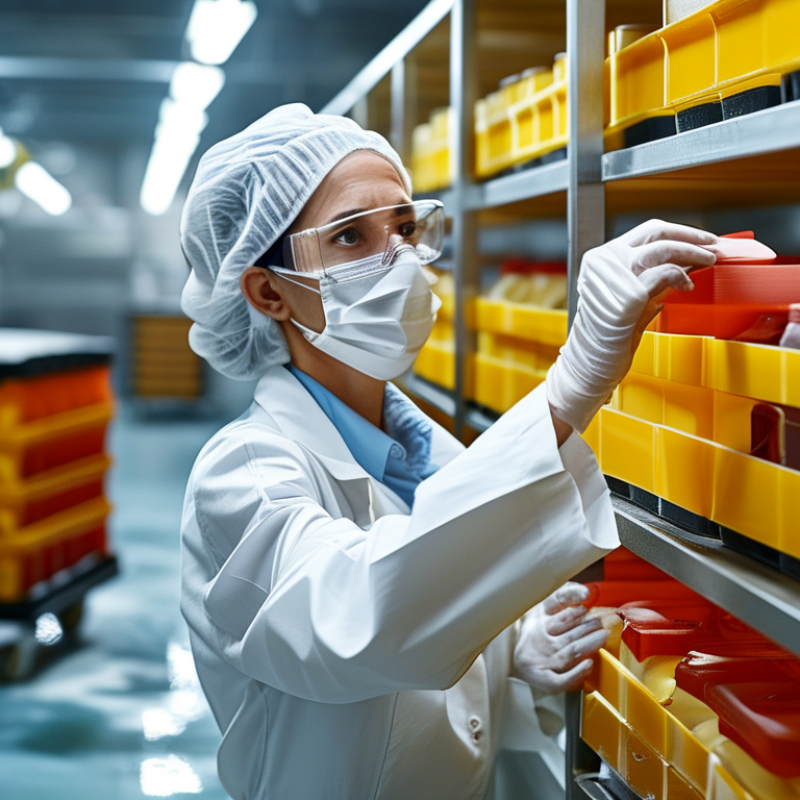
Observing strict hygiene in production lines is challenging. Many facilities struggle with compliance. Minor issues, like improper glove usage or inadequate cleaning schedules, can lead to significant risks. These setbacks can undermine the entire production process. Continuous reflection on hygiene practices and protocols is essential for improvement and safety.

Implementing Standardized Cleaning Protocols for Equipment and Facilities

Implementing standardized cleaning protocols in food packaging production is vital. This ensures consistency in hygiene standards and minimizes contamination risks. Regular cleaning schedules help maintain equipment and facilities. However, many facilities struggle with adherence to these procedures. Gaps in training can lead to oversight.


Tips for effective cleaning protocols include clear documentation. Maintain a log of cleaning activities and responsible personnel. This fosters accountability. Regularly review these logs to identify trends or areas needing improvement. Consider employee feedback to enhance cleaning practices. They can provide insights into practical challenges faced.


Another approach is visual cues. Use color-coded tools to signify different cleaning zones. This reduces cross-contamination chances. Regular audits of cleaning practices can highlight compliance issues. Reflect on these audits to continuously refine protocols. Improvements may take time, but dedication to hygiene is crucial in food packaging production.

Training Staff on Best Hygiene Practices and Procedures

Training staff on best hygiene practices is critical in food packaging production. Employees are the frontline defense against contamination. Their understanding of hygiene protocols can directly affect product safety. Regular training sessions foster a culture of cleanliness and accountability.

Tips: Encourage staff to prioritize personal hygiene. Simple actions matter. Handwashing is essential, especially after breaks. Provide accessible hand sanitizers throughout the facility. Reinforce the importance of wearing clean uniforms and protective gear. This sets a professional standard.

Incorporate visual aids and checklists in the training. This helps staff remember key hygiene procedures. Difficulties in retaining information may arise. Hence, recurring training refreshes memory and highlights areas needing improvement. Schedule regular audits to assess compliance and offer feedback. This keeps hygiene a continuous focus in the workplace.

Utilizing High-Quality, Food-Safe Materials for Packaging

In food packaging production, using high-quality, food-safe materials is crucial. Studies show that 73% of consumers prioritize safety in packaging. They expect materials to meet rigorous safety standards. Choosing materials that comply with regulations is a fundamental step.

Materials like BPA-free plastics and biodegradable options are gaining traction. The shift towards eco-friendly options reflects consumer demand for sustainability. In fact, about 46% of consumers are willing to pay more for sustainable packaging. However, not all manufacturers prioritize this. Some still rely on outdated materials that may pose risks to food safety.

Modern packaging must also consider contamination risks. Utilizing certified materials can reduce bacterial growth. According to recent data, packages made from antimicrobial materials show a 99% reduction in harmful bacteria. However, it's essential to continuously evaluate the effectiveness of these materials. Regular testing and certifications can help ensure the highest hygiene standards in food packaging.

Conducting Regular Hygiene Audits and Monitoring Compliance

Regular hygiene audits are essential in food packaging production. They help ensure that all processes meet health and safety standards. A report from the Food Safety Institute shows that 85% of food contamination incidents are linked to poor packaging practices. This highlights the importance of monitoring compliance after conducting these audits.

Implementing a checklist system can facilitate audits. This system should cover all critical areas, such as material handling and storage temperatures. The audits conducted by certified inspectors often reveal gaps in hygiene practices. For example, 30% of audited facilities fail to maintain cleanliness in their packaging areas. These gaps can compromise food safety and lead to significant financial losses.

Training staff is crucial for constant compliance. Frequent workshops on best hygiene practices can drastically reduce violations. According to a study by the Global Food Safety Initiative, organizations with a strong training culture see a 40% drop in hygiene-related issues. Regular audits and continuous staff education create a culture of accountability. This commitment to hygiene can elevate production quality and protect consumers.

Top 10 Hygiene Practices in Food Packaging Production

FAQS

: Why is it important to use food-safe materials in packaging?

: Consumers prioritize safety, expecting compliance with strict standards in food packaging.

What materials are becoming more popular for sustainable packaging?

BPA-free plastics and biodegradable options are gaining popularity due to eco-friendly demands.

How willing are consumers to pay for sustainable packaging?

About 46% of consumers are open to paying more for sustainability in packaging.

What percentage of food contamination is linked to poor packaging practices?

A report indicates that 85% of food contamination incidents relate back to inadequate packaging methods.

How can regular audits improve food packaging hygiene?

Regular audits help identify hygiene gaps, ensuring compliance with health and safety standards.

What is one common issue found during hygiene audits?

Approximately 30% of audited facilities do not maintain proper cleanliness in their packaging areas.

How can staff training impact hygiene compliance?

Frequent workshops on best practices can reduce hygiene violations by up to 40%.

What role does continuous evaluation play in material safety?

Regular testing of materials ensures their effectiveness in reducing contamination risks.

Why is monitoring compliance crucial after audits?

Continuous monitoring helps maintain high hygiene standards, preventing potential food safety risks.

What can gaps in hygiene practices lead to?

These gaps can compromise food safety and result in significant financial losses for businesses.

Conclusion

Improving hygiene and cleanliness of food packaging production is essential to ensure food safety and consumer health. The importance of hygiene in this industry cannot be overstated, as it directly impacts the quality of the products. Implementing standardized cleaning protocols for both equipment and facilities helps to maintain a contamination-free environment. Additionally, training staff on best hygiene practices ensures that everyone is aware of their role in upholding these standards.

Moreover, utilizing high-quality, food-safe materials for packaging further enhances hygiene, reducing the risk of contamination. Regular hygiene audits and monitoring compliance with established protocols are crucial to identifying areas for improvement and ensuring ongoing adherence to hygiene standards. By focusing on these strategies, food packaging producers can significantly improve hygiene and cleanliness, ultimately protecting public health and enhancing product integrity.

Aria

Aria

Aria is a dedicated marketing professional with a deep passion for innovative strategies and a keen understanding of our company's product offerings. With a wealth of experience in the industry, Aria excels at crafting engaging content that highlights the unique features and benefits of our......