Top 10 Ways to Enhance Sealing for Seasoning and Cosmetic Bottles?

Time:2026-05-01 Author:Isabella
0%

In today’s competitive market, the importance of effective sealing for seasoning and cosmetic storage bottles cannot be overstated. According to a report by the Packaging Industry Association, over 30% of product failures are attributed to inadequate sealing. This statistic highlights the critical need to enhance sealing effect for seasoning and cosmetic storage bottles. With consumers becoming increasingly mindful of product quality, a well-sealed container can significantly impact customer satisfaction and brand loyalty.

Moreover, advancements in sealing technology have made it possible to improve product longevity and freshness. An industry study revealed that companies using superior sealing methods experienced a 20% reduction in spoilage rates. This presents a clear opportunity for manufacturers to reassess their sealing strategies. However, despite these innovations, many brands still overlook essential sealing practices, which can lead to product deterioration.

Enhancing sealing effect for seasoning and cosmetic storage bottles is not just about using better materials; it involves a holistic approach. This means understanding the unique requirements of each product type and employing tailored solutions. As brands strive for excellence, it’s critical to reflect on current practices and seek continuous improvement in their sealing methods.
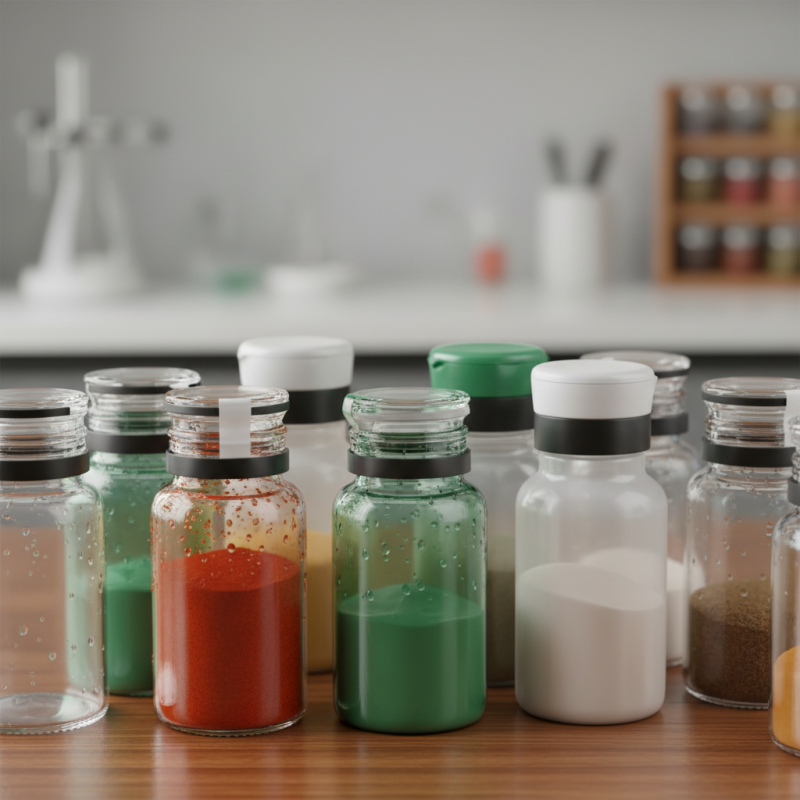
Top 10 Ways to Enhance Sealing for Seasoning and Cosmetic Bottles?

Understanding the Importance of Effective Sealing in Bottles

Effective sealing is crucial for both seasoning and cosmetic bottles. It protects contents from contamination and preserves quality. A proper seal helps maintain freshness, potency, and fragrance. When seals fail, products can degrade quickly. Customers deserve reliable packaging that keeps their favorites intact.

One effective method is choosing the right materials. Ensure closures are made from appropriate, non-reactive substances. Caps should fit tightly to avoid leaks. Consider additional sealing elements like inner liners, which can provide extra protection.

Tip: Test the seals regularly. A simple water test can reveal if there's leakage. Watch for any signs of product spoilage.

Another key factor is manufacturing quality. Look for companies that prioritize robust sealing techniques. Regular inspections during production can catch potential issues early. Ensure that seals are designed to withstand varying temperatures.

Tip: Keep an eye on shelf life. Sometimes, poorly sealed products can result in early expiration or loss of efficacy. If a product seems off, trust your instincts—don’t take unnecessary risks.

Material Selection for Optimal Bottle Sealing Performance

Selecting the right material is crucial for maximizing the sealing performance of seasoning and cosmetic bottles. Different materials offer various levels of airtightness and chemical resistance. For instance, glass is often preferred for its impermeability and inert nature, making it ideal for preserving volatile compounds. On the other hand, high-density polyethylene (HDPE) is widely used for its flexibility and strength. However, it may allow some air exchange over time.

Tips: Always check for compatibility. Some materials can react with certain contents, compromising the seal.

Choosing the lid also plays a significant role. A well-designed screw cap can enhance sealing integrity, while snap-on caps are easier to use but may not be as secure. Consider using liners, as they can prevent leakage and reduce the risk of contamination.

Tips: Experiment with different combinations of materials and designs to find the optimal solution for your specific needs.

Remember, imperfect seals can lead to product degradation, affecting quality and shelf life. Regularly assessing the sealing effectiveness is essential. Achieving an optimal seal may take time and numerous trials but is well worth the effort in the long run.

Innovative Design Features to Enhance Sealing Efficacy

Sealing is crucial for preserving the integrity of seasoning and cosmetic products. Innovative design features can significantly enhance sealing efficacy. One effective method is the integration of specialized closures. These closures can adapt to varying pressures, ensuring a tighter seal during shipping and storage. This flexibility helps maintain product freshness and potency over time.

Tips for enhancing sealing efficacy include considering materials that expand or contract with temperature changes. Elastomeric seals offer excellent resistance to temperature fluctuations, which can occur in various environments. Additionally, employing a double-seal design can greatly reduce the risk of leakage. This design involves using two seals to provide a backup. In practice, this could mean the difference between a preserved essential oil and a spoiled batch.

One common oversight is neglecting the importance of testing seals under different conditions. It’s essential to examine how packaging performs in high humidity or extreme temperature. This testing phase reveals weaknesses in the design, allowing for improvements. Small adjustments can lead to significant enhancements in overall performance. Embracing a mindset of continuous improvement will ensure that sealing innovations remain effective.

Testing Methods for Assessing Sealing Integrity in Bottles

Ensuring the sealing integrity of seasoning and cosmetic bottles is crucial for product quality. Testing methods play a significant role here. A study published by the Packaging Institute revealed that over 22% of bottled products fail sealing tests. This underscores the importance of reliable testing methodologies to maintain product safety and efficacy.

One popular method is the pressure decay test. This technique measures the ability of a sealed bottle to retain air pressure. When defects exist, air escapes, indicating a failure. Such tests can pinpoint weaknesses in sealing materials or application processes. Additionally, vacuum testing is another effective measure. It checks the vacuum integrity of containers, ensuring no leaks compromise product contents. Research indicates that implementing rigorous testing can reduce leakage incidences by up to 18%.

Moreover, visual inspection remains a valuable tool, despite being subjective. Inspectors look for misalignment or damage in closures. While not foolproof, it adds another layer of assurance. Relying solely on one method could lead to oversight. An integrative approach, combining various testing protocols, yields the best results. Balancing efficiency and thoroughness is key in maintaining packaging integrity.

Best Practices for Maintenance and Inspection of Sealing Systems

When managing sealing systems for seasoning and cosmetic bottles, regular maintenance is key. Inspect seals regularly for signs of wear or damage. Aging materials can lose their elasticity. This may result in leaks or contamination. Look for cracks or changes in color. Both can indicate a failing seal.

Cleaning is just as important. Residues can accumulate around seals, affecting performance. Use a soft cloth and appropriate cleaning solution. This will extend the life of the sealing system. Additionally, consider environmental factors. Humidity and temperature fluctuations can impact seal integrity. Monitor these conditions to ensure seals remain effective.

Emerging technologies may improve sealing methods. Yet, testing and adapting these innovations can be challenging. Consider feedback from your team on effectiveness. Regular training can also enhance understanding of best practices. Reflect on past sealing failures for future improvements. This proactive approach will strengthen your sealing systems.

Top 10 Ways to Enhance Sealing for Seasoning and Cosmetic Bottles

This chart depicts the effectiveness ratings for various methods to enhance sealing for seasoning and cosmetic bottles. A higher score indicates a more effective method, emphasizing the importance of quality control and material selection in the sealing process.

FAQS

: Why is effective sealing important for bottles?

: Effective sealing protects contents from contamination and maintains quality, freshness, potency, and fragrance.

What materials should closures be made from?

Closures should be made from non-reactive substances that fit tightly to prevent leaks.

How can I test if seals are working properly?

A simple water test can reveal leakage. Look for signs of spoilage.

What should I watch for during inspections?

Inspect for wear, cracks, and discoloration. Aging materials may lead to leaks.

How does cleaning affect sealing systems?

Regular cleaning prevents residue buildup, which can hinder seal performance and longevity.

Can environmental factors impact seal integrity?

Yes, humidity and temperature fluctuations can negatively affect seals. Monitor these conditions.

What role do emerging technologies play in sealing?

They may enhance sealing methods, but testing and feedback are essential for success.

How can regular maintenance help sealing systems?

Regular checks and maintenance can catch issues early, preventing leaks or contamination.

What if a product seems off?

Trust your instincts—don’t take risks with poorly sealed products; discard them if necessary.

How can past sealing failures inform future improvements?

Reflecting on past mistakes can help enhance practices and prevent similar issues from recurring.

Conclusion

Effective sealing in bottles is crucial for preserving the quality of contents, particularly in the seasoning and cosmetic industries. Understanding the importance of effective sealing helps manufacturers ensure that products remain fresh and safe for consumers. By selecting the right materials, utilizing innovative design features, and implementing robust testing methods, companies can greatly enhance sealing effects for seasoning and cosmetic storage bottles.

Additionally, best practices for maintenance and regular inspection of sealing systems are essential to sustaining their integrity over time. By adhering to these guidelines, manufacturers can significantly improve product longevity and customer satisfaction while minimizing the risk of contamination or spoilage. Overall, focusing on these key aspects will not only enhance sealing effect for seasoning and cosmetic storage bottles but also contribute positively to brand reputation and consumer trust.

Isabella

Isabella

Isabella is a dedicated marketing professional with a sharp focus on driving brand growth and engagement through strategic content creation. With an extensive background in digital marketing, she combines her passion for storytelling with her keen understanding of industry trends to deliver......