In the food packaging industry, maintaining product integrity is critical. According to a 2022 report by the Plastics Food Packaging Association, over 30% of consumers cite odor retention as a major concern. This highlights the need to enhance odor resistance in food-grade plastic containers. Experts like Dr. Lucy Hartman emphasize, "Improving odor resistance is key to consumer satisfaction and extends shelf life."
Challenges in enhancing odor resistance include the variety of food types and their distinct odors. Not all plastics react the same way. Many manufacturers struggle with achieving long-lasting results. A recent study indicated that non-optimized containers can lead to flavor contamination. For instance, a single storage mishap can affect entire batches of food. This is a critical area for improvement.
Advancements in technology offer hope. Innovative polymer blends are now available to better contain odors. However, the cost and complexity of these solutions can deter some producers. Balancing effectiveness and affordability remains a constant challenge. The journey to enhance odor resistance of food-grade plastic containers is ongoing, but the potential benefits for the industry and consumers are immense.
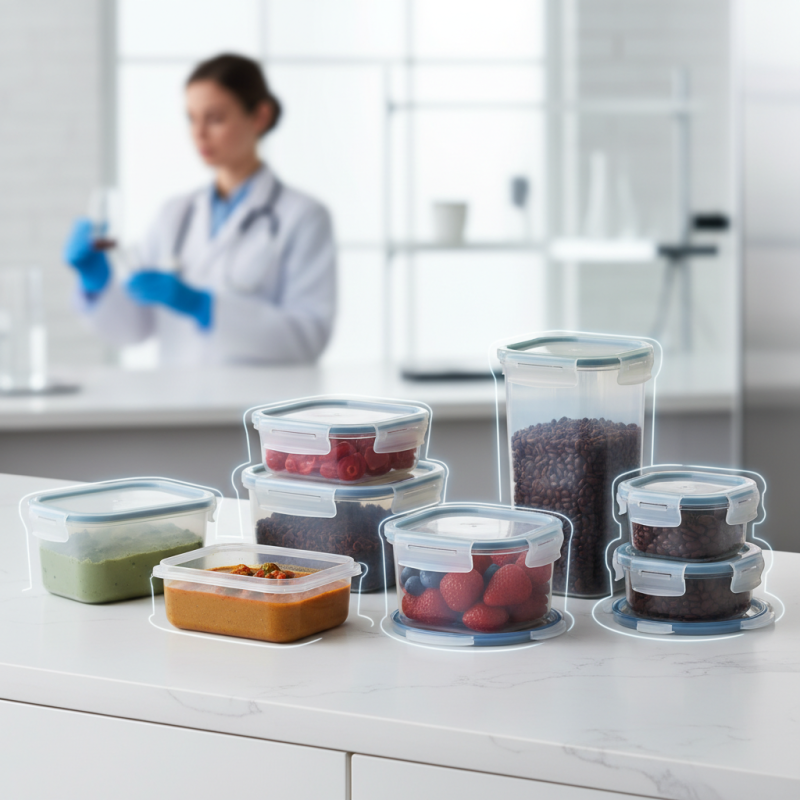
Odor resistance in food-grade plastics is crucial for maintaining food quality. Understanding this property can help in selecting the right containers. Certain plastics naturally resist odors, while others absorb them easily. For instance, polypropylene and polyethylene are commonly chosen for their lower odor absorption rates.
Crafting these materials with additives can further enhance their resistance to odor. However, not every additive performs equally. Some may degrade over time or react negatively with food substances. Testing the effectiveness of these materials in real-world conditions can yield insightful results.
In practice, even the best plastics may occasionally fail. For example, strong-smelling foods can still impart odors. Rigorous cleaning processes often mitigate this issue, but they can sometimes prove ineffective. Regularly assessing container performance can lead to better choices in food storage solutions.
Selecting the right materials for odor-resistant food containers is critical. Many plastics can absorb and retain odors from food. This factor may alter the food's flavor and discourage use. Therefore, choosing the right type of plastic is essential for maintaining freshness.
Polypropylene is one popular choice. It has a low tendency to absorb smells. Additionally, it is durable and heat-resistant, making it ideal for various food storage needs. Another material to consider is PET, known for its clarity and inert properties. However, some users report that it can still retain strong odors over time.
While other materials like polyethylene are commonly used, they might not always offer satisfactory odor resistance. The food industry often faces challenges in finding effective solutions. Even with research, there is no one-size-fits-all answer. Seeking out innovations in polymer technology could be a step towards better options in the future. Regular testing of materials also remains crucial to ensure ongoing odor resistance.
| Material Type | Odor Resistance Level | Common Applications | Temperature Range | Recycling Code |
|---|---|---|---|---|
| Polypropylene (PP) | Moderate | Food containers, microwaveable items | -20°C to 100°C | 5 |
| Polyethylene Terephthalate (PET) | High | Bottles, food packaging | -40°C to 60°C | 1 |
| High-Density Polyethylene (HDPE) | Moderate | Milk jugs, detergent bottles | -40°C to 60°C | 2 |
| Ethylene Vinyl Alcohol (EVOH) | Very High | Barrier films, packaging for odor-sensitive products | -30°C to 70°C | 7 |
| Silicone | High | Baking mats, food storage containers | -40°C to 230°C | None |
Enhancing odor resistance in food-grade plastic containers is crucial for maintaining food quality. One technique is the use of odor-absorbing additives during the manufacturing process. These additives can chemically bond with malodorous compounds, trapping them and preventing them from permeating the plastic. Another approach is to employ barrier materials that slow down the migration of odors.
A practical option involves using surface treatments on the containers. Coatings can create a protective layer that reduces odor penetration. This method offers additional benefits, such as improved ease of cleaning and an attractive finish. However, not all treatments are equally effective, and some may wear off over time.
It's essential to consider the long-term effects of these techniques. The durability of both additives and coatings can vary, and frequent use of strong-smelling foods may still lead to odor retention. Regular testing and evaluation of container performance can help identify when replacements are necessary. This attention to detail ensures that food safety and quality remain a top priority.
Maintaining odor resistance in food-grade plastic containers is essential for ensuring food quality. Regular cleaning practices play a vital role in preserving these containers. For instance, a study published by the Food Packaging Forum indicates that even minor residues can lead to persistent odors over time. This calls for meticulous washing after each use.
Tip: Use hot, soapy water for cleaning. It helps in breaking down grease and odor residues. Avoid using bleach or strong chemicals, as they can harm the container material and potency. Allow containers to dry in a well-ventilated area to prevent moisture buildup, which can contribute to odors.
Storage conditions also matter. When containers are stored in humid or poorly ventilated spaces, they can harbor undesirable smells. According to a report from the International Journal of Food Science, temperature and humidity can accelerate odor retention in plastics. Keeping containers in cool, dry places can mitigate this issue.
Tip: Regularly check the containers for any signs of wear or lingering smells. If an odor persists, consider using a solution of baking soda and water. This natural remedy can help neutralize unpleasant odors effectively. Always ensure containers are completely dry before sealing them for storage.
When considering odor resistance in food-grade plastic containers, evaluating effectiveness is crucial. These features can influence food quality and safety. Plastics often absorb aromas from food, leading to off-flavors and dissatisfaction. The effectiveness of odor-resistant features can vary widely among manufacturers.
Many containers claim to be odor-resistant. However, this claim may not always reflect reality. Materials like polyethylene and polypropylene can benefit from additives that combat odor absorption. Yet, not all containers utilize the best technologies. Research indicates that some advanced coatings significantly reduce odor retention.
Additionally, user experiences sometimes highlight flaws in odor resistance. A container might work well initially but fail over time. Scratches or repeated washing can diminish their effectiveness. Regular evaluation of these features is important. Understanding how various materials perform under real-life conditions helps consumers make informed choices.
: The right materials prevent odor absorption, maintaining food flavor and freshness.
Polypropylene is durable, heat-resistant, and has low odor absorption.
Yes, PET is clear and inert but can still absorb strong odors over time.
Polyethylene is common, but it often does not provide satisfactory odor resistance.
Using odor-absorbing additives and barrier materials helps reduce odor migration.
Yes, they create a protective layer, but effectiveness can vary and may wear off.
Frequent use of strong-smelling foods can lead to odor retention, requiring careful selection.
Regular testing of materials is vital to maintain food safety and quality.
Yes, some coatings not only reduce odors but also make containers easier to clean.
No, some treatments vary in effectiveness and durability, needing periodic evaluation.
To enhance odor resistance of food-grade plastic containers, it is crucial to understand the properties and behavior of different materials used in their production. Selecting appropriate materials that exhibit inherent odor resistance can significantly reduce the absorption of strong smells from foods. Various techniques, such as incorporating additives or applying special coatings, can further improve the odor resistance of these plastics.
Regular maintenance practices play an essential role in sustaining the effectiveness of odor-resistant features over time. Proper cleaning and storage methods help preserve the integrity of the containers, ensuring they remain effective in preventing odor transfer. Evaluating the performance of these odor-resistant characteristics through systematic testing can also provide insights into their longevity and overall effectiveness, supporting consumers and manufacturers alike in making informed decisions.

Rocket Packaging