The beauty industry in China faces unique challenges when developing sensitive cosmetics. A critical factor for these products is the need to enhance light-blocking performance for sensitive cosmetics. Consumers are increasingly aware of how light exposure affects the stability and efficacy of skincare ingredients.
Top suppliers in this sector are exploring innovative solutions to meet these demands. They focus on advanced formulations that protect sensitive skin from harmful light exposure. This requires a deep understanding of both cosmetic science and consumer needs. While many brands claim to address this, not all achieve the desired results.
Moreover, the effectiveness of light-blocking agents can vary significantly. Suppliers must continually refine their products to ensure they meet industry standards and consumer expectations. This ongoing pursuit of excellence often brings to light some imperfections in current solutions. As the market grows, the need for more reliable options becomes essential.
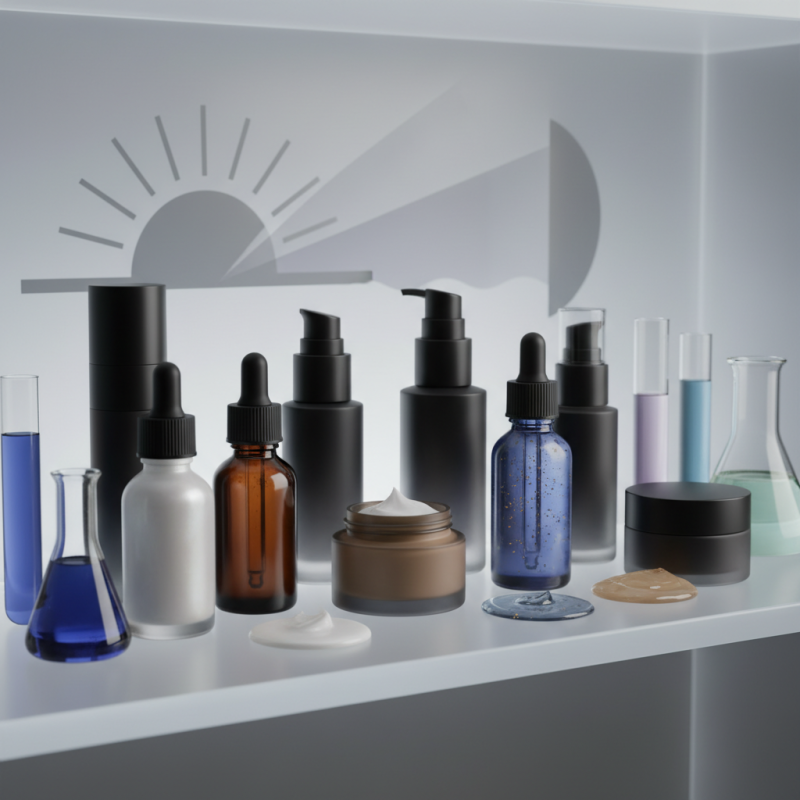
Understanding light blocking requirements for sensitive cosmetics in China is essential for manufacturers. Light exposure can degrade active ingredients in cosmetics, reducing their effectiveness. For products like serums and creams, proper packaging is vital to protect against harmful UV rays.
Sensitive skin often reacts to light. Therefore, using opaque or dark containers can help shield products. There are various materials available, like specialized plastics and tinted glass, that offer better protection. Evaluating the effectiveness of these materials requires testing under different lighting conditions.
However, not all solutions are foolproof. Some packaging might prove less effective in certain climates. Additionally, manufacturers face challenges in balancing aesthetics and functionality. Consumers often prefer attractive packaging, which may compromise light-blocking abilities. Striking the right balance remains a discussion point for many brands.
In the cosmetics industry, light stability plays a crucial role in product formulation. Exposure to light can degrade sensitive ingredients, leading to compromised quality. A report by the International Journal of Cosmetic Science emphasizes that over 30% of cosmetic products experience light-induced degradation, highlighting a significant concern for manufacturers.
Key factors influencing light stability include the type of packaging and formulation choices. For instance, opaque and UV-filtering materials can significantly enhance a product's shelf life. Research shows that products packaged in dark containers exhibit a 50% reduction in degradation compared to those in clear packaging. This difference is essential for preserving active compounds like vitamins and antioxidants, which are sensitive to light.
Moreover, the use of stabilizers and antioxidants can mitigate the effects of light exposure. However, the effectiveness of these additives varies based on their concentration and the specific formulation. A survey revealed that about 40% of formulators face challenges in optimizing these ingredients. These complexities underscore the need for ongoing research and developments in creating more resilient formulations. As the market demands safer and more effective cosmetics, addressing light stability is vital for maintaining product integrity.
| Supplier | Light Blocking Factor | Type of Ingredients | Stability Duration (Months) | Market Availability |
|---|---|---|---|---|
| Supplier A | 95% | Natural Extracts | 12 | Available |
| Supplier B | 90% | Synthetic Polymers | 10 | Limited |
| Supplier C | 92% | Mineral Ingredients | 14 | Available |
| Supplier D | 88% | Organic Compounds | 8 | Not Available |
| Supplier E | 94% | Plant-Based Oils | 11 | Available |
When it comes to light-blocking solutions for sensitive cosmetics, China hosts a variety of top suppliers. These companies specialize in materials that effectively shield products from harmful UV rays and light exposure. Each supplier brings unique expertise in creating formulations tailored for the cosmetic industry. Their knowledge informs the development of packaging solutions that not only protect but also enhance product longevity.
Many of these suppliers focus on sustainable practices. They aim to deliver eco-friendly options that align with global trends. This commitment to sustainability drives innovation in packaging materials. However, not all suppliers maintain strict quality control. Some might compromise on product integrity for cost-effectiveness, impacting overall outcomes. Scrutiny is essential when assessing potential partners.
Consumer demands are ever-evolving, and suppliers must adapt. Many companies may struggle with consistency in light-blocking efficacy. There is always room for improvement in research and development. The industry requires a balance between innovation and reliability. Suppliers must prioritize creating effective solutions that truly meet market needs while maintaining ethical standards.
Light protection in cosmetics is evolving rapidly. Many consumers are becoming more aware of how light affects product stability. This trend is largely due to increased exposure to sunlight and artificial light sources. Sensitive cosmetics require specific formulations to maintain their effectiveness.
Innovative technologies are now being explored to enhance light blocking abilities. For instance, some manufacturers are investing in natural UV filters derived from plants. Others are researching nano-coatings to shield products more effectively. These advancements offer promising results, but they come with challenges.
Formulating these new products requires expertise and rigorous testing. The effectiveness of these technologies must be validated in real-world scenarios. While the future looks bright, it is essential to approach these innovations with caution. Continuous improvement and research will be vital for ensuring reliability in light-sensitive products.
The market for sensitive cosmetics in China is evolving rapidly. Consumers are increasingly aware of the importance of light-blocking packaging. Sensitive skin requires special attention, and brands must adapt to meet these needs.
Effective light-blocking packaging ensures product integrity and extends shelf life. Many consumers prefer opaque or darker containers to protect their cosmetics. Additionally, innovative materials are gaining popularity for their protective qualities. Brands are experimenting with biodegradable options that also provide light protection.
While advancements are notable, challenges remain. Not all materials provide the same level of protection. Some consumers report that certain eco-friendly options fall short. Further research and development are necessary to balance sustainability and effectiveness. The push for better packaging is evident, but meeting consumer expectations requires ongoing commitment.
: Light exposure can degrade active ingredients, reducing their effectiveness. Proper packaging protects sensitive cosmetics.
Opaque or dark containers are best. Specialized plastics and tinted glass offer better protection from UV rays.
Effectiveness is evaluated under different lighting conditions to ensure adequate light blocking for products.
Yes, balancing attractive designs and light protection presents challenges for manufacturers. Aesthetic appeal often compromises functionality.
Innovative technologies include natural UV filters and nano-coatings. These enhance the light blocking abilities of cosmetics.
Not necessarily. Some solutions may be less effective in certain climates. Continuous testing is essential.
Increased exposure to sunlight and artificial light makes consumers more aware of its effects on product stability.
Expertise and rigorous testing are essential. Validating effectiveness in real-world scenarios is a must.
Continuous research and improvement are vital. Ensuring reliability in light-sensitive products is an ongoing discussion.
Yes, but caution is needed. Innovations must be approached with care to ensure they meet consumer needs reliably.
The article explores the critical importance of enhancing light-blocking performance for sensitive cosmetics, particularly in the Chinese market. It outlines the specific light blocking requirements that cosmetic formulations must meet to ensure stability and efficacy. Key factors influencing light stability, including packaging materials and design, are discussed, highlighting how these elements can significantly impact product longevity and consumer satisfaction.
Moreover, the article delves into the top suppliers in China that specialize in providing innovative light-blocking solutions. These suppliers leverage cutting-edge technologies to enhance light protection in cosmetics, aligning with current market trends and consumer preferences for safe and effective packaging. By focusing on these advancements, manufacturers can better cater to the growing demand for sensitive cosmetics that require superior protection from harmful light exposure.

Rocket Packaging