Plastic pollution is a growing concern worldwide. Many people use plastic bottles once and discard them without a second thought. However, there is a better way. Knowing how to properly clean and reuse plastic bottles can significantly reduce waste. It also saves money and resources.
Cleaning these bottles is crucial. Contamination can lead to health risks. Many people overlook the importance of thorough cleaning. A quick rinse may not be enough. It's vital to use warm, soapy water and a bottle brush to reach every corner. This ensures the removal of potentially harmful residues.
Reusing plastic bottles has its challenges. The bottles can degrade over time. They may lose their structural integrity, posing a risk when refilled. Being aware of these factors is essential. It's not simply about saving the environment; it’s about making informed decisions. Each step taken to reuse plastic bottles brings a chance for reflection on personal habits and their environmental impact.
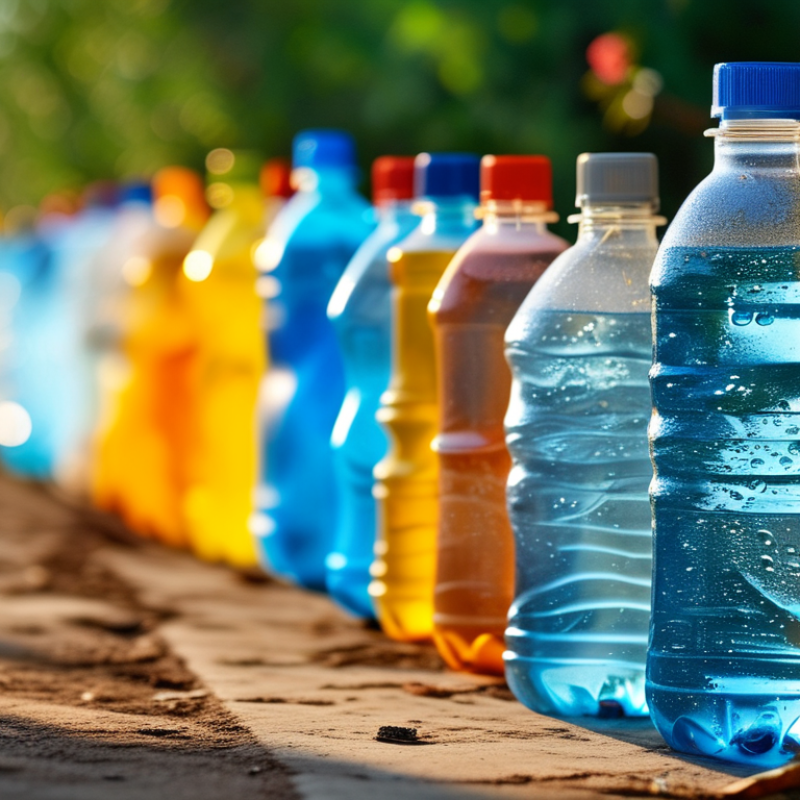
Cleaning and reusing plastic bottles offers significant environmental advantages. One major benefit is reducing plastic waste. Millions of plastic bottles end up in landfills every day. By reusing these bottles, you contribute to a decrease in pollution. This simple act can help preserve natural resources and reduce carbon footprints.
Furthermore, reusing plastic bottles can save money. Instead of buying new containers, you can clean and repurpose old ones. Consider using them for storage, DIY projects, or even gardening. Cleaning can be straightforward. Use warm water and soap for basic sanitization. However, some bottles may be challenging to clean thoroughly. Always ensure bottles are free from residue to avoid health risks.
Many people overlook the importance of proper cleaning techniques. Not all bottles are created equal. Some may harbor bacteria even after washing. It’s essential to inspect the bottle and reuse it thoughtfully. Reflect on the products you've consumed in those bottles. Are they safe for reuse? Awareness is key to effective reuse.
Plastic bottles are everywhere in our daily lives, but cleaning them properly demands the right tools. To effectively clean and reuse plastic bottles, certain supplies are essential. A basic cleaning kit should include a bottle brush, eco-friendly soap, and hot water. The bottle brush helps reach the nooks and crannies that are often left dirty. Eco-friendly soap ensures that harmful chemicals don’t linger on the surface. A study by the Environmental Protection Agency highlights that improper cleaning can lead to bacteria growth, which is a significant health risk.
Another critical supply is white vinegar or baking soda. These natural cleaners can effectively cut through grime. According to a report by the Journal of Applied Microbiology, vinegar can kill over 80% of bacteria found on surfaces, making it a trustworthy option. Additionally, a wide-mouth container is invaluable, allowing you to soak bottles more effectively. However, many overlook the importance of drying them completely. A damp environment fosters mold growth, which defeats the purpose of cleaning. It’s essential to dry bottles thoroughly before use.
Finally, be mindful of the type of plastic when cleaning. Some plastics cannot withstand high temperatures, resulting in deformation. This underlined a significant flaw in the process. Not all cleaning methods are suitable for all bottles. Users often need to experiment to find the best cleaning technique for each bottle type.
| Supplies | Description | Usage Tips |
|---|---|---|
| Hot Water | Effective in loosening dirt and grime | Use with soap for best results |
| Dish Soap | Breaks down grease and food residue | Add to warm water for soaking |
| Bottle Brush | Reaches tough spots inside bottles | Use with soapy water for efficiency |
| Vinegar | Natural disinfectant and deodorizer | Rinse thoroughly to remove scent |
| Baking Soda | Effective in odor absorption | Mix with water to form a paste for scrubbing |
Cleaning plastic bottles effectively can extend their life and promote sustainability. Start by rinsing the bottle with warm water. This helps remove any leftover liquid. Next, fill the bottle halfway with warm water and add a few drops of dish soap. Secure the lid and shake it vigorously. This method is simple yet often overlooked.
After shaking, use a bottle brush to scrub the inside. Pay attention to the bottom corners. Sometimes, stubborn residue remains. If necessary, soak the bottle in a mixture of water and vinegar for an hour. This step can help eliminate tough odors and stains. Rinse the bottle with clean water thoroughly.
Ensure that bottles are completely dry before reuse. Air drying is the safest option. Leaving moisture can lead to mold growth. While these methods are effective, be mindful of scratches inside the bottle. Scratches can harbor bacteria. Regularly inspect your bottles for wear. If they show significant damage, consider recycling them instead of reusing. This practice supports a healthier planet.
Cleaning and disinfecting plastic bottles for reuse is a critical step in promoting sustainability. Begin by rinsing the bottle thoroughly with warm water. This initial rinse helps remove any residue. A mixture of vinegar and water works wonders for disinfecting. Use one part vinegar to three parts water and soak the bottle for about 10-15 minutes. This method is effective yet safe for most plastics.
After soaking, scrub the interior with a brush. Pay attention to the bottom and neck where bacteria may linger. Rinse again with warm water to remove any remaining vinegar. Make sure the bottle is completely dry before storing it. Leaving it damp can lead to mold growth, defeating the purpose of cleanliness.
It’s essential to inspect the bottle for cracks or damage regularly. A damaged bottle may harbor harmful bacteria even after cleaning. Always question whether the bottle is still safe for use. While reusing plastic bottles is great for the environment, ensuring they are properly cleaned ensures safety for you and your family.
Plastic bottles are more versatile than you might think. After cleaning them, you can transform these everyday items into functional tools for various purposes. For instance, cut a bottle in half and use the bottom as a mini greenhouse for seedlings. This method helps with humidity and encourages growth. It’s a simple way to recycle while nurturing new plants.
Another creative option is to create a bottle bird feeder. Just make a few holes for the birds to access the seeds. Hang it in your garden to attract local wildlife. Watching birds feed can be calming and adds life to your outdoor space.
Tips for cleaning: Use hot soapy water to remove residue. Rinse thoroughly to avoid soap remnants. Ensure the bottles dry completely before repurposing to prevent mold. Explore different shapes and sizes; each one can serve a unique purpose. Reflect on your use of plastic and consider how small actions can lead to significant changes in waste reduction.
: Cleaning and reusing plastic bottles reduces waste and pollution. It helps preserve natural resources.
Instead of buying new containers, clean and repurpose old ones for storage or gardening.
A bottle brush, eco-friendly soap, and hot water are essential for effective cleaning.
Eco-friendly soap ensures harmful chemicals don’t remain on the bottles after cleaning.
Vinegar can kill over 80% of bacteria on surfaces, making it a reliable natural cleaner.
Some plastics can deform under high temperatures. Experiment with cleaning methods for each bottle type.
It’s essential to dry bottles thoroughly to prevent mold growth. A damp environment is not safe.
Not all bottles are safe. Consider what products were inside and inspect for any residue.
Improper cleaning may lead to bacteria growth, posing significant health risks.
Think about the previous contents of the bottle and whether they are safe for reuse.
In the quest for sustainability, knowing "how to properly clean and reuse plastic bottles" is essential. Effectively cleaning plastic bottles not only reduces waste but also contributes to a more eco-friendly lifestyle. To do this, one needs to gather essential supplies such as dish soap, a bottle brush, and hot water. Following a step-by-step guide ensures thorough cleaning: rinse the bottle, apply soap, scrub with a brush, and rinse again.
Moreover, safely disinfecting plastic bottles is crucial for their reuse. Simple tips, like using a vinegar solution or boiling water, can help eliminate harmful bacteria. Once cleaned, the possibilities for repurposing are endless—cleaned bottles can serve as planters, storage containers, or even craft materials. Embracing these practices helps minimize environmental impact while encouraging creative reuse in everyday life.

Rocket Packaging