Ensuring consistent quality of mass-produced plastic bottles is a complex challenge. The production process involves various stages, from raw material selection to final inspection. Each stage plays a critical role in determining the overall quality of the product.
Manufacturers need to implement strict quality control measures. This includes regular testing of materials and adherence to industry standards. Without these practices, the risk of defects increases, potentially compromising customer satisfaction and brand reputation. It's essential to refine processes continuously, as even minor lapses can lead to significant quality issues.
In addition, investing in advanced technology can enhance quality assurance. Automated systems offer precision and reliability that manual processes may lack. However, reliance on technology poses risks too. Machines can malfunction or misread data, highlighting the need for human oversight. Balancing automation and human expertise is key in maintaining high standards.
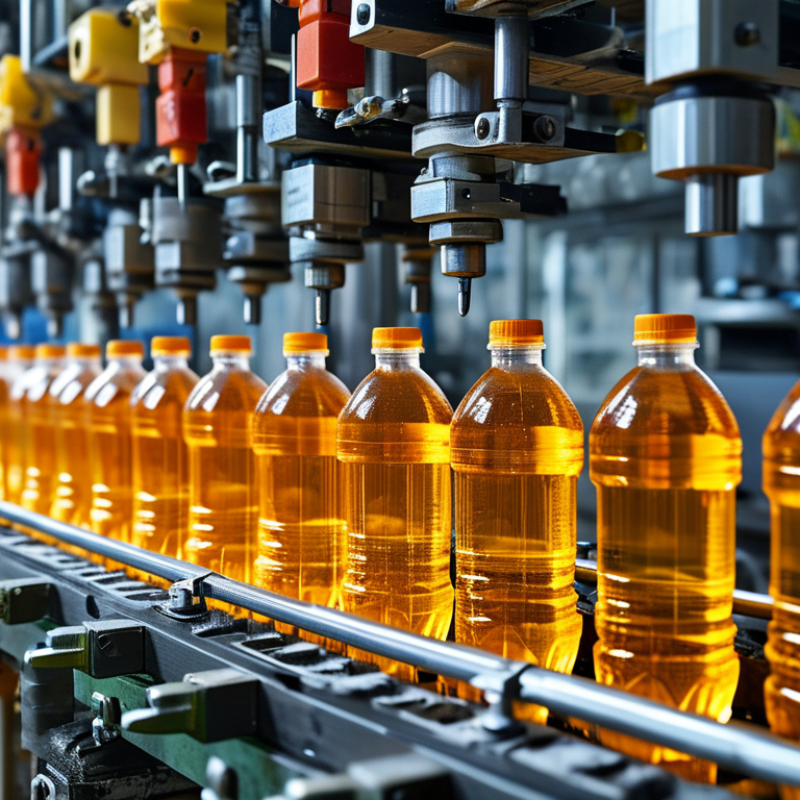
Ensuring the quality of mass-produced plastic bottles is crucial in various industries. Key factors include material selection, manufacturing processes, and quality control measures. According to a recent industry report, over 30% of defects in plastic bottles stem from inadequate material properties. High-density polyethylene (HDPE) and polyethylene terephthalate (PET) are the most common materials. Each has unique properties affecting durability and safety.
Manufacturing processes significantly impact bottle quality. Injection molding and blow molding are prevalent methods, yet inconsistencies can arise. A study highlighted that 25% of production issues originated from temperature fluctuations during molding. Frequent equipment maintenance can mitigate risks. However, companies often overlook regular checks, leading to increased waste and costs.
Quality control plays a critical role in maintaining standards. Implementing in-line inspection processes can identify defects early. Research shows that real-time feedback reduces rework times by up to 40%. However, only 60% of manufacturers have adopted such technologies. Organizations should reflect on their quality assurance practices to enhance overall production reliability.
Standardization in materials is crucial for producing high-quality plastic bottles. Different plastics can react unpredictably when mixed. Using a consistent type of resin ensures uniformity in strength and pliability. This prevents defects and minimizes waste during production.
Tips: Choose a trusted supplier for raw materials. They should provide detailed specifications. Regularly test samples to ensure they meet quality standards.
Another important aspect is the clarity of the resin. Clear bottles should have no impurities. Slight variations in clarity can affect consumer perception. Monitor material batches closely and adjust processes to maintain consistent quality.
Tips: Implement rigorous quality control checks at every stage. Train staff to identify defects early in production. Continuous feedback loops can help identify potential issues before they escalate.
Monitoring and controlling production processes are crucial to ensure the consistent quality of mass-produced plastic bottles. Effective monitoring requires real-time data collection at various stages of production. This may include temperature, pressure, and material flow rates. Each parameter significantly affects the final product's quality. Inconsistent pressure during molding can lead to weak spots, which may not be visible until later.
Another important aspect is worker training. Employees must understand the machinery and the quality standards expected. Regular training sessions can help address skill gaps. There can be errors in measurements or settings that lead to defects. Addressing these human factors proactively can prevent larger issues from arising.
Quality control inspections should occur frequently throughout the production cycle. Relying solely on end-of-line checks is not sufficient. Spot inspections can catch defects early, allowing for adjustments before mass production continues. Ongoing analysis of defect rates can highlight recurring problems, leading to better process adjustments. Consistency is key, and by diligently monitoring every step, manufacturers can strive for improvement, even when challenges arise.
Implementing quality assurance protocols in plastic bottle manufacturing is critical for ensuring consistent quality. Quality assurance begins with setting clear standards for raw materials, such as the type and grade of plastic used. Each batch of material should be tested for its physical properties, ensuring it meets specific criteria before production begins. This step reduces the chances of defects in the final product.
Routine inspections during the manufacturing process are vital. Operators should conduct regular checks on the machinery and equipment. Machines can malfunction, leading to inconsistent bottle sizes or wall thicknesses. In some cases, minor adjustments to temperature or pressure settings can prevent major quality issues. Encouraging staff to report discrepancies fosters a culture of quality awareness.
However, no system is flawless. There may still be occasional defects slipping through quality checks. Continuous improvement is necessary. Conducting audits and collecting feedback from consumers can highlight areas needing attention. Embracing a mindset of reflection helps manufacturers refine their techniques and protocols, ultimately enhancing product quality over time.
Regular maintenance of production equipment is crucial for ensuring the consistent quality of mass-produced plastic bottles. Machinery that is not regularly serviced can break down or underperform. For example, worn-out molds can lead to defects in the bottles. Regular inspections can help catch these issues early. A proactive maintenance schedule often prevents costly production delays.
Upgrades to equipment also play a significant role. With advancements in technology, older machines might not meet today's quality standards. Upgrading to newer models can improve efficiency and precision. However, it's essential to assess whether the cost of upgrading is justified. Sometimes, the latest tech doesn't deliver noticeable improvements.
Employees should be trained on new equipment. This ensures they understand its operation and potential limitations. A lack of adequate training can lead to mistakes, undermining the advantages of upgraded equipment. Reflecting on these areas can lead to better outcomes in production quality. Consistent efforts in maintenance and upgrades can help avoid pitfalls and ensure high-quality plastic bottles.
| Dimension | Measurement Unit | Target Value | Current Value | Last Maintenance Date | Next Scheduled Maintenance |
|---|---|---|---|---|---|
| Bottle Volume | Liters | 1.5 | 1.48 | 2023-01-15 | 2024-01-15 |
| Wall Thickness | Millimeters | 1.0 | 1.02 | 2023-03-10 | 2024-03-10 |
| Weight | Grams | 30 | 29.5 | 2023-05-20 | 2024-05-20 |
| Temperature Control | Degrees Celsius | 180 | 175 | 2023-07-30 | 2024-07-30 |
| Cycle Time | Seconds | 10 | 9.8 | 2023-09-15 | 2024-09-15 |
: Standardization ensures uniformity in strength and pliability, preventing defects and minimizing waste.
Look for suppliers offering detailed specifications and consistent quality.
Monitor material batches closely for impurities, as even slight variations affect perception.
Use real-time data collection for parameters like temperature and pressure throughout production.
Employees need to understand machinery and quality standards to prevent measurement errors.
Inspections should occur frequently, not just at the end, to catch defects early.
Regular maintenance prevents breakdowns and ensures machinery operates efficiently.
Upgrades are needed when older machines fail to meet current quality standards.
Proper training prevents mistakes that could undermine efficiency and quality improvements.
Consistent monitoring and efforts in maintenance, along with proactive error identification, are key.
To ensure consistent quality of mass-produced plastic bottles, several key factors must be considered throughout the manufacturing process. Standardization of materials is crucial, as using uniform input materials helps maintain product quality and minimizes variability. Additionally, closely monitoring and controlling production processes can prevent deviations that lead to defects.
Implementing robust quality assurance protocols within the manufacturing framework is essential for identifying and rectifying potential issues early on. Regular maintenance and upgrades of production equipment further contribute to the consistency and reliability of the output. By addressing these critical areas, manufacturers can effectively ensure consistent quality of mass-produced plastic bottles, leading to enhanced customer satisfaction and reduced waste.

Rocket Packaging