How to Choose the Right Plastic Bottles for Cosmetics?

Time:2026-09-05 Author:Mason
0%

Choosing the right plastic bottles for cosmetics is crucial for both brand identity and product effectiveness. Expert Jane Smith, a leading figure in cosmetic packaging, emphasizes, “The right bottle shape and material can enhance product stability and customer appeal.” This highlights the importance of thoughtful selection tailored to specific cosmetic formulas.

When considering how to choose plastic bottles for cosmetics, brands must evaluate several factors. The type of plastic, for instance, directly affects the product's shelf life. Popular choices include PET for its clarity and resistance and HDPE for durability. Each option has its pros and cons, altering how consumers perceive the product.

Attention to detail is paramount. Labels, closures, and even bottle shapes can create a lasting impression. However, this selection process may lead to uncertainties. Is the chosen bottle sustainable enough? Will it resonate with customers? Addressing these concerns ensures that brands not only meet safety standards but also convey an authentic message about their products.
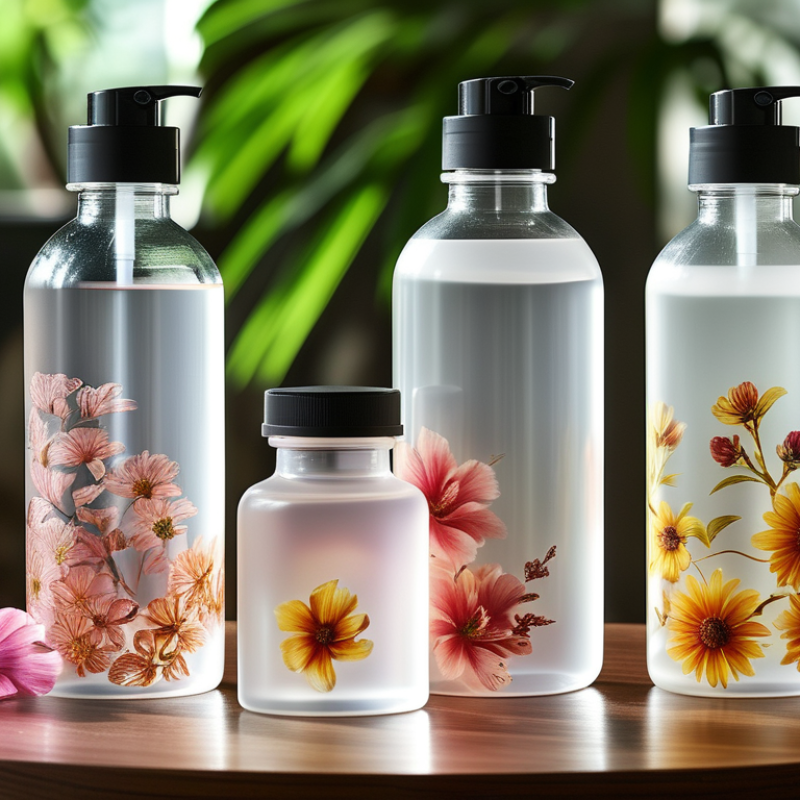
How to Choose the Right Plastic Bottles for Cosmetics?

Understanding Different Types of Plastic Materials for Cosmetic Bottles

Choosing the right plastic for cosmetic bottles involves understanding various materials. Each type of plastic has unique properties that cater to specific needs. PET, or polyethylene terephthalate, is popular for its clarity and strength. It’s lightweight and recyclable, making it an eco-friendly choice for many brands. However, it can be prone to scratching.

Another option is HDPE, or high-density polyethylene. It offers excellent resistance to impact and can withstand colder conditions. Many manufacturers prefer it for thicker lotions and creams. Yet, it lacks the transparency that some consumers might seek.

Then there’s PVC, known for its versatility. It’s flexible and durable, but some may find its production process concerning.

When selecting materials, consider these factors carefully. Think about the product’s shelf life and how it reacts with the packaging. Some plastics can leach chemicals, affecting the product inside. Conducting thorough research is essential. Testing with smaller batches may reveal unexpected challenges or benefits. Understanding these details enhances your product's quality and marketability.

Assessing Compatibility of Plastic with Cosmetic Formulations

Choosing the appropriate plastic bottle for cosmetic formulations is crucial. Not every plastic type is compatible with every formula. For instance, polyethylene terephthalate (PET) is widely used due to its excellent barrier properties and clarity. However, it may not suit oil-based products well. According to a report by Smithers Pira, around 30% of product failure in the cosmetics industry can be linked to packaging incompatibility.

Polypropylene (PP) is another popular choice. It shows good resistance to various chemicals. Yet, its clarity is lower than PET. A study by the European Plastics Converters (EuPC) revealed that nearly 25% of brands underestimate the impact of plastic material on their product's stability. Usage of the wrong type can lead to leaching of substances or contamination.

Consider the interaction of the product with the packaging. Ingredients like essential oils may react adversely with certain plastics. Consider testing under actual storage conditions. Observing any changes over time can provide valuable insights. While cost may drive decisions, overlooking compatibility can lead to higher returns and unhappy customers. The complexity of cosmetic formulations demands careful selection of packaging materials.

Evaluating Environmental Impact: Recyclability and Sustainability of Plastics

When choosing plastic bottles for cosmetics, recyclability and sustainability are key considerations. Many consumers are increasingly aware of the environmental implications of their packaging choices. Plastics are often not biodegradable, leading to significant waste issues. Therefore, selecting bottles made from recyclable materials, like PET or HDPE, can help reduce environmental impact.

However, not all plastics are created equal. Some may claim to be recyclable, but the local infrastructure may not support such recycling. This discrepancy can lead to consumer confusion. It's essential to investigate if local facilities accept specific plastics. Furthermore, consider the lifecycle of the plastic. While some may be recyclable, the energy consumed in its production can also outweigh its benefits.

In assessing sustainability, look for bottles that prioritize eco-friendly practices. This might include sourcing materials responsibly or investing in post-consumer recycled content. Despite the apparent advantages, some manufacturers may still fall short. Transparency is crucial; brands should openly share their environmental policies. By demanding this information, consumers can drive the market towards better practices.

Determining the Importance of UV Protection in Cosmetic Packaging

UV protection is crucial when selecting plastic bottles for cosmetics. Many ingredients in cosmetic formulations are sensitive to light. Prolonged exposure to UV rays can degrade these ingredients, reducing their effectiveness. This is especially important for products like serums and oils, which often contain active compounds that benefit from UV protection.

Choosing materials that offer UV resistance helps preserve the integrity of your products. Some plastics, like PETG, are known for providing adequate UV protection. However, not all plastics are created equal. Always verify whether the chosen packaging offers the right level of UV filtering.

To enhance UV protection, consider adding secondary packaging. Boxes and outer cartons can provide additional barriers against light exposure. This is a simple yet effective way to ensure your cosmetic products remain potent for longer.

Remember that customer perception matters too. Packaging that communicates UV protection can attract more consumers. It shows dedication to quality. Clear communication about the benefits of your packaging can build trust with your audience. Always strive to balance aesthetics and functionality in your packaging choices.

How to Choose the Right Plastic Bottles for Cosmetics? - Determining the Importance of UV Protection in Cosmetic Packaging

Bottle Type Material UV Protection Level Recyclability Common Uses
Foam Pump Bottle PETG High Yes Face Wash, Creams
Dropper Bottle Amber Glass Very High Yes Essential Oils, Serums
Squeeze Bottle LDPE Moderate Yes Lotions, Gels
Airless Pump Bottle PP High Yes Creams, Moisturizers
Cosmetic Jar Acrylic Low No Face Masks, Creams

Analyzing Consumer Preferences and Trends in Cosmetic Bottle Design

When selecting plastic bottles for cosmetics, understanding consumer preferences is crucial. Studies show that consumers favor eco-friendly designs. Brands that use recyclable materials often attract more attention. The aesthetic also matters. Sleek and modern shapes can make products look more appealing on shelves. Color transparency is another trend; it lets consumers see the product inside. This honesty fosters trust.

However, trends can shift rapidly. What is popular today may not resonate tomorrow. Some consumers prefer vintage designs, while others lean towards minimalist styles. Packaging should also consider functionality. A secure cap that prevents leaks is critical for customer satisfaction. Bottles that allow easy dispensing of the product can enhance user experience.

Importantly, there is no one-size-fits-all solution. Each brand has unique challenges and audiences. Not every design will resonate with every consumer. It is essential to gather feedback and iterate on designs. Testing different styles can lead to valuable insights. Brands must remain adaptable to ensure they meet evolving consumer desires.

FAQS

: Why is selecting the right plastic bottle important for cosmetic formulations?

: The right plastic bottle affects product stability and consumer satisfaction. Incompatibility can lead to product failures.

What can happen if the wrong plastic type is used?

Using inappropriate plastic may cause leaching or contamination, risking product quality and safety.

Which plastic types are commonly used for cosmetics?

Polyethylene terephthalate (PET) and polypropylene (PP) are popular. Each has distinct properties affecting compatibility.

How does consumer preference affect cosmetic bottle design?

Consumers increasingly prefer eco-friendly and aesthetically pleasing designs. Recyclable materials attract more buyers.

What factors should be considered when designing packaging?

Looks matter, but functionality is vital too. Secure caps and easy dispensing enhance user experience.

How can brands stay up to date with packaging trends?

Brands must gather consumer feedback and test different styles. Trends change, so adaptability is necessary.

What role does product interaction with materials play?

Certain ingredients may react with plastics. Testing in real storage conditions is essential for safety.

Can aesthetics impact consumer trust?

Yes, transparent designs allow consumers to see the product. This honesty fosters trust and increases purchases.

Why is feedback important in packaging design?

Feedback helps brands refine designs to meet consumer desires. Testing different styles can yield actionable insights.

Is there a universal packaging solution for all brands?

No, each brand faces unique challenges. Tailoring designs to specific audiences is crucial for success.

Conclusion

When considering how to choose plastic bottles for cosmetics, it's essential to understand the various types of plastic materials available for packaging. Different plastics can affect the compatibility with cosmetic formulations, making it crucial to select the right type for maintaining product integrity. Additionally, evaluating the environmental impact is vital; looking into recyclability and sustainability of the materials used can help brands align with eco-friendly practices.

Another important aspect is UV protection, as certain cosmetic ingredients can be sensitive to light, necessitating packaging that preserves product quality. Lastly, analyzing consumer preferences and trends in bottle design can guide brands in creating appealing and functional packaging that meets the expectations of today's environmentally conscious market. By considering these factors, businesses can effectively select plastic bottles that cater not only to product requirements but also to consumer and environmental needs.

Mason

Mason

Mason is a seasoned marketing professional with a deep expertise in the company's offerings and a passion for driving brand awareness. With a strong background in digital marketing strategies, he has an innate ability to connect with diverse audiences and effectively communicate product benefits.......