The topic of "What causes plastic bottles to deform in heat" is of increasing relevance in today's consumer-driven society. As per a recent report by the Plastics Industry Association, the demand for bottled beverages has grown by over 25% in the last five years. This surge raises concerns about the potential hazards of heating plastics. During this process, polyethylene terephthalate (PET), commonly used in plastic bottles, can soften and lose its structural integrity.
Expert Dr. Emily Lucas, a leading researcher in polymer science, states, "Even slight temperature increases can lead to detrimental changes in the physical properties of plastics." Understanding what causes plastic bottles to deform in heat is critical for consumer safety. When exposed to temperatures above 70°C (158°F), the risk of deformation significantly increases. Such deformation not only affects the bottle's strength but may also lead to chemical leaching.
These insights are vital for consumers who frequently use plastic bottles. A lack of awareness regarding heat exposure can create potential safety risks. While plastics provide convenience, they come with challenges that require attention. Reflecting on this, it is clear that more education is needed about proper use to avoid these issues.
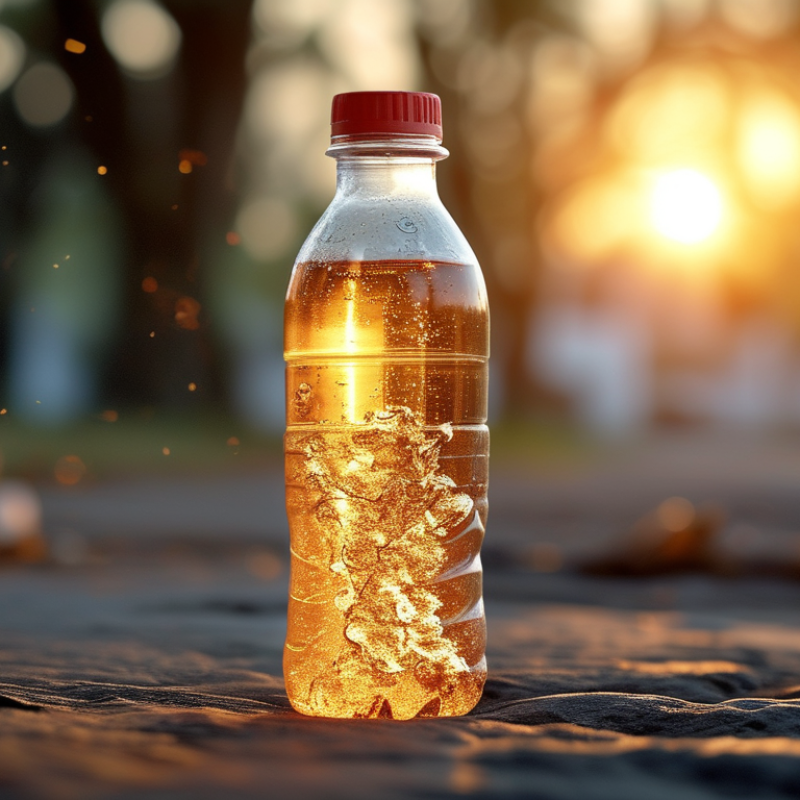
Types of Plastics Used in Bottles and Their Properties
Plastic bottles are commonly made from different types of plastics, each with unique properties. The most prevalent type is polyethylene terephthalate (PET), known for its clarity and strength. It’s often used for beverages. Another type is high-density polyethylene (HDPE), favored for its resistance to impact and moisture. Both of these plastics can deform when exposed to heat. The heat causes the polymers to lose their structural integrity.
When heated, PET softens around 70°C. This is when it can start to change shape. HDPE, while more resilient, can also deform at higher temperatures. It’s crucial to avoid placing plastic bottles in hot environments. Maintaining a safe temperature helps preserve their original form.
Tips for handling plastic bottles are simple. Avoid pouring hot liquids into them. Always store bottles away from direct sunlight. Remember that not all plastics are created equal. Regularly check for wear or damage since degradation can occur over time. It’s a good practice to recycle old bottles responsibly, as this helps reduce waste.
Understanding Thermal Expansion and Its Effects on Materials
Heating plastic bottles can lead to noticeable deformation. This change occurs due to thermal expansion, a fundamental principle in materials science. When exposed to increased temperatures, the molecules within the plastic gain energy. This energy causes them to move apart, resulting in a significant increase in volume. According to a report published by the American Institute of Physics, certain plastics can expand by as much as 1.5 times their original size when heated.
Many types of plastic, like polyethylene and polypropylene, are sensitive to heat. The deformation can manifest as warping or bending. Research shows that when heated above 60 degrees Celsius, these materials may lose their structural integrity. Heat can cause these plastics to soften, making them pliable and prone to bending. This property is crucial for manufacturers but poses risks for consumers. It's essential to be cautious when using these products in situations involving heat.
A useful practice is to avoid storing plastic bottles in warm places. Keep them out of direct sunlight and away from heaters. When using them for hot liquids, ensure they are specifically designed for that purpose. Understanding thermal expansion can help in making safer choices with plastic materials. Knowledge of how plastics behave when heated fosters better habits in daily life and reduces the chances of accidents.
The Role of Temperature in Plastic Bottle Deformation
Temperature plays a crucial role in the deformation of plastic bottles. When exposed to heat, plastics like PET (polyethylene terephthalate) soften. Research from the Plastics Industry Association indicates that significant changes begin at temperatures above 60°C (140°F). At this point, the molecular structure of the plastic starts to break down, leading to weakening.
The deformation process can be influenced by several factors, including duration of heat exposure and the specific type of plastic. For example, a study published in "Polymer Testing" suggests that prolonged exposure of PET to even low temperatures can result in visible deformation. Bottles left in a hot car consequently may buckle or warp, primarily due to this heat-induced softening.
Interestingly, even room temperature affects their structural integrity over time. Continuous exposure to ambient heat, such as sunlight, may cause gradual deterioration. This highlights a need for better storage practices for plastic products. Understanding these dynamics is essential for consumers and manufacturers alike. It emphasizes the importance of education on safe plastic usage and the environmental aspects tied to the disposal of these materials after deformation.
Common Scenarios Leading to Deformation of Heated Bottles
When plastic bottles are exposed to heat, deformation often occurs. This can happen in several everyday situations. For example, leaving a bottle in a hot car can lead to noticeable changes in its shape. The sun's powerful rays can heat the plastic, making it soft and malleable. The bottle may warp or develop unsightly bulges.
Another common scenario is when hot liquids are poured into plastic bottles not designed for such temperatures. The heat can weaken the structure of the plastic, causing it to collapse or twist. While some bottles are labeled as heat-resistant, they still have limits. Users should be cautious about underestimating these limits.
In heated environments, the material properties of plastic become less stable. Even low to moderate temperatures can alter a bottle’s integrity. Internal pressure from carbonated drinks can further exacerbate deformation when combined with heat. Recognizing these scenarios prepares consumers to handle plastic materials wisely. Reflection on everyday habits can lead to smarter choices.
Preventive Measures to Avoid Plastic Bottle Deformation When Exposed to Heat
When plastic bottles are exposed to high temperatures, they can easily deform. To prevent this, there are several key measures to consider. Research from the Plastics Industry Association shows that many common plastics, such as PET, begin to soften at temperatures above 70°C. This means that leaving bottles in a hot car or exposing them to direct sunlight can lead to structural changes.
One effective strategy is storing bottles in cool, shaded areas away from heat sources. A study published in the Journal of Environmental Sciences indicated that even brief exposure to temperatures over 80°C could alter the molecular structure of certain plastics, increasing the risk of deformation. Additionally, opting for insulated containers can maintain a stable temperature and minimize the risk of heat exposure.
Regular inspections of your plastic bottles can also help. Look for signs of wear and tear, as degraded plastics are more susceptible to heat. While many consumers are aware that plastic can deform, there is often a lack of understanding regarding specific temperature thresholds. Education around safe usage practices is essential. Awareness of these preventive measures is crucial for minimizing deformation and ensuring safety in daily use.
FAQS
: The most common plastics are polyethylene terephthalate (PET) and high-density polyethylene (HDPE).
PET is known for its clarity and strength, making it suitable for beverages.
Both types can deform when exposed to heat, losing their structural integrity.
PET begins to soften at around 70°C, changing shape under high temperatures.
Store bottles in cool, shaded areas and avoid leaving them in hot environments.
It's best to avoid pouring hot liquids into them unless they are specifically designed for that purpose.
Regularly inspect for wear or damage as degradation can make them more prone to deformation.
Heat causes plastic materials to expand, potentially increasing their volume and leading to warping or bending.
Keep them out of direct sunlight and away from heat sources to maintain their integrity.
Many consumers lack knowledge about specific temperature thresholds, which is essential for safe usage.
Conclusion
Plastic bottles are made from various types of plastics, each with distinct properties that affect their behavior under heat. When exposed to elevated temperatures, these materials undergo thermal expansion, which can lead to significant deformation. Understanding what causes plastic bottles to deform in heat is crucial, as it involves the interplay of temperature effects on their structural integrity. Common scenarios include leaving bottles in hot cars or exposing them to direct sunlight, where the heat can exceed the plastic’s tolerance.
To prevent deformation, users can take several precautionary measures, such as avoiding high-temperature environments and selecting bottles made from heat-resistant materials. By understanding the science behind plastic behavior at high temperatures, individuals can mitigate risks associated with the deformation of heated bottles, ensuring their functionality and safety.

 Rocket Packaging