What is BPA and Why Should You Care About Plastic Bottles

Time:2026-08-16 Author:Sienna
0%

In recent years, the term BPA has gained significant attention. BPA, or bisphenol A, is a chemical compound found in many plastic products, especially bottles. Experts warn about its potential health risks. Dr. Emily Johnson, a leading researcher in environmental health, states, "Understanding BPA's effects is crucial for consumer safety."

More than just a simple chemical, BPA can seep into liquids we consume. This raises concerns about exposure to harmful effects. Studies link BPA to endocrine disruption, which can impact hormonal health. Many are unaware of what BPA is and why it’s in plastic bottles.

When choosing bottles, consider alternatives. Look for BPA-free options. Despite their availability, many still use regular plastic, risking health. Awareness of what BPA and why it is important in plastic bottles can guide safer choices. Ultimately, educating ourselves is a vital step in protecting our health.
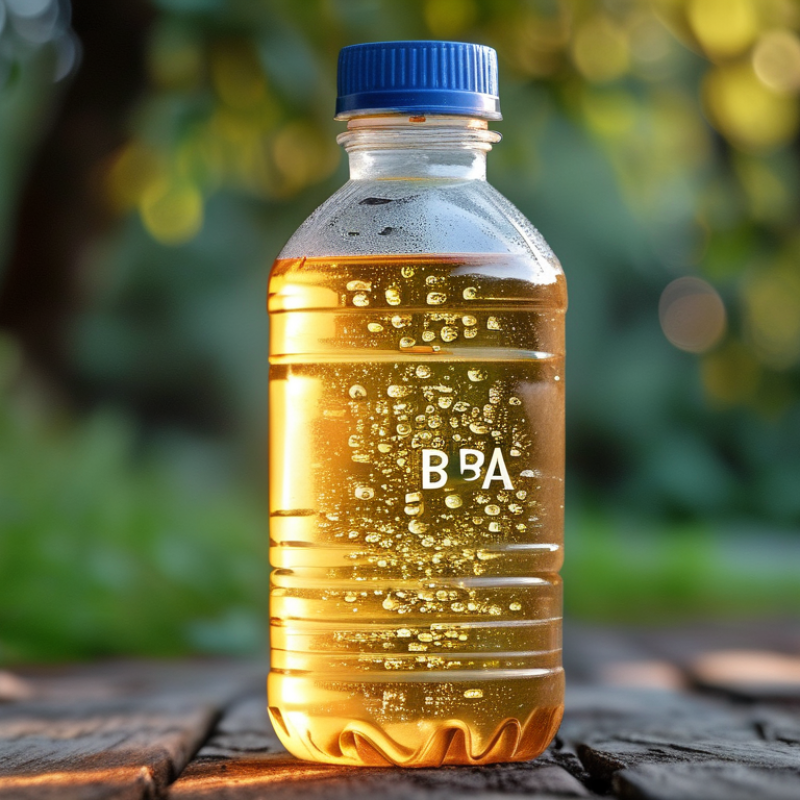
What is BPA and Why Should You Care About Plastic Bottles

Understanding BPA: Definition and Characteristics

BPA, or bisphenol A, is a chemical found in many plastics. This substance is commonly used in polycarbonate plastics and epoxy resins. Many plastic bottles may contain BPA, raising concerns about its effects on health. BPA can leach into beverages when the plastic is heated or damaged. It mimics estrogen, disrupting hormones in the body.

Research associates BPA with several health issues. These include reproductive disorders and increased cancer risk. Understanding BPA's characteristics helps consumers make informed choices about plastic use. Awareness of potential health risks leads to better decisions regarding bottled products.

Tips: Choose BPA-free bottles whenever possible. Look for labels that indicate "BPA-free." Store plastics away from heat to minimize leaching. If you're unsure about your bottles, consider alternatives like glass or stainless steel. Reducing BPA exposure can be a small, yet impactful step for your health.

What is BPA and Why Should You Care About Plastic Bottles

Characteristic Description
Chemical Name Bisphenol A
Common Uses Production of polycarbonate plastics and epoxy resins
Health Concerns Potential endocrine disruptor linked to reproductive issues and other health problems
Regulatory Status Banned or restricted in many countries for certain uses, especially in products for infants
Alternative Materials BPA-free plastics, glass, stainless steel
Environmental Impact Difficult to break down, contributing to pollution

Sources of BPA in Plastic Bottles

Bisphenol A (BPA) is a chemical commonly found in many plastic products, including bottles. Research indicates that BPA is utilized to enhance the strength and durability of plastics. Studies show that over 90% of Americans have trace amounts of BPA in their bodies, as highlighted by the CDC. This raises significant concerns for public health.

One of the primary sources of BPA in plastic bottles stems from polycarbonate plastics and epoxy resins. These materials are often used in water bottles and food containers. A report from the National Institutes of Health indicates that BPA can leach into food and beverages, especially when containers are heated or scratched. Such exposure poses a risk of endocrine disruption, leading to hormone-related issues.

Moreover, recycling processes can sometimes compound the BPA problem. When plastics are recycled, BPA can migrate from one bottle to another. A study from the Environmental Protection Agency highlights that recycled plastic often contains high levels of BPA, raising alarm over consumer safety. Awareness of BPA contamination in plastic bottles is essential for making informed choices about usage and recycling.

Health Risks Associated with BPA Exposure

BPA, or bisphenol A, is a chemical commonly found in plastics. It is often used in containers like water bottles and food packaging. Research shows that BPA can leach into food and beverages. This poses serious health risks. Long-term exposure to BPA is linked to various health issues.

Studies have connected BPA exposure to hormonal imbalances. It can mimic estrogen, potentially leading to reproductive problems. Even small amounts may be harmful, especially for children and pregnant women. There are concerns about its effects on brain development and behavior in young kids.

Awareness is crucial. Understanding where BPA is found helps you make informed choices. Opt for BPA-free products when possible. Using glass or stainless steel containers can be safer alternatives. It’s important to constantly evaluate our habits and consider the health risks of BPA. Making small, conscious changes can lead to better health outcomes for you and your family.

Regulations and Alternatives to BPA in Packaging

BPA, or bisphenol A, has raised concerns due to its presence in many plastic products. This chemical can disrupt endocrine functions in humans and animals. Regulatory bodies worldwide have begun recognizing the potential risks associated with BPA. As a result, several countries have enacted stricter regulations on its use in packaging, especially for food and beverages.

Alternatives to BPA are emerging as consumers demand safer options. Materials like polyethylene terephthalate (PET) and glass are increasingly used in packaging. These alternatives are considered safer and less likely to leach harmful substances. However, the shift is not without challenges. Not all alternatives have been extensively tested, raising questions about long-term safety and environmental impact.

Creating awareness about BPA and its alternatives is crucial. Awareness can lead to informed choices. While regulations are tightening, consumers must remain vigilant. The journey toward safer packaging is ongoing. Each step taken matters. Even small shifts in consumer behavior can influence industry practices over time.

Best Practices for Choosing Safe Plastic Bottles

When selecting plastic bottles, safety should be a priority. Many consumers are unaware of harmful chemicals like BPA. BPA can leach into beverages and has potential health risks. Opting for BPA-free options is a crucial step when making choices.

Tips for making safer selections include checking labels for BPA-free indications. Examine the recycling codes on the bottom. Codes 1, 2, and 5 are generally safer options. Avoid plastics labeled with codes 3, 6, or 7, as they may contain harmful additives. Always consider the duration for which you use your bottles. Frequent reuse can increase the risk of chemical leaching.

It’s worth reflecting on common habits. Many people overlook the importance of cleaning their bottles regularly. Dirty bottles can harbor bacteria and may degrade the plastic over time. Rethink your choice of bottled water. Filtering tap water could be a safer, more sustainable solution.

FAQS

: What is BP

?

Why is BPA a concern?

BPA can leach into food and drinks, especially when heated.

How does BPA affect health?

BPA can mimic estrogen and disrupt hormone functions in the body.

What health issues are linked to BPA?

Research links BPA to reproductive disorders and increased cancer risk.

How can I reduce my BPA exposure?

Choose BPA-free bottles and store plastics away from heat.

What materials are safer than BPA?

Alternatives like polyethylene terephthalate (PET) and glass are safer options.

Are all BPA alternatives safe?

Not all alternatives have been tested extensively for safety.

What should consumers do about BPA?

Stay informed and make conscious choices about plastic use.

Are regulations on BPA getting stricter?

Yes, many countries are implementing stricter regulations on BPA usage.

Can individual actions influence industry practices?

Yes, even small consumer choices can impact industry behaviors over time.

Conclusion

The article "What is BPA and Why Should You Care About Plastic Bottles" delves into the potential hazards of Bisphenol A (BPA), a chemical commonly found in plastic bottles. BPA is known for its role in hardening plastics, but its presence in everyday products raises significant health concerns. The article outlines various sources of BPA in plastic bottles and highlights the various health risks associated with BPA exposure, including hormonal disruptions and potential links to chronic diseases.

Furthermore, it discusses existing regulations aimed at minimizing BPA usage in packaging and explores alternative materials that are deemed safer. To make informed choices, the article concludes with best practices for selecting safe plastic bottles, emphasizing the importance of understanding what BPA is and why it is important in plastic bottles for protecting health and well-being.

Sienna

Sienna

Sienna is a skilled marketing professional with a deep expertise in our company’s core products and services. With a passion for innovation and detail, she plays a pivotal role in crafting insightful blog posts that not only highlight the unique features of our offerings but also provide valuable......