When considering "Why are PET and HDPE used for plastic bottles," it's vital to recognize their widespread adoption. According to a report by Smithers Pira, over 1.1 million tons of PET were used globally in 2020 for packaging applications. This figure continues to grow due to its lightweight nature and recyclability. HDPE, similarly, accounted for about 1.3 million tons, favored for its strength and resistance to impact.
Industry expert Dr. Jane Thompson notes, “PET and HDPE are the top choices for packaging due to their versatility and eco-friendliness.” This emphasizes the significance of these materials in sustainable packaging solutions. Both plastics are highly efficient, reducing transportation costs and carbon footprints while meeting various market demands.
Despite these advantages, challenges remain. Not all recycling systems effectively handle these materials, leading to environmental concerns. The ongoing discussion around sustainable practices underlines the need for continuous improvement. Understanding "Why are PET and HDPE used for plastic bottles" requires a careful look at both their benefits and the sustainability challenges they present.
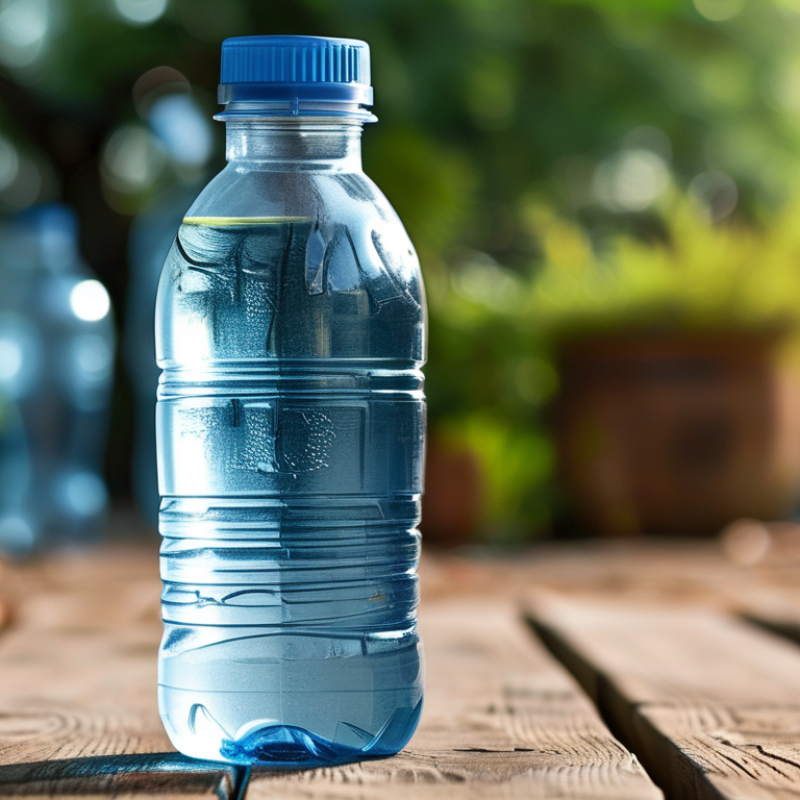
When it comes to plastic bottles, PET is a top choice due to its lightweight nature and remarkable durability. This material allows bottles to be easily transported and stored, reducing the energy needed for shipping. Its resilience means it can withstand impacts without cracking or breaking, ensuring the contents are safe.
Tips for choosing PET bottles: Consider their recycling options. PET is widely accepted in recycling programs, making it an eco-friendly choice. However, always check your local guidelines. Also, be cautious about reusing PET bottles. While they are sturdy, wear and tear can compromise their integrity over time.
In addition, the clarity of PET bottles is a desirable feature. It enhances visibility, making products more appealing to consumers. This can create a stronger connection with the brand. Yet, it raises questions about how much we trust visually appealing products. Transparency isn’t just physical; it should also apply to ingredient sourcing and production practices. Balancing aesthetics with ethical considerations is essential in today's market.
Recycling rates are crucial in assessing the environmental impact of materials like PET and HDPE. Data from the National Association for PET Container Resources reveals that PET bottles have a recycling rate of approximately 29%. This figure highlights ongoing challenges in achieving higher recovery rates. While PET is recyclable, the infrastructure and consumer participation can lag behind.
On the other hand, HDPE has a slightly better recycling rate, around 30%. However, it still faces issues like contamination and improper disposal. A study from the American Chemistry Council indicates that only 58% of HDPE bottles are recycled correctly. This disparity shows the need for improvement in collection systems and public education about proper recycling techniques.
Both materials have a significant role in sustainability, yet flaws exist. Plastic pollution remains a pressing concern. As consumers, we must reflect on our recycling habits. Adequate changes can significantly impact future recycling rates for both PET and HDPE.
In the realm of packaging, PET (Polyethylene Terephthalate) and HDPE (High-Density Polyethylene) have emerged as top choices for plastic bottles. Their compliance with FDA regulations assures consumers of safety. PET is lightweight and has excellent barrier properties, making it suitable for beverages. HDPE, on the other hand, is known for its durability and resistance to impact. Both materials meet stringent safety standards.
When it comes to manufacturing, maintaining safety is paramount. The FDA has established clear guidelines for plastics in contact with food and beverages. PET and HDPE have been researched extensively and deemed safe for public use. However, the challenge lies in the recycling process. Not all facilities can handle these materials properly. This gap in recycling can lead to environmental concerns. It is essential to keep improving recycling technologies to ensure safety and sustainability.
Experts emphasize the importance of using safe materials. Both PET and HDPE have proven their worth in meeting regulatory standards. Yet, there are still areas needing attention. Ongoing studies are necessary to monitor the long-term effects of plastic exposure. Educating the public on proper disposal methods is also crucial. Awareness can help mitigate potential risks associated with plastic waste.
| Material | Chemical Resistance | Recyclability | FDA Compliance | Common Uses |
|---|---|---|---|---|
| PET | High resistance to acids and bases | Widely recycled (#1) | Meets FDA standards for food contact | Beverage bottles, food containers |
| HDPE | Resistant to many solvents and chemicals | Recyclable (#2) | Complies with FDA regulations | Milk jugs, detergent bottles |
| PET | Good barrier to gases and moisture | Efficient recycling process | Approved for long-term food storage | Soft drink bottles, salad dressing containers |
| HDPE | Strong and durable | Easily recyclable into new containers | Certified for safe food contact | Food storage containers, personal care products |
The global demand for PET and HDPE bottles is surging as consumers seek sustainable packaging solutions. In 2026, the trend is influenced by growing environmental awareness. Many businesses are shifting to recyclable materials and promoting eco-friendly practices. This change is vital for reducing plastic waste.
The rise in recycling initiatives enhances PET and HDPE's appeal. Both materials are lightweight and durable, making them ideal for various industries. Yet, challenges remain. The recycling process can be inefficient, leading to contamination issues. Some PET and HDPE products may not be recycled effectively, causing concerns for manufacturers and consumers alike.
As companies refine their production methods, they explore innovative solutions. Advanced technologies are being developed to improve recycling rates. Education on proper recycling practices is essential for consumer participation. Understanding the importance of recycling influences purchasing decisions and shapes market dynamics. The continuation of this trend will further define the landscape of packaging in the coming years.
The economic benefits of using PET and HDPE materials for plastic bottles are significant. These materials
are lightweight, making transportation more efficient. Reduced shipping costs lead to overall lower prices
for consumers. Additionally, PET and HDPE are highly recyclable, encouraging sustainable practices in the
industry. The availability of recycling facilities further supports the use of these materials, creating a
circular economy.
However, challenges exist. Recycling processes can vary by region, leading to inconsistent availability of
recycled materials. This inconsistency can impact production costs and waste reduction goals. Companies
must constantly adapt to these fluctuations. Moreover, while both materials are cost-effective, they are
not without environmental considerations. The production process can contribute to pollution, requiring
ongoing efforts to improve sustainability.
Investing in PET and HDPE can yield long-term financial benefits. Businesses that prioritize these materials
might enjoy increased consumer trust. As more consumers seek eco-friendly options, the demand for
sustainable packaging continues to rise. Companies that navigate the complexities of using PET and HDPE
responsibly will likely find themselves at an advantage.
: PET is lightweight and durable. It is easy to transport and can withstand impacts.
Yes, PET bottles are widely accepted in recycling programs. However, check local guidelines for specifics.
While sturdy, wear and tear can affect their integrity. Exercise caution when reusing them.
Clear PET bottles enhance visibility, making products more appealing. This can strengthen consumer connection.
Yes, both comply with FDA regulations. They have been researched and deemed safe for food and beverages.
Not all recycling facilities can process these materials. This gap can lead to environmental concerns and waste issues.
They are lightweight, reducing transportation costs. Their recyclability supports sustainable practices, driving lower consumer prices.
Yes, production can lead to pollution. Ongoing efforts are needed to improve sustainability in the process.
Investing in these materials can increase consumer trust. Demand for sustainable packaging is rising, offering long-term gains.
Educating the public on proper disposal methods is crucial. Awareness can mitigate potential risks associated with plastic waste.
In exploring "Why are PET and HDPE used for plastic bottles," it becomes clear that these materials offer numerous advantages that cater to both consumer needs and environmental considerations. PET is renowned for its lightweight nature and durability, making it an ideal choice for various beverage products. Its recycling rates are notably high, contributing positively to waste reduction and sustainability efforts. HDPE complements these benefits by also boasting excellent recyclability and a strong safety profile, with both materials adhering to stringent FDA regulations.
Market trends indicate a growing global demand for PET and HDPE bottles as consumer awareness regarding environmental impacts increases. The cost-effectiveness of using these plastics further enhances their appeal to manufacturers, leading to economic benefits that are favorable for the industry. As we move towards 2026, the reliance on PET and HDPE in the packaging sector is expected to continue, driven by their versatility, safety, and sustainability.

Rocket Packaging